Zelenskyy Condemns Trump’s Russian Diesel Deal, Says It Could Fund Putin’s War
Ukrainian President Volodymyr Zelenskyy condemns Donald Trump’s Russian diesel import deal, warning that easing sanctions could strengthen Moscow’s war effort.
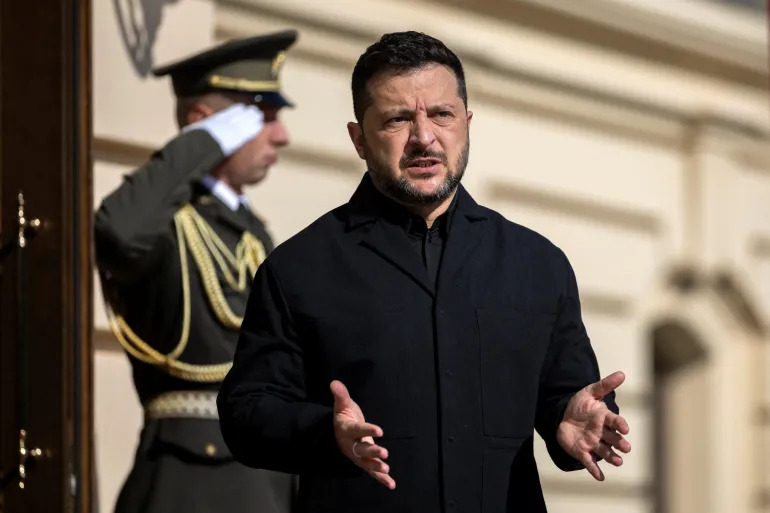
Ukrainian President Volodymyr Zelenskyy has strongly condemned US President Donald Trump’s announcement of a deal to import Russian diesel, warning that the arrangement could provide Moscow with additional revenue to sustain its war against Ukraine.
The agreement, announced by Trump following a telephone conversation with Russian President Vladimir Putin on Friday, October 9, has triggered fresh diplomatic tensions between Washington and Kyiv. It also raises questions about the future of Western sanctions imposed on Russia following its full-scale invasion of Ukraine in February 2022.
Zelenskyy described the decision as a weak move by powerful allies, arguing that allowing Russia to sell petroleum products to American and international markets would undermine efforts to restrict the Kremlin’s ability to finance its military campaign. He warned that additional energy revenue could enable Moscow to prolong hostilities and intensify attacks on Ukrainian territory.
Trump announces multimillion-tonne diesel arrangement
Trump announced the agreement on social media, saying Russia would immediately supply more than 300,000 metric tonnes of diesel to the United States and global markets. He also outlined plans for additional deliveries, including 500,000 tonnes in November, followed by one million tonnes and another three million tonnes within a relatively short period. The US president said the arrangement was intended to increase fuel availability and reduce prices for American consumers, particularly farmers, ranchers and truck operators who depend heavily on diesel.
Diesel prices in the United States have climbed sharply amid international energy-market disruptions. The conflict involving the United States, Israel and Iran has added pressure to global fuel supplies, while the war between Russia and Ukraine has continued to affect energy infrastructure and exports.
Trump's announcement therefore reflects his administration's effort to address domestic fuel-price concerns ahead of the November 3 US midterm elections. However, analysts have questioned whether the proposed Russian supplies would be sufficient to produce a substantial or sustained reduction in American diesel prices.
Zelenskyy says agreement benefits Moscow
Reacting to the announcement, Zelenskyy argued that the deal would strengthen Russia financially at a time when Ukraine and its Western partners were seeking a diplomatic settlement to the war.
The Ukrainian president questioned the timing of the agreement, noting that Ukrainian officials were holding discussions with American representatives about possible ways to end the conflict.He suggested that the negotiations risked being overshadowed by Washington's separate arrangement with Moscow, which he said could provide the Russian government with additional resources to continue its military operations.
Zelenskyy also warned that easing restrictions on Russian petroleum exports could weaken the pressure intended to persuade Putin to end the invasion.
For Kyiv, the dispute is about more than fuel supplies. It concerns whether economic measures imposed against Russia will remain an effective part of the international response to the war. The Ukrainian government maintains that Moscow should face sustained pressure rather than receive new opportunities to generate revenue from energy exports while its military continues operating in Ukraine.
US relaxes sanctions on Russian diesel
The controversy intensified after the US Treasury Department issued a temporary license permitting certain transactions involving Russian-origin diesel. The authorization allows specified shipments to proceed under temporarily relaxed sanctions restrictions. The move represents a significant change in approach, given Washington's previous efforts to limit Russian energy revenues following the invasion of Ukraine.
The United States prohibited Russian oil imports in 2022, seeking to reduce Moscow's earnings from energy exports. Subsequent sanctions targeted Russian energy companies and other sources of revenue associated with the country's war effort. The latest diesel arrangement has consequently raised questions about the consistency of American sanctions policy and the extent to which domestic economic pressures could influence Washington's dealings with Moscow. However, important details surrounding the agreement remain unclear, including the precise payment arrangements, the timing of all proposed deliveries and the ultimate effect on American consumers.
The impact on fuel prices will depend on actual supply volumes, market conditions and whether additional Russian exports increase the overall availability of diesel rather than simply redirect supplies from other buyers.
Trump blames Ukraine for rising fuel prices
The disagreement escalated further on Saturday, October 10, when Trump criticized Zelenskyy and suggested that Ukraine needed a different leader capable of reaching an agreement with Russia. Trump also blamed Ukrainian attacks on Russian energy infrastructure for contributing to fuel shortages and rising diesel prices in the United States
The US president has repeatedly urged Kyiv to stop targeting Russian oil refineries, arguing that such attacks could worsen global energy-market pressures. Ukraine, however, views strikes against Russian energy infrastructure as part of its effort to weaken Moscow's ability to finance and sustain the invasion. Kyiv has also argued that any halt to attacks on energy facilities should be reciprocal, with Russia stopping its own strikes on Ukrainian infrastructure.
The exchange has deepened an already difficult relationship between the two leaders, particularly as American officials continue efforts to negotiate a settlement to the war.
European allies express concern
The agreement has also generated concern among European officials who fear that easing restrictions on Russian fuel exports could undermine the broader sanctions campaign.
Finland's Prime Minister Petteri Orpo was among the European leaders reported to have criticised the arrangement. European governments have generally maintained that limiting Russia's energy earnings is an important part of reducing its capacity to continue the war.
Germany, meanwhile, reaffirmed its support for Ukraine after Trump's call for Zelenskyy's replacement, with German Foreign Minister Johann Wadephul arguing that additional pressure on Russia was needed to encourage renewed peace negotiations.
These reactions highlight the difficulty of maintaining a unified Western strategy when the United States and European partners differ over how to balance energy affordability, sanctions enforcement and diplomatic engagement with Moscow.
Energy deal adds uncertainty to peace efforts
The dispute comes as the war continues to cause casualties and damage to infrastructure in both countries. Russia's invasion remains the central issue behind Western sanctions, while attacks on energy facilities have added another dimension to the conflict.
On Sunday, October 11, Trump announced that Russia and Ukraine had agreed to an “energy ceasefire,” but provided few details about its terms. Neither side immediately confirmed the arrangement, leaving uncertainty over whether it would lead to a sustained reduction in attacks on energy infrastructure. For Zelenskyy, the challenge is ensuring that efforts to stabilise global fuel markets do not weaken Ukraine's position in negotiations or provide Russia with additional resources for its military campaign.
For Trump, the immediate concern is reducing fuel costs for American households and businesses while pursuing a diplomatic settlement.
Whether the diesel agreement can achieve its economic objective without further damaging relations between Washington and Kyiv remains uncertain. What is clear, however, is that the deal has reopened a fundamental debate over the relationship between energy security, economic sanctions and the international effort to end the war in Ukraine.