Zelensky Calls for Direct Face-to-Face Talks with Putin in Rare Open Letter Amid War Stalemate
Ukrainian President Volodymyr Zelensky has proposed direct face-to-face talks with Russian President Vladimir Putin in an open letter, signaling a potential diplomatic shift amid the ongoing Russia-Ukraine war.
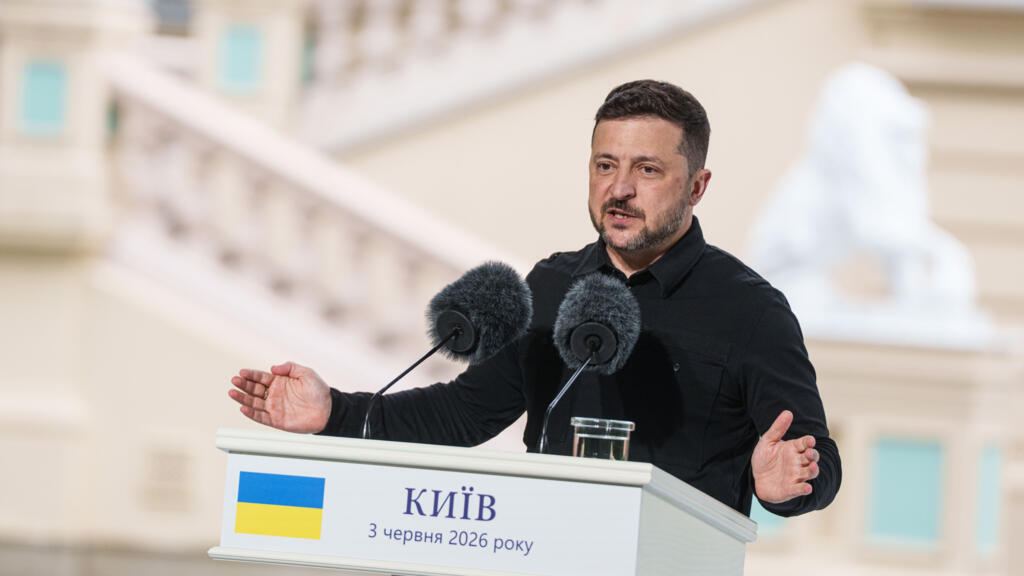
Ukrainian President Volodymyr Zelenskyy has called for direct face-to-face negotiations with Russian President Vladimir Putin in an open letter that signals a renewed push for diplomatic engagement amid the prolonged conflict between Ukraine and Russia.
The proposal comes at a time when battlefield dynamics remain largely entrenched, with both sides continuing to exchange strikes while international pressure mounts for a negotiated settlement.
Zelensky’s appeal, delivered through a public statement framed as an open letter, is being viewed by analysts as a significant diplomatic gesture aimed at breaking the long-standing deadlock in peace negotiations.
Zelensky Pushes for Direct Engagement
In his message, Zelensky emphasized the need for direct dialogue between the two leaders as a necessary step toward ending the war and reducing further human suffering.
He argued that previous indirect negotiations and intermediary-led talks have failed to produce meaningful progress, making direct engagement essential.
The Ukrainian president stressed that a face-to-face meeting would allow both sides to address core issues more effectively and potentially pave the way for a broader peace framework.
While details of the proposed meeting remain unclear, Zelensky’s tone indicated urgency and willingness to explore all diplomatic options.
Kremlin Response Expected Amid Deep Tensions
The Kremlin has not yet issued an official response to the proposal at the time of reporting, but past statements suggest Moscow has remained cautious about direct leader-level talks under current conditions.
Russian officials have repeatedly insisted that any negotiations must reflect “realities on the ground,” a reference to territorial and political demands that remain central to the conflict.
Diplomatic analysts say the absence of an immediate response highlights the continued mistrust between both sides, despite growing international calls for dialogue.
War Enters Prolonged and Exhausting Phase
The war between Ukraine and Russia has now entered a prolonged phase marked by shifting frontlines, heavy artillery exchanges, and increasing reliance on drone and missile warfare.
Civilians on both sides of the conflict continue to bear the brunt of the violence, with infrastructure damage, displacement, and economic disruption worsening over time.
International organizations have repeatedly warned that the humanitarian cost of the war continues to escalate as diplomatic breakthroughs remain elusive.
International Community Reacts Cautiously
Global reactions to Zelensky’s proposal are expected to vary, with Western allies likely to welcome any initiative that could lead to de-escalation.
The United Nations has consistently urged both sides to pursue peaceful negotiations and avoid further escalation.
However, analysts caution that previous attempts at high-level talks have stalled due to fundamental disagreements over territorial control and security guarantees.
Diplomatic observers say that while Zelensky’s proposal is significant, its success will depend heavily on mutual willingness to compromise.
Strategic Timing of the Proposal
Experts believe the timing of Zelensky’s open letter is strategic, potentially aimed at reshaping global perceptions of Ukraine’s diplomatic openness.
By publicly calling for direct talks, Ukraine positions itself as willing to engage in negotiations, placing diplomatic pressure on Russia to respond.
The move may also be intended to strengthen Ukraine’s standing among international allies by demonstrating continued commitment to peace efforts. (Reuters)
Russia’s Conditions Remain Key Barrier
One of the major obstacles to negotiations remains Russia’s insistence on preconditions that Ukraine and its allies have consistently rejected.
Moscow has previously demanded recognition of territorial changes and security arrangements that Kyiv considers unacceptable.
Ukraine, on the other hand, continues to insist on full territorial sovereignty and withdrawal of Russian forces as a basis for any meaningful peace agreement.
These opposing positions have made previous negotiation rounds difficult and often inconclusive.
Humanitarian Pressure Mounts
Humanitarian organizations continue to warn that the ongoing conflict is placing immense strain on civilians, particularly in frontline regions.
Millions of people have been displaced since the start of the war, while infrastructure such as hospitals, schools, and energy systems have suffered repeated damage.
Aid agencies argue that renewed diplomatic engagement is urgently needed to prevent further deterioration of humanitarian conditions.
Military Situation Remains Uncertain
On the battlefield, neither side has achieved a decisive breakthrough, contributing to a prolonged stalemate that has stretched military and economic resources.
Both Ukraine and Russia continue to rely heavily on international support, military aid, and strategic alliances to sustain operations.
Military analysts suggest that the current phase of the conflict may increasingly push both sides toward exploring diplomatic alternatives.
Peace Prospects Still Uncertain
Despite Zelensky’s call for direct talks, the prospects for immediate negotiations remain uncertain.
Past diplomatic efforts have been disrupted by escalating hostilities, lack of trust, and shifting battlefield realities.
However, some observers believe that sustained international pressure and battlefield fatigue could eventually create conditions favorable for dialogue. (BBC News)
Conclusion
President Volodymyr Zelensky’s open call for face-to-face talks with Vladimir Putin represents one of the most direct diplomatic overtures since the escalation of the Russia-Ukraine war.
While significant political and strategic obstacles remain, the proposal underscores growing urgency for renewed negotiations as the conflict continues to exact a heavy toll on both nations and the wider international community.
Whether the initiative leads to meaningful dialogue will depend on the willingness of both sides to bridge deep divisions and engage in sustained diplomatic compromise.