‘You Embarrassed Nigeria’: Rarara and Davido Clash Over FIFA World Cup Performance, Sparking Social Media Storm
A heated exchange has erupted between singer Dauda Kahutu Rarara and Afrobeats star Davido over Nigeria’s absence from the 2026 FIFA World Cup. The verbal spat has ignited widespread debate online as fans weigh in on patriotism, sports advocacy and celebrity influence.
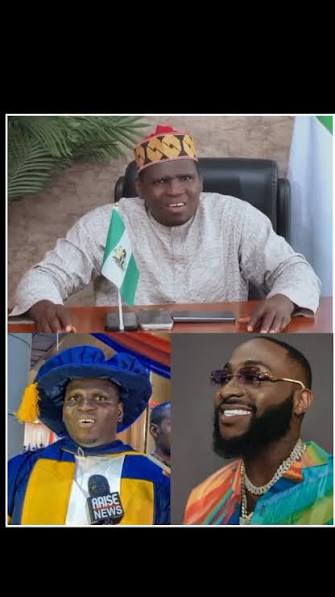
A public war of words between renowned Hausa musician Dauda Kahutu Rarara and Afrobeats superstar Davido has ignited fresh debate across Nigeria after the pair exchanged sharp remarks over the country's failure to qualify for the 2026 FIFA World Cup.
The disagreement, which quickly spread across social media platforms, has drawn reactions from football fans, entertainment enthusiasts and political observers, with many questioning the role celebrities should play in promoting national unity during major sporting events.
The controversy began after Davido publicly lamented Nigeria's absence from the ongoing FIFA World Cup, describing it as a painful moment for millions of football-loving Nigerians. The singer urged greater investment in grassroots football and better administration of the sport, arguing that a country with Nigeria's football pedigree should not be missing from the world's biggest sporting tournament.
His comments resonated with many supporters who have expressed disappointment over the Super Eagles' failure to secure qualification for the expanded 2026 competition.
However, Rarara, known for his politically themed songs and outspoken opinions on national issues, fired back during a public appearance, accusing Davido of contributing to Nigeria's embarrassment rather than offering constructive support.
According to the musician, celebrities should focus on encouraging the national team and promoting patriotism instead of making comments that portray Nigeria negatively before an international audience.
Rarara reportedly declared that Davido had "embarrassed Nigeria" with his remarks, insisting that criticism should be directed privately rather than through highly public social media platforms where millions of people across the world could view them.
His comments immediately generated mixed reactions online.
Supporters of Rarara argued that national figures should be careful not to damage the country's image, especially during international sporting events where patriotism often takes centre stage.
Others, however, defended Davido's position, insisting that constructive criticism is necessary if Nigeria hopes to restore its reputation as one of Africa's football powerhouses.
Davido did not allow the criticism to go unanswered.
In a response shared through his social media platforms, the Grammy-nominated singer rejected suggestions that he had disrespected Nigeria, insisting that his comments reflected the frustration of millions of football supporters.
He maintained that expressing disappointment over Nigeria's absence from the World Cup was not unpatriotic but rather an honest reflection of the country's declining football fortunes.
The singer stressed that Nigerians have every right to demand accountability from football administrators, especially after years of underwhelming performances in international competitions.
His response further intensified the online debate, with thousands of users reposting clips of both entertainers and sharing differing opinions under trending hashtags.
Sports analysts say the exchange reflects the emotional attachment Nigerians have to football.
For decades, the Super Eagles have been among Africa's most celebrated national teams, qualifying for multiple FIFA World Cups and winning the Africa Cup of Nations on several occasions.
Missing out on the 2026 tournament has therefore been viewed by many supporters as a national disappointment, prompting renewed calls for reforms within the Nigeria Football Federation (NFF).
The expanded 48-team FIFA World Cup was expected to improve Africa's qualification opportunities, making Nigeria's failure to secure one of the available slots even more disappointing for fans.
Football commentators argue that the country's inconsistent qualifying campaign, administrative challenges and poor results ultimately contributed to its absence from the tournament.
Against this backdrop, Davido's comments found support among many football enthusiasts who believe influential public figures should use their platforms to demand better governance within Nigerian football.
Others, however, agreed with Rarara that national conversations should be framed in ways that inspire confidence rather than deepen public frustration.
The disagreement has also highlighted the growing influence of celebrities in shaping public discourse beyond entertainment.
Both Davido and Rarara command enormous followings across different regions of Nigeria, meaning their opinions often spark national conversations that extend into politics, sports and governance.
Media analysts note that celebrity interventions increasingly influence public debates, particularly among younger Nigerians who consume much of their news through social media.
Within hours of the exchange, hashtags related to both entertainers began trending across X, Facebook and TikTok, with fans producing videos, memes and commentary supporting either side of the argument.
Some users argued that patriotism should not prevent citizens from speaking honestly about institutional failures, while others maintained that public criticism should always be balanced with national pride.
Despite the heated rhetoric, several sports administrators have urged Nigerians to focus on rebuilding the country's football system rather than engaging in personal attacks.
Former football officials and analysts say investment in youth development, improved coaching structures and stronger football administration remain the long-term solutions to restoring Nigeria's place among the world's elite football nations.
As the 2026 FIFA World Cup continues without the Super Eagles, the exchange between Davido and Rarara serves as another reminder of the passion Nigerians have for football and the powerful role celebrities play in shaping national conversations.
Whether viewed as constructive criticism or unnecessary public condemnation, the debate has once again placed the spotlight on the future of Nigerian football.
For many supporters, the real challenge lies not in deciding who won the verbal exchange, but in ensuring that Nigeria returns stronger and more competitive in future international tournaments. (Punchng)