Yemeni Forces Retreat as Houthis Take Control of Key Red Sea Coast, Raising Fears for Global Shipping
Saudi-backed Yemeni forces have withdrawn from the strategic Bab al-Mandeb Strait, leaving Iran-aligned Houthi rebels with greater control of the vital Red Sea shipping corridor and raising concerns over global trade, oil supplies and regional security.
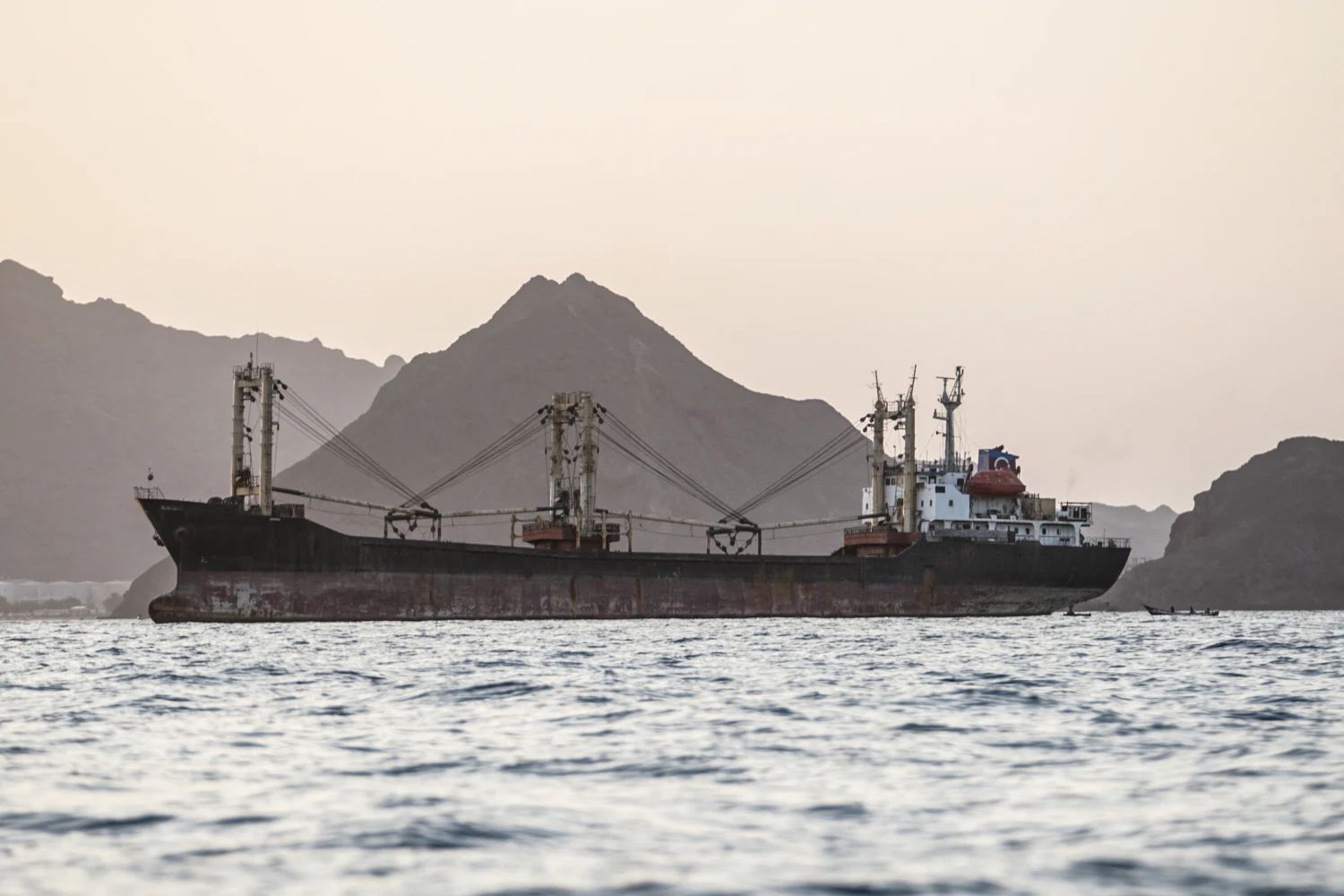
Yemen's fragile security situation has taken another significant turn after Saudi-backed government forces announced their withdrawal from areas overlooking the strategic Bab al-Mandeb Strait, leaving the Iran-aligned Houthi movement with greater control over one of the world's most important maritime gateways.
The withdrawal, announced on Sunday, November 15, 2026, represents a major setback for the internationally recognised Yemeni government and its regional allies, who had been attempting to recapture the coastal territory from Houthi fighters.
The Southern Armed Forces, the principal military formation fighting alongside the internationally recognised government in southern Yemen, confirmed that troops were being redeployed from Dhubab Airport and the Bab al-Mandeb area towards Aden.
The military said the decision was necessary to strengthen defensive positions around Aden, the temporary headquarters of Yemen's internationally recognised government, and protect neighbouring governorates against growing Houthi pressure.
However, the withdrawal has raised serious concerns about the security of international shipping, particularly because the Bab al-Mandeb Strait connects the Red Sea to the Gulf of Aden and serves as a critical passage for commercial vessels travelling between Asia and Europe.
The development also comes amid wider regional tensions involving Iran, Saudi Arabia and the United States, with attacks on energy infrastructure and disruptions to other major maritime routes increasing uncertainty across international markets.
The withdrawal effectively brings an end to a six-week counteroffensive launched by government forces in October to recover strategic coastal positions captured by the Houthis.
The Houthi movement subsequently reported taking control of the territory abandoned by the government forces (Reuters)
Why Yemeni forces abandoned the strategic coastline
The Southern Armed Forces explained that the redeployment was necessary to address growing security threats around Aden and other government-controlled areas.
In its statement, the military said the decision was taken to prioritise the protection of the interim capital, reinforce existing frontlines and respond to emerging threats.
The withdrawal followed increased Houthi military activity around Taiz, where government forces have faced considerable pressure.
The Houthis had captured important positions along Yemen's western coastline in September, including areas around Dhubab and the strategically important port city of Mokha.
Government forces launched a counteroffensive in October, claiming progress in recovering territory and securing access to the maritime corridor.
However, the worsening situation around Taiz weakened the campaign, forcing the government-aligned forces to reconsider their military priorities.
Military sources told Reuters that troops had moved towards al-Suqyah, south of Dhubab, while continuing efforts to push Houthi fighters away from nearby coastal positions.
The withdrawal has therefore created an opportunity for the Houthis to consolidate their influence over the southern entrance to the Red Sea.
It also raises concerns that the movement could intensify its military pressure towards Aden, where Yemen's internationally recognised government operates.
Bab al-Mandeb: Why the Red Sea waterway matters to global trade
The Bab al-Mandeb Strait is one of the world's most strategically important maritime passages, connecting the Red Sea with the Gulf of Aden and the wider Indian Ocean.
It serves as a major shipping corridor for vessels travelling between Asia and Europe through the Suez Canal, making it particularly important for international trade, oil transportation and global supply chains.
The narrow waterway is located between Yemen on the Arabian Peninsula and Djibouti and Eritrea in the Horn of Africa.
Its strategic importance means that whoever controls or threatens the surrounding coastline can potentially influence maritime security and commercial shipping operations.
The latest Houthi gains are therefore raising concerns among shipping companies, energy traders and governments that depend on uninterrupted access to the Red Sea.
The situation is particularly sensitive because of simultaneous disruptions around the Strait of Hormuz, another vital maritime route through which substantial quantities of global oil supplies are transported.
With Iran and its regional allies increasing pressure on shipping and energy infrastructure, the possibility of simultaneous disruptions at both maritime gateways presents significant risks to international commerce.
Reuters reported that the combined pressure could further isolate Gulf oil producers from important export routes.
Saudi Arabia faces growing pressure from Houthi advances
The withdrawal represents a setback for Saudi Arabia, which has supported Yemen's internationally recognised government in its prolonged conflict against the Houthis.
The movement has increasingly targeted Saudi infrastructure, including airports, ports and facilities belonging to state-owned oil company Saudi Aramco.
One of the important facilities affected by the wider confrontation is Yanbu, Saudi Arabia's Red Sea oil export hub.
The attacks have disrupted flights and raised concerns about the security of the kingdom's energy infrastructure.
Saudi Arabia has responded with airstrikes against Houthi positions in Yemen, further intensifying the regional confrontation.
The developments also illustrate the difficulties facing Riyadh as it attempts to protect its security interests while preventing the conflict from expanding further.
For Saudi Arabia, maintaining secure maritime routes is particularly important because of the strategic role of oil exports in its economy.
The latest withdrawal could therefore complicate efforts to protect the Red Sea coastline and prevent further Houthi advances towards Aden.
Humanitarian crisis worsens as fighting intensifies around Taiz
Beyond the geopolitical and economic implications, the renewed fighting is worsening an already severe humanitarian crisis in Yemen.
The western region of Taiz has become one of the most intense battlefronts, with government forces and Houthi fighters contesting strategic positions.
The city remains besieged, preventing the movement of civilians and restricting the delivery of humanitarian assistance.
Approximately half of the 300,000 people displaced by the latest fighting across Yemen are sheltering in Taiz.
The inability of humanitarian organisations to deliver supplies has increased concerns about food shortages, medical emergencies and the safety of vulnerable residents.
The United Nations has also warned about the civilian consequences of the escalating conflict.
UN human rights spokesperson Ravina Shamdasani called on all parties to protect civilians and civilian infrastructure, noting that women and children accounted for more than 60 per cent of documented civilian casualties since the escalation of fighting in August.
The International Committee of the Red Cross also reported that the Houthis had released 600 prisoners on Sunday, November 15.
However, the prisoner release has not changed the broader security situation, as fighting continues across several parts of the country.
International implications and the risk to shipping
The latest developments have revived concerns about the possibility of another prolonged disruption to Red Sea shipping.
Since late 2023, Houthi attacks on commercial vessels have already forced several international shipping companies to divert vessels away from the Red Sea and around the Cape of Good Hope in southern Africa.
Such diversions increase transportation distances, fuel consumption, insurance premiums and delivery costs.
A further deterioration in security around Bab al-Mandeb could make international shipping even more expensive and unpredictable.
Countries in Europe and Asia that depend on goods transported through the Suez Canal could experience additional supply-chain pressures.
Oil-importing countries could also face higher energy costs if maritime insecurity contributes to sustained increases in shipping and insurance expenses.
However, the latest territorial developments do not automatically mean that the Bab al-Mandeb Strait has been formally closed to international shipping. The immediate concern is the increased military leverage available to the Houthis and the possibility of further attacks.
Conclusion: Yemen's conflict threatens wider regional stability
The withdrawal of Saudi-backed Yemeni forces from the Bab al-Mandeb area represents a significant development in the country's prolonged civil war and a setback for efforts to secure the southern entrance to the Red Sea.
By gaining greater influence over strategic coastal positions, the Houthis have strengthened their ability to pressure the internationally recognised government and potentially disrupt one of the world's most important maritime trade corridors.
For Saudi Arabia, the development creates additional security challenges. For international shipping companies, it introduces further uncertainty. For ordinary Yemenis, it means continued fighting, displacement and worsening humanitarian conditions.
The international community now faces the challenge of preventing the conflict from escalating into a wider regional crisis.
Ultimately, the security of the Bab al-Mandeb Strait extends far beyond Yemen. Its stability is essential to global commerce, energy transportation and the uninterrupted movement of goods between continents.