Yemen’s Houthis Seize Strategic Red Sea Port of Mokha, Raising Threat to Global Shipping
Yemen’s Houthis have seized the strategic Red Sea port city of Mokha, expanding their control near Bab el-Mandeb and raising fresh fears over global shipping and oil supplies.
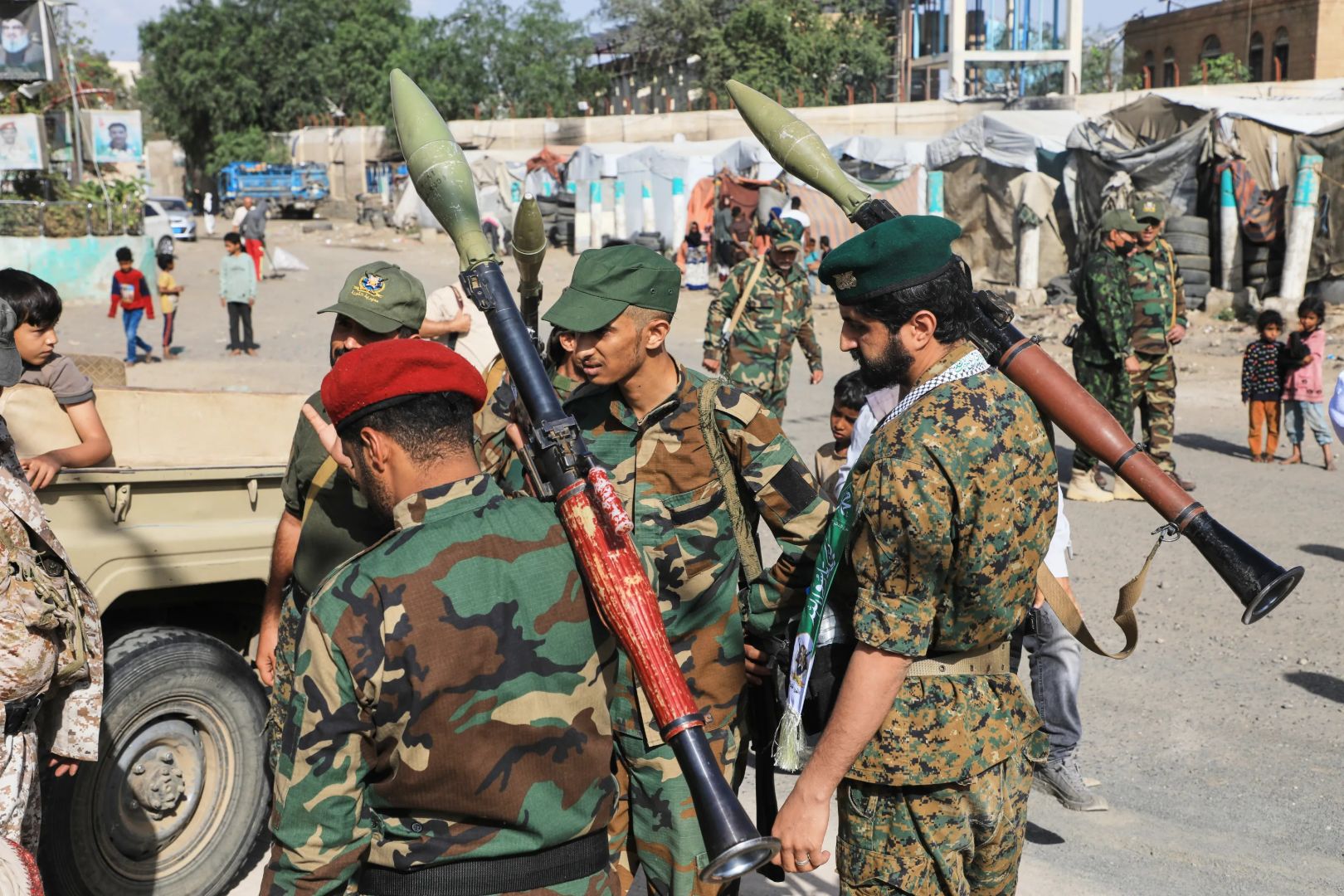
Iran-backed Houthi forces have seized the strategic Yemeni port city of Mokha, expanding their territorial control along the Red Sea coast and bringing the group significantly closer to the vital Bab el-Mandeb maritime chokepoint.
The takeover, confirmed on Thursday, September 10, marks one of the Houthis’ most important territorial gains since a United Nations-backed ceasefire sharply reduced fighting in Yemen in 2022. It also threatens to reignite a wider civil war while creating fresh risks for international shipping and global energy markets. (AP News)
Mokha, also spelled Mocha, is located about 80 kilometres from the Bab el-Mandeb Strait, the narrow waterway linking the Red Sea with the Gulf of Aden. The strait is one of the world's most important trade routes, making the Houthi capture significant far beyond Yemen's borders. (DW News)
Houthis Capture Mokha After Government Withdrawal
Houthi forces moved into Mokha after heavy fighting with forces aligned with Yemen's internationally recognised government.
Three Yemeni government sources confirmed to Reuters that the city had fallen, while the Associated Press also reported confirmation from a commander with the government-aligned National Resistance Forces and a member of the Houthi political bureau. (Al Jazeera)
Government forces reportedly withdrew from the city and began regrouping farther south.
The head of Yemen's Presidential Leadership Council, Rashad al-Alimi, described developments around Mokha and Bab el-Mandeb as a matter extending beyond Yemen, warning of the implications for regional and international trade.
The loss represents a major setback for Saudi-backed forces that had maintained positions along Yemen's western coastline.
Why Mokha Is Strategically Important
Mokha's importance comes largely from its location.
The historic port sits close to the Bab el-Mandeb Strait, which connects the Red Sea to the Gulf of Aden and provides the maritime gateway toward the Suez Canal.
Approximately 12% of global trade normally passes through the Bab el-Mandeb, according to reporting based on energy and shipping data. The route is particularly important for oil and other commodities travelling between the Middle East, Asia and Europe. (wplg)
The strait has become even more strategically important because shipping through the nearby Strait of Hormuz has been severely disrupted during the current U.S.-Iran conflict.
That means Bab el-Mandeb has become an increasingly important alternative route for energy shipments.
The Houthi capture of Mokha therefore creates concern that two of the world's most important maritime chokepoints could face simultaneous pressure.
Houthis Move Closer to Bab el-Mandeb
The capture of Mokha is reportedly part of a broader Houthi offensive along Yemen's western coast.
The group has also made advances toward the Hanish Islands and Dhubab, areas much closer to the Bab el-Mandeb Strait. (The Guardian)
Analysts say the territorial gains could give the Houthis greater ability to monitor and potentially threaten maritime traffic.
Defence analyst Wolfgang Pusztai told Al Jazeera that control of the area could allow the Houthis to exert pressure on shipping without necessarily relying exclusively on long-range missiles or drones, because some parts of the strait are within range of coastal weapons.
However, control of Mokha does not automatically mean the Houthis control the Bab el-Mandeb Strait. The strategic significance lies in the group's growing proximity to the waterway and its ability to threaten shipping from nearby territory.
Iran's Role Comes Under Scrutiny
The offensive has also intensified questions about Iran's support for the Houthis.
Reuters reported that Iranian arms and military advice played an important role in enabling the Houthi advance, with sources saying members of Iran's Islamic Revolutionary Guard Corps helped guide the operation. Tehran has denied directly controlling Houthi military operations. (Reuters)
Iran has provided the Houthis with weapons and other support over several years, while the Houthis maintain that their movement is fighting for Yemeni interests.
The latest offensive nevertheless reinforces concerns in Saudi Arabia and the United States that Tehran is using its relationship with the Houthis to expand pressure on strategic maritime routes.
The development is particularly significant because Iran is already confronting the United States over the Strait of Hormuz.
Global Shipping Faces Fresh Risks
The Houthi takeover comes after years of attacks on commercial shipping in the Red Sea.
Those attacks previously forced many international shipping companies to divert vessels around the Cape of Good Hope, substantially increasing travel times and transportation costs between Asia and Europe.
The latest territorial gains could make shipping companies even more reluctant to resume normal Red Sea operations.
Although Houthi spokesman Mohammed Abdul Salam said international navigation in the Red Sea and Bab el-Mandeb would remain safe and uninterrupted, the group has maintained restrictions against Saudi-linked vessels.
For shipping companies, the question is therefore not only whether a vessel will be attacked but also whether the perceived risk is high enough to make the route commercially unattractive.
Oil Prices Rise Above $100
Financial markets have already reacted to the escalation.
Brent crude climbed sharply, with the Financial Times reporting prices reaching around $105 a barrel following the Houthi capture of Mokha. (Financial Times)
Other market reports indicated Brent moving even higher as concerns about disruptions to both Hormuz and Bab el-Mandeb intensified.
The combination of instability around the two waterways has created fears of a major energy-supply shock.
Higher oil prices could translate into increased fuel, transportation and production costs around the world. Countries heavily dependent on imported energy could face particular pressure if the disruptions persist.
Saudi Arabia Responds
Saudi Arabia has already responded militarily to the Houthi advance.
Saudi aircraft reportedly launched strikes against positions in and around Mokha, including the city's airport.
The escalation follows Houthi missile and drone attacks against Saudi territory, with at least 73 people reportedly injured in attacks on Saudi cities and energy-related infrastructure. Saudi-led forces subsequently intensified airstrikes against Houthi positions. (The National)
The developments raise the possibility of a broader Saudi-Houthi confrontation.
Riyadh must balance the need to prevent the Houthis from gaining control over the approaches to Bab el-Mandeb against the risk that a major military intervention could trigger further attacks against Saudi territory.
Yemen Faces Risk of Renewed Civil War
The territorial advance has also raised fears that Yemen's fragile peace process could collapse completely.
The country has experienced more than a decade of devastating conflict, with the 2022 ceasefire producing a significant reduction in large-scale fighting even though no permanent political settlement was reached.
Recent fighting has been among the most intense in years, with hundreds of casualties reported in the latest escalation.
The capture of Mokha could encourage the Houthis to pursue further territorial gains while weakening the position of government forces.
That could make future peace negotiations considerably more difficult.
Humanitarian Concerns Grow
The renewed fighting is also affecting civilians.
Residents have reportedly fled areas affected by the latest offensive, while markets and businesses in Mokha have been disrupted. The Associated Press reported civilian displacement as Houthi forces consolidated their position in the city.
A return to sustained conflict would add to Yemen's already severe humanitarian crisis, where millions remain dependent on humanitarian assistance.
A New Strategic Pressure Point
The seizure of Mokha has transformed the strategic situation along Yemen's Red Sea coastline.
The Houthis now have a stronger position near one of the world's most important shipping routes, while their advance toward Dhubab and nearby islands could bring them even closer to Bab el-Mandeb.
For global markets, the development is particularly worrying because it coincides with the continuing disruption around the Strait of Hormuz.
If both maritime chokepoints remain under serious pressure, the consequences could extend well beyond Yemen and the Middle East, affecting global oil prices, shipping costs, supply chains and inflation.
The immediate question is whether the Houthis will consolidate their gains or continue moving south toward Bab el-Mandeb.
For now, the capture of Mokha represents a major military and geopolitical victory for the Houthis and a serious new challenge for Yemen, Saudi Arabia and international shipping.