World Malaria Day 2026: Why the Fight Against Malaria Matters and the Keys to Ending the Disease
World Malaria Day 2026 highlights urgent global efforts to defeat malaria. Discover the theme, latest statistics, challenges, and key solutions needed to end the disease for good.
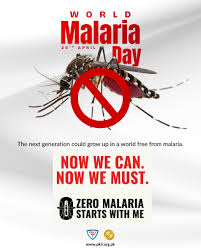
Every year on April 25, countries around the world mark World Malaria Day, a global health observance dedicated to raising awareness about one of humanity’s oldest and deadliest diseases. In 2026, the message is clearer and more urgent than ever: malaria can be defeated, but only if nations act decisively now.
The World Health Organization (WHO) has chosen the 2026 theme: “Driven to End Malaria: Now We Can. Now We Must.” The campaign reflects growing optimism that scientific progress has brought the world closer than ever to eliminating malaria, while also warning that delayed action could reverse years of gains. (World Health Organization)
What Is Malaria?
Malaria is a life-threatening disease caused by parasites transmitted through the bites of infected female Anopheles mosquitoes. It remains widespread in tropical and subtropical regions, particularly across sub-Saharan Africa, where most global cases and deaths occur.
Symptoms often begin with fever, chills, headache, body aches, and fatigue. Without prompt diagnosis and treatment, malaria can progress rapidly, causing severe illness, organ failure, and death.
Children under five years old and pregnant women remain among the most vulnerable groups.
Why World Malaria Day Matters
World Malaria Day was established by WHO Member States during the 2007 World Health Assembly. It serves as a reminder that malaria is preventable and treatable, yet still kills hundreds of thousands each year.
The annual observance aims to:
- Raise awareness about malaria prevention and treatment
- Encourage political commitment and funding
- Highlight scientific breakthroughs
- Support countries working toward elimination
- Mobilize communities to take action
This year’s campaign comes at a critical moment. WHO says the possibility of ending malaria in our lifetime is now real because of new vaccines, treatments, improved mosquito-control tools, and advanced technologies. (World Health Organization)
Global Progress Against Malaria
The fight against malaria has produced remarkable results over the past two decades.
According to the WHO, since 2000:
- 2.3 billion malaria cases have been averted
- 14 million deaths have been prevented
- 47 countries have now been certified malaria-free
Additionally, 37 countries reported fewer than 1,000 malaria cases in 2024, showing that elimination is achievable even in historically affected regions.
Several countries in Asia and the Greater Mekong Subregion have dramatically reduced infections despite long-standing drug resistance, demonstrating that determined strategies can succeed.
The Ongoing Challenge
Despite progress, malaria remains a major global health threat.
WHO estimates there were 282 million malaria cases in 2024, leading to 610,000 deaths. Most fatalities occurred in Africa, with children accounting for a large share of the deaths.
Experts warn that malaria can rebound quickly when prevention programs weaken or funding declines. This has happened in several countries where gains were lost after mosquito net distribution slowed or health systems were disrupted.
Climate change, conflict, displacement, and fragile healthcare systems are also increasing the risk of outbreaks in vulnerable regions.
Key to Ending Malaria: What Must Happen Now
1. Expand Access to Vaccines: One of the most promising developments in recent years is the rollout of malaria vaccines for children. WHO says 25 countries are already introducing vaccines capable of protecting around 10 million children annually.
Wider access to vaccines could significantly reduce child deaths in high-burden countries.
2. Improve Mosquito Control: Mosquito nets remain one of the most effective tools against malaria. WHO reports that next-generation insecticide-treated nets now make up 84% of all newly distributed nets.
Indoor spraying, drainage of stagnant water, and community sanitation campaigns are also essential.
3. Strengthen Early Diagnosis and Treatment: Fast testing and treatment save lives. Delayed diagnosis often allows malaria to become severe, especially in children. Health experts continue to stress the importance of recognizing symptoms early and seeking medical help quickly.
4. Invest in Research and Innovation: Scientists are developing better treatments, long-acting injectable medicines, genetic mosquito-control technologies, and more accurate diagnostic tools.
WHO recently approved the first malaria treatment designed specifically for newborns and young infants, filling a long-standing medical gap. (The Times of India)
5. Increase Political Commitment and Funding: Experts consistently warn that the greatest obstacle is no longer scientific possibility, it is inadequate financing and inconsistent leadership.
Governments, donors, and private-sector partners must sustain investment if elimination goals are to be reached.
Nigeria and Africa’s Central Role
For countries like Nigeria, which carry one of the highest malaria burdens globally, World Malaria Day carries special importance. Malaria affects household incomes, school attendance, maternal health, and national productivity.
Reducing malaria in Africa is essential to global eradication. Success in Nigeria alone would dramatically reshape worldwide statistics.
A Moment of Opportunity
World Malaria Day 2026 is more than a symbolic event. It is a call to seize a rare opportunity. For the first time in history, the tools needed to defeat malaria are within reach.
But malaria will not disappear on its own.
As WHO’s 2026 theme declares: Now we can. Now we must. Governments must fund programs, communities must embrace prevention, and health systems must ensure no child dies from a disease that can be stopped.
The world has knowledge. It has the tools. What remains is the will to finish the job.