Wole Soyinka, Washington, and the Politics of Dissent
Wole Soyinka’s U.S. visa controversy sparks global debate on free speech, Africa’s intellectual dignity, and the reputation of the Nobel Laureate institution
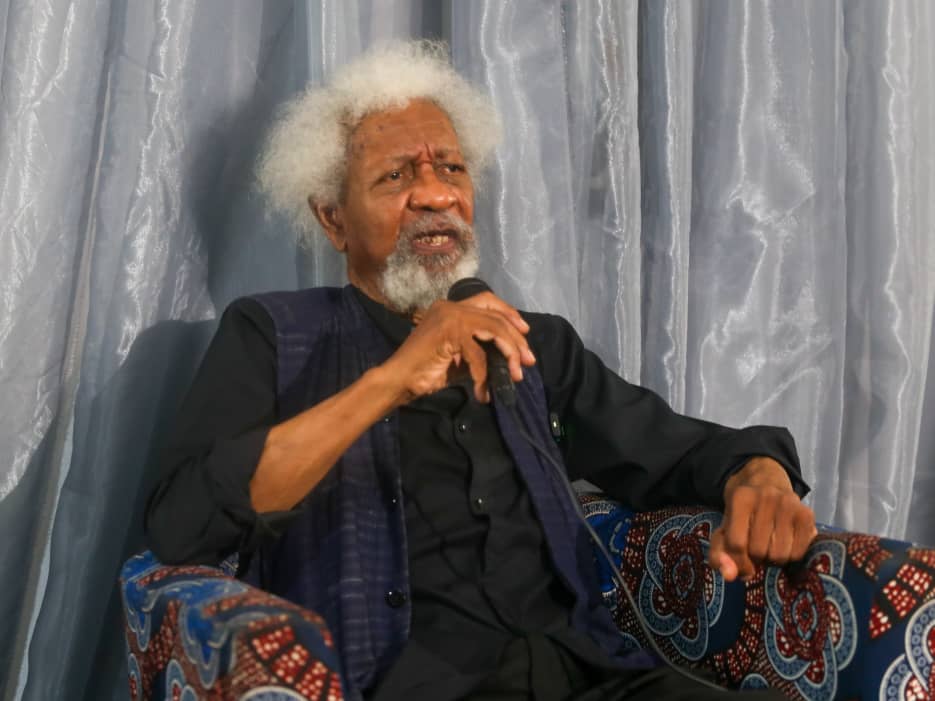
When news broke that Nobel Laureate Wole Soyinka had his U.S. visa revoked -accompanied by widespread, unverified online claims that he had been labeled a national security threat - it set off a storm of political debate across Africa. Whether these allegations prove factual or exaggerated, the symbolism is undeniable: When a continent’s most decorated literary icon faces restrictions from a global superpower, the world takes notice.The situation raises probing questions beyond Soyinka himself. What does it mean for the reputation of the Nobel Prize institution? What message does it send to Africans, particularly Nigerians? And what does it reveal about the tightening intersection between state power and public criticism in today’s geopolitical climate?
Soyinka’s Legacy as a Voice Against Power
Soyinka has been many things - playwright, rebel, exile, academic, philosopher - but never silent.
His Nobel Prize in Literature (1986) enshrined that identity, recognizing a writer who has spent his life confronting dictatorship and injustice, whether in Nigeria during the military era or on the international stage.
For the world’s only African Literature Laureate, to be seen - even speculatively - as a destabilizing figure in the U.S. is a paradox that highlights his lifelong burden: truth-tellers rarely comfort those in power.
U.S.–Nigeria Relations Caught in the Crossfire
If an American decision-maker truly views Soyinka as a threat, it opens sensitive diplomatic questions like if political criticism now a risk to visa status? Where is the line between activism and threat? Could this set precedent for future treatment of African intellectuals?
Nigeria, Africa’s largest democracy and economy, sees Soyinka not merely as an artist but as a national cultural asset. Any perceived disrespect toward him resonates as disrespect toward the nation.
Implications for Africa’s Global Standing
Africa has only one Nobel Laureate in Literature. His treatment is symbolic of how African intellectual authority is valued or diminished globally. Against this background, three implications emerge:
Soft Power Impact: African nations gain cultural legitimacy through figures like Soyinka. Restrictions or political targeting can weaken Africa’s influence in global discourse.
The Intellectual Double Standard: Western dissidents are hailed as heroes. African dissidents abroad often face suspicion - even when their dissent aligns with democratic ideals.
A Message to the Continent’s Youth: If the world’s most honored African writer can be muted, what hope exists for younger voices challenging power?
Nigerians React: Pride, Anger, and Uncertainty
In Nigeria, the alleged U.S. stance triggered mixed emotions: Pride, because Soyinka has remained unwavering, Resentment, toward perceived disrespect, and Fear, that political criticism now carries international consequences.
Nigeria’s creative and academic communities are watching closely. If global systems can sideline even Soyinka, they wonder: Who is safe?
A Lagos-based cultural critic noted: “When you silence a Nobel Laureate, you shrink space for African thought everywhere.”
Free Speech or National Security? A Global Debate
International observers view the situation as part of a larger trend:
- Populist governments increasingly weaponize immigration rules
- Critics become “security threats”
- Dissent is cast as disloyalty
Soyinka has long warned that democracies can slide silently into authoritarian behavior. Ironically, his own predicament now illustrates the very thing he has written about for decades.
The Nobel Institution’s Image at Risk?
The Nobel Prize in Literature is meant to signal that a writer’s ideas enrich humanity.
So what happens when the West celebrates his genius, but is uncomfortable with his opinions? It creates moral tension:
Is the Nobel Prize only welcome when laureates behave?
Do politics outrank principle?
The Nobel Committee has not issued a statement - but pressure is building. Silence may be interpreted as complicity in the marginalization of African intellectual achievement.
The Unverified Claims
While the visa revocation was publicly acknowledged by Soyinka, other specific allegations - such as a classified national security designation and “life ban” status – remain unconfirmed.
what is verifiable:
- The U.S. has increasingly used immigration tools to control political narratives
- Soyinka has frequently criticized U.S. leadership, including Trump
- Diplomacy is fragile in an era where culture and politics collide
Fact vs. fear must remain separated - but perception already has global consequences.
A New Act in Soyinka’s Eternal Battle
Whether this episode is political punishment, bureaucratic overreach, or media distortion, Soyinka now stands at another crossroads of history. He has outlived dictators, imprisonment, exile, and assassination attempts. A visa revocation may inconvenience him, but it cannot silence him.
Africa’s literary lion remains defiant: “If you want to see me, you know where to find me.”
And the world is indeed watching.