Wildfires Ravage France and Spain: Tens of Thousands Evacuated from French Tourist Hotspot and Areas Near Madrid
Tens of thousands of residents and tourists have been evacuated from France's Cap Ferret peninsula and areas near Madrid as fast-moving wildfires spread across southern Europe. Authorities have declared emergencies as firefighters battle extreme heat, strong winds and rapidly advancing flames.
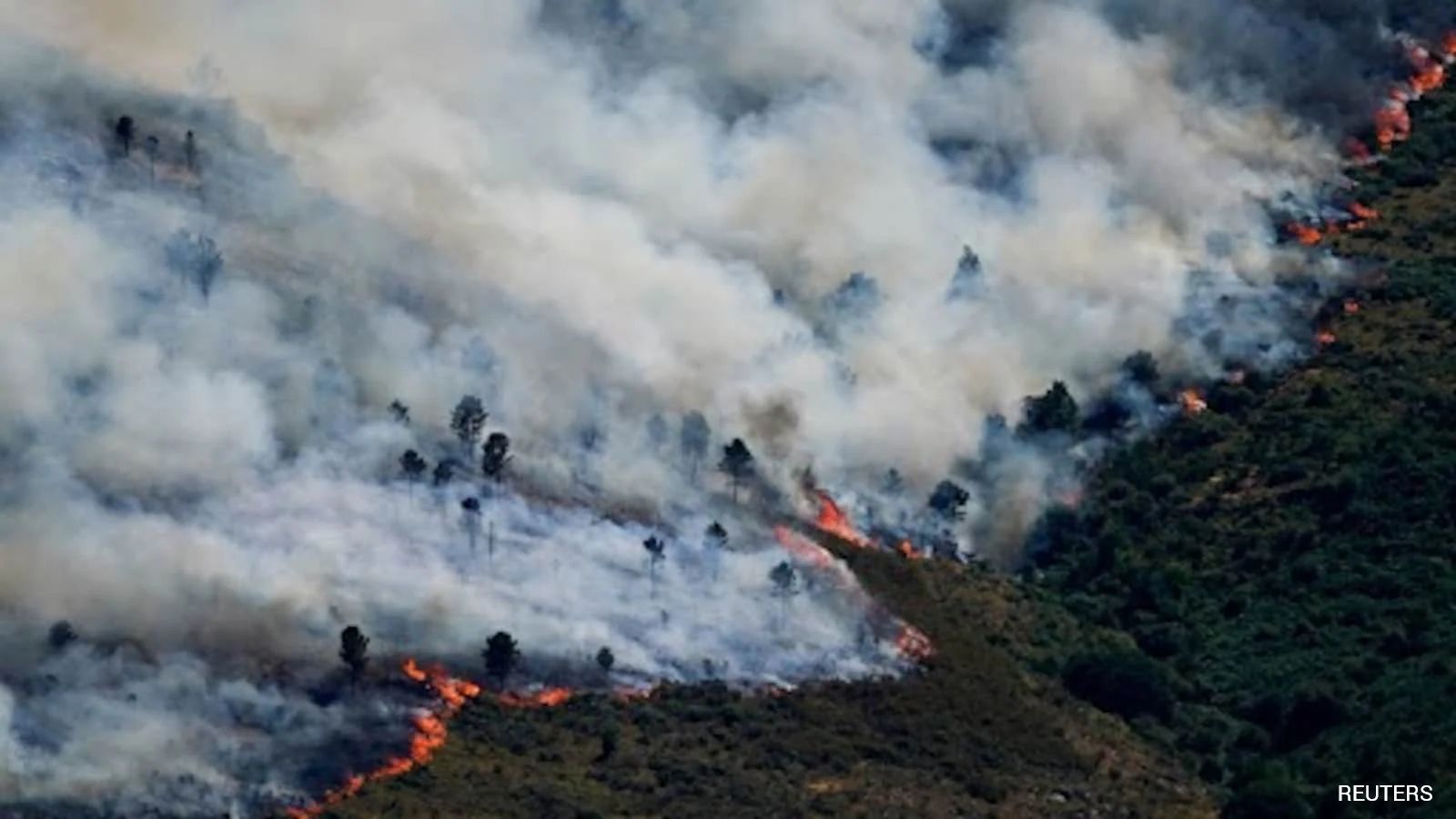
Tens of thousands of people have been forced to flee their homes and holiday accommodations as massive wildfires swept through southwestern France and central Spain, prompting one of the largest emergency evacuations of the European summer.
Authorities in both countries have mobilised thousands of firefighters, aircraft and emergency personnel to battle multiple blazes fueled by scorching temperatures, prolonged drought and strong winds, conditions that experts say are becoming increasingly common across southern Europe.
In France, officials ordered the complete evacuation of the popular Cap Ferret peninsula, a renowned Atlantic tourist destination near Bordeaux, while Spain declared its first-ever national wildfire emergency after fires merged in the Madrid region and spread toward neighbouring Ávila province. (Reuters)
French Tourist Destination Emptied
French authorities ordered the evacuation of the Cap Ferret peninsula after rapidly advancing flames threatened homes, campsites, hotels and holiday resorts.
The peninsula, famous for its beaches, seafood restaurants and luxury holiday homes, is one of France's busiest summer tourist destinations.
Officials estimated that more than 60,000 people, including residents and tourists, were evacuated from Cap Ferret and surrounding areas. Many escaped by road, while hundreds were transported across Arcachon Bay by boats after highways became congested or inaccessible due to the fire.
Emergency services described the evacuation as one of the largest undertaken in the Gironde region in recent years.
The wildfire has already consumed thousands of hectares of forest, destroyed dozens of homes and forced the closure of several roads leading to the peninsula.
Firefighters Battle Intense Blaze
More than 800 firefighters, supported by water-bombing aircraft and helicopters, have been deployed to contain the French wildfire.
Officials said the blaze remains unstable because of changing wind conditions and extremely dry vegetation.
France also requested assistance through the European Union Civil Protection Mechanism, enabling neighbouring countries to provide additional firefighting aircraft and technical support.
Authorities warned that high temperatures expected over the coming days could further complicate containment efforts. (The Guardian)
Spain Declares National Wildfire Emergency
Across the border, Spain declared a national emergency after multiple wildfires near Madrid merged into a larger and more dangerous fire front.
The emergency marks the first time Spain has invoked a nationwide wildfire emergency, underscoring the severity of the situation.
More than 19,000 people were evacuated from communities in the Madrid region and nearby Ávila province as flames advanced toward populated areas.
Authorities said more than 2,000 emergency responders, supported by aircraft and military personnel, were deployed to halt the fires before they reached additional communities.
Extreme Heat Driving the Crisis
Meteorologists attribute the rapid spread of the fires to an intense heatwave affecting much of southern Europe.
Temperatures exceeding 40 degrees Celsius in several regions, combined with strong winds and prolonged drought, have created ideal conditions for fast-moving wildfires.
Climate scientists note that hotter summers and longer dry seasons are increasing both the frequency and intensity of wildfires across Mediterranean countries.
While no single wildfire can be directly attributed to climate change, researchers say rising global temperatures have significantly increased fire risks throughout southern Europe.
Residents and Tourists Escape by Boat
One of the most dramatic scenes unfolded in Cap Ferret, where hundreds of residents and holidaymakers boarded boats to escape the advancing flames.
Authorities coordinated maritime evacuations across Arcachon Bay after smoke reduced visibility and road traffic became increasingly difficult.
Eyewitnesses described thick smoke covering beaches while ash fell across coastal communities.
Several tourists reported abandoning vehicles and carrying only essential belongings as emergency officials urged immediate evacuation.
Fortunately, no widespread fatalities had been reported from the evacuation areas at the time of publication, although emergency services warned the situation remained dangerous. (AP News)
Infrastructure and Economy Affected
The wildfires have disrupted transportation, tourism and agriculture in both France and Spain.
Road closures have affected access to popular tourist destinations during the peak summer holiday season, while hotels and campsites have suspended operations.
French authorities are also monitoring the potential impact of high river temperatures on electricity generation at several nuclear power plants.
In Spain, agricultural communities face growing concerns over damage to crops and livestock as the fires continue to spread.
Economists warn that prolonged wildfire activity could significantly affect local economies dependent on tourism and farming.
European Union Steps In
The scale of the disaster has prompted increased cooperation among European countries.
Through the European Union's emergency response system, several nations have offered firefighting aircraft, helicopters and specialised personnel to assist French and Spanish authorities.
Officials said cross-border cooperation has become increasingly important as climate-related disasters grow more frequent and more intense across Europe.
The European Commission reiterated its commitment to supporting affected countries through the EU Civil Protection Mechanism.
Growing Wildfire Threat Across Southern Europe
France and Spain are not alone in facing severe wildfire conditions.
Large fires have also been reported in parts of Italy, Greece and Croatia during this year's summer season.
According to European wildfire monitoring agencies, significantly more land has burned across Spain in 2026 compared to the same period last year.
Environmental experts warn that unless weather conditions improve, southern Europe could experience one of its most destructive wildfire seasons in recent memory. (Daily Telegraph)
Authorities Urge Continued Vigilance
Officials in both countries have urged residents and tourists to obey evacuation orders and avoid attempting to return to affected areas until authorities declare them safe.
Emergency services continue to monitor weather forecasts closely, warning that strong winds could rapidly change the direction of advancing flames.
Firefighters remain focused on protecting lives and preventing further destruction of homes and infrastructure.
As Europe grapples with another devastating wildfire emergency, the unfolding crisis has renewed calls for stronger climate adaptation measures, expanded firefighting resources and improved disaster preparedness.
For now, thousands of displaced residents and tourists remain uncertain about when they will be able to return home, while emergency crews continue their relentless battle against flames that have transformed some of Europe's most popular summer destinations into disaster zones.