Why Trump Faces Growing Backlash Over Plans to Import Diesel From Russia
Donald Trump faces bipartisan and international backlash over plans to import Russian diesel, with critics warning the deal could undermine sanctions, strengthen Putin's war economy and complicate US support for Ukraine.
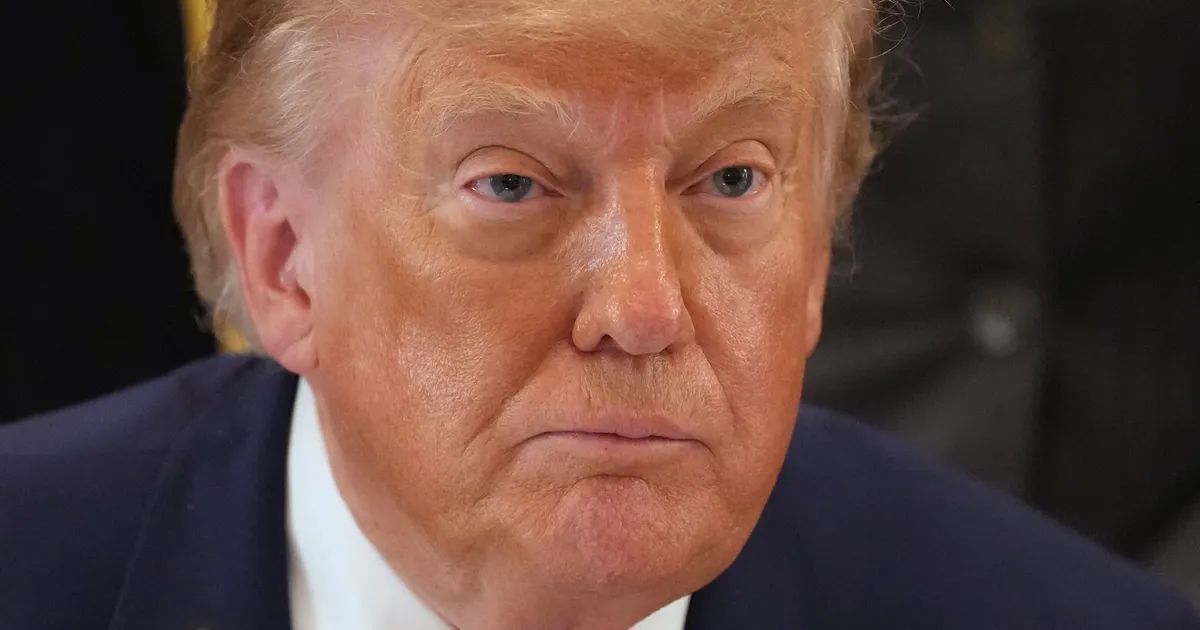
US President Donald Trump is facing mounting criticism from lawmakers, Ukrainian officials and Western allies following his announcement of an agreement with Russian President Vladimir Putin to increase Russian diesel supplies to American and international markets.
The proposed arrangement, announced on October 9, 2026, has triggered controversy over Washington's Russia sanctions policy, its support for Ukraine and the administration's efforts to tackle soaring fuel prices ahead of the November midterm elections.
While Trump argues that additional diesel supplies could help reduce energy costs, opponents contend that easing restrictions on Russian petroleum products risks providing Moscow with additional revenue while its war against Ukraine continues.
The controversy has also raised questions about whether the proposed shipments would significantly reduce American fuel prices and whether the administration can legally implement the arrangement without further congressional approval.
Trump Announces Russian Diesel Supply Agreement
Trump announced the agreement following discussions with Putin, claiming that Russia would immediately supply more than 300,000 tonnes of diesel fuel to American and international markets, followed by additional shipments in November and subsequent months.
According to Axios's report on the agreement, the president also announced that the US Treasury Department would temporarily ease certain sanctions restricting Russian diesel exports.
Trump presented the arrangement as a response to rising fuel prices, promising that increased supplies would help bring costs down for American consumers and businesses.
The administration's position is that making more fuel available could ease pressure on markets experiencing shortages and supply disruptions.
However, the announcement immediately attracted criticism because the United States and its allies have imposed extensive economic restrictions on Russia following its full-scale invasion of Ukraine in February 2022.
Critics argue that relaxing those restrictions without securing meaningful concessions from Moscow could weaken the economic pressure intended to discourage further Russian aggression.
Bipartisan Lawmakers Question the Deal's Legality
One of the most significant sources of opposition has come from within Trump's own Republican Party.
On October 11, a group of seven US senators, comprising four Republicans and three Democrats, urged the president to reverse the decision, arguing that it conflicted with legislation restricting Russian energy imports.
The lawmakers maintained that Congress had established the restrictions to prevent American payments from supporting Russia's military campaign in Ukraine.
Republican Senator Thom Tillis questioned whether the administration had sufficient legal authority to proceed, while other critics argued that Congress had not been properly consulted.
The dispute is particularly significant because Trump signed a new Russia sanctions law only weeks before announcing the diesel arrangement.
The administration, however, insists that it can implement the agreement using existing legal authority. Treasury Secretary Scott Bessent defended the decision, arguing that it would benefit American consumers by helping to reduce fuel costs.
According to Reuters' report on the bipartisan opposition, the dispute has developed into a broader confrontation over sanctions enforcement and the president's authority to alter the practical effect of restrictions imposed by Congress.
Ukraine Warns That Russia Could Benefit From Sanctions Relief
Ukrainian President Volodymyr Zelensky has strongly criticised the arrangement, arguing that allowing Russia to sell more petroleum products could strengthen the financial resources available to sustain its war.
Kyiv maintains that sanctions relief should follow a credible and lasting reduction in hostilities rather than precede it.
The announcement was especially sensitive because it coincided with diplomatic discussions involving American, Ukrainian and European officials seeking a possible pathway towards ending the conflict.
Zelensky also linked the controversy to renewed Russian attacks on Ukrainian cities and energy infrastructure. On October 10, Ukrainian officials reported a deadly Russian strike in Zaporizhzhia that killed civilians, including children.
For Kyiv, the concern is that additional Russian energy revenue could weaken the pressure on Moscow to negotiate seriously.
The controversy has also complicated relations between Washington and its European partners, many of whom continue to regard economic restrictions as an important instrument for limiting Russia's capacity to finance the war.
The Guardian's report on the agreement details the anger in Ukraine and the wider debate over the consequences of easing restrictions on Russian fuel exports.
Rising Fuel Prices Drive Trump's Decision
The administration's immediate justification centres on the cost of diesel, which is essential to trucking, agriculture, construction and several other industries.
Higher diesel prices can increase the cost of transporting food and consumer goods, operating farm machinery and delivering industrial products. Those expenses can eventually feed into inflation and place additional pressure on households.
Energy-market disruption linked to the conflict involving Iran and the closure of the Strait of Hormuz has added to concerns about global fuel availability and prices.
Trump has therefore presented the Russian diesel arrangement as a way to increase supplies and ease economic pressure.
Nevertheless, analysts have questioned whether the proposed volumes would deliver meaningful and sustained reductions in fuel prices.
Reuters reported on October 12 that the volume covered by the proposed sanctions waiver was equivalent to roughly 12 hours of global diesel supply. The report also noted that the United States is a net exporter of diesel, raising questions about the scale of the domestic supply problem the arrangement would solve.
These factors suggest that the agreement's effect on American pump prices may be limited compared with the political and diplomatic consequences of easing sanctions.
Political Implications Ahead of the Midterm Elections
The timing of the announcement has intensified the political controversy.
With congressional midterm elections approaching on November 3, the administration faces pressure to demonstrate that it can address the cost of living, including high fuel prices.
Critics argue that the agreement risks creating a contradiction between Trump's domestic economic objectives and Washington's stated policy of limiting Russia's ability to finance its war against Ukraine.
Former Vice President Mike Pence also criticised the decision, while Republican Representative Don Bacon argued that the United States should strengthen pressure on Moscow rather than relax restrictions.
However, some Republicans have defended Trump's approach, maintaining that the president must make difficult decisions to lower costs for American households.
The disagreement illustrates divisions within the Republican Party over how to balance economic concerns, sanctions policy and support for Ukraine.
Conclusion
Trump's proposed Russian diesel imports have developed into a major foreign-policy and domestic political dispute.
Supporters say the arrangement could help ease fuel prices, while opponents warn that it risks undermining sanctions, strengthening Russia's war economy and weakening cooperation with Ukraine and European allies.
Questions about the deal's legal basis and its likely effect on energy prices remain central to the debate.
Ultimately, the controversy will depend on whether the administration can demonstrate tangible benefits for American consumers while addressing concerns about sanctions compliance and the wider consequences for international security.
The decision has exposed the difficult balance between immediate economic pressures and long-term geopolitical objectives, with implications extending beyond the United States to Ukraine, Europe and global energy markets.