Why Iranians Are Dancing in the Streets After the Death of Supreme Leader Ayatollah Khamenei
Videos of celebratory dancing and cheering have emerged after reports of Iran’s Supreme Leader Ayatollah Ali Khamenei’s death. Explore the social, political, and historical reasons behind these public reactions and what they reveal about deep divisions in Iranian society.
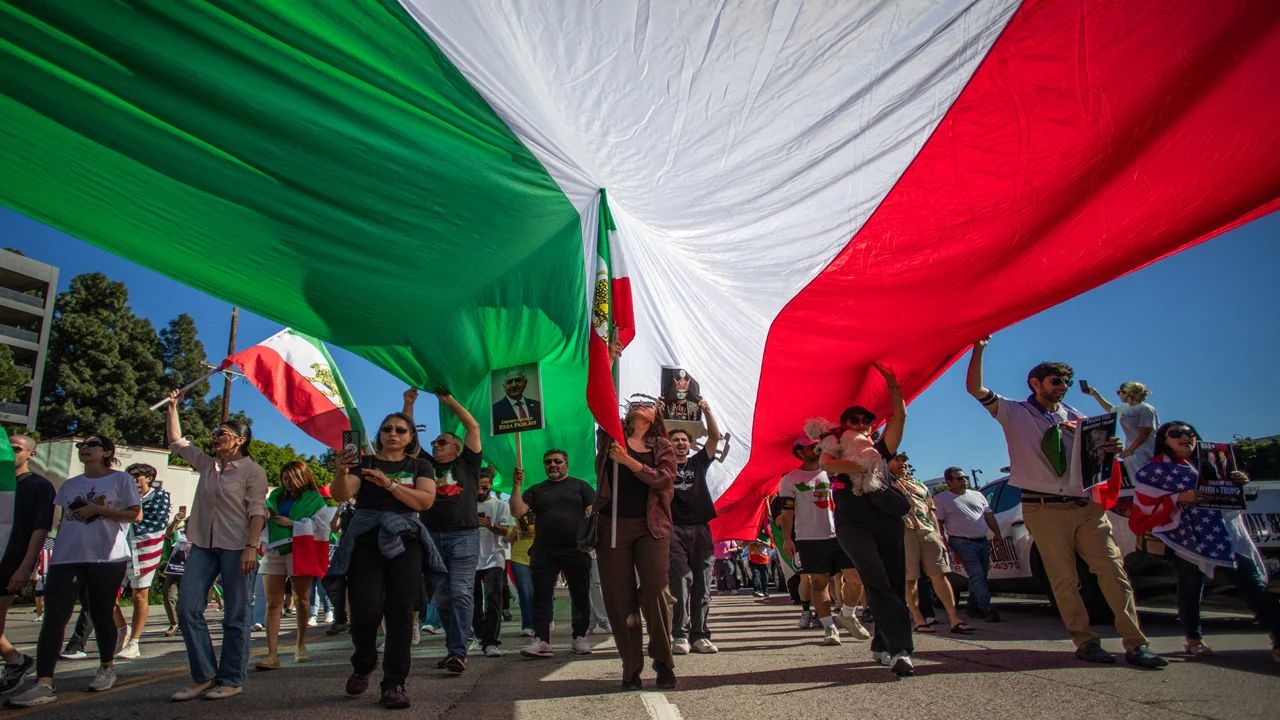
After the dramatic U.S.–Israel military strikes that reportedly killed Iran’s Supreme Leader Ayatollah Ali Khamenei, unexpected scenes have emerged from within Iran and the Iranian diaspora: people dancing, honking horns, and celebrating in public spaces. This reaction has puzzled observers worldwide, shedding light on deep-rooted societal divisions, frustrations with the regime, and long-standing popular resistance movements. Here’s a closer look at why some Iranians are dancing in the streets following the news.
1. Deep Political Divisions Within Iran
One of the primary reasons for celebratory dancing is the polarized state of Iranian society. While some mourn the loss of their leader, others view Khamenei as a symbol of decades of authoritarian rule, repression, and economic hardship. After nearly 40 years in power, his reported death represents radically different things to different Iranians. (bdnews24.com)
In cities such as Karaj, Dehloran, Izeh, and Lapuee, AFP-verified reports indicate that people celebrated with cheers, music, and sometimes dancing - reflecting relief or joy rather than sorrow. (The Economic Times)
2. Longstanding Public Repression and Protest Movements
Iran has experienced waves of protests in recent years, most notably the “Woman, Life, Freedom” movement sparked by the death of Mahsa Amini in 2022. These protests led to harsh crackdowns by the government, with thousands reportedly killed, injured, or imprisoned. Many of those involved in anti-government demonstrations have publicly expressed hope for change or liberation from the theocratic system.
For some of these citizens, particularly younger Iranians and members of protest movements, Khamenei’s death symbolizes the potential end of decades of repression. Dancing in the streets becomes an expression of relief, defiance, and the possibility of a future without oppressive rule. (The Week)
3. Celebration of Symbolic Freedom and Defiance
The street celebrations are not merely dancing; they represent a symbolic break from constraints imposed by the Islamic Republic. Under the current system, public dancing, especially by women or mixed-gender groups, is heavily restricted or outright banned. (Wikipedia)
Thus, for some participants, dancing publicly - even in moments of geopolitical crisis - is itself an act of defiance against the limitations of the regime. It becomes a public assertion of agency and cultural expression long suppressed under strict theocratic norms.
4. Diaspora Responses Amplify the Phenomenon
It’s not only Iranians within Iran who are reacting this way. Iranian communities abroad - from North America to Australia and Europe - have been publicly celebrating with music, firework displays, and dancing in support of the news. In Brisbane, hundreds gathered and danced in a public park after the reports, with some expressing hope for a democratic future. (The Courier-Mail)
Large groups in Amsterdam and The Hague were reported dancing and waving pre-1979 Iranian flags - an emblem associated with a desire to return to a different political identity than that of the Islamic Republic. (NL Times)
Such diaspora celebrations help reinforce the interpretation that the public reactions reflect hope for change among Iranians both inside and outside the country.
5. Mixed Emotions: Joy, Fear, and Uncertainty
While dancing and celebrations have been widely reported, they tell only part of the story. AFP journalists noted that not all Iranians rejoiced openly - many were fearful, mourning privately, or hesitant to appear in public due to possible reprisals.
In some parts of Tehran and other major cities, people expressed grief, echoed slogans in support of the regime, and gathered in mourning - illustrating the deep emotional complexity of the moment.
6. Historical Memory and Context
Iranians have a complex historical relationship with authority and public expression. Before the 1979 Islamic Revolution, Iran had a vibrant cultural life where music and dance were part of social gatherings. After the revolution, many such freedoms were restricted under theocratic rule, leading to decades of cultural suppression. (Wikipedia)
This contrast - between cultural memory of more open social life and decades of repression - can influence why some see this moment as culturally liberating and worthy of public celebration, even amid serious risks and uncertainty.
7. The Element of Unrest and Anti-Regime Sentiment
Reports note that in some regions, such as Abdanan, where security forces violently suppressed recent protests, young people took to the streets in celebration after the news of Khamenei’s death. These reactions point to localized anger and resentment stemming from specific incidents of repression. (www.israelhayom.com)
For those directly affected by state violence, dancing and cheering are not just a spontaneous act but a cathartic release after long-standing grievances and a hopelessness that many have felt for years.
8. Social Media’s Role in Amplifying Reactions
Social media has played a central role in disseminating videos of celebrations quickly around the world. Many of these clips - showing dancers, honking horns, and blared music - went viral before official confirmation of Khamenei’s death, and they often carry emotional testimonies from individuals expressing relief or joy. (mint)
This amplification makes it easier to see the breadth and diversity of reactions across Iranian society and the diaspora.
Conclusion: Dancing Is a Complex Response
The celebratory dancing after reports of Ayatollah Ali Khamenei’s death is not a simple reaction but a multidimensional expression of emotion. It reflects: Hope for change and an end to decades of repression, political divisions within Iran’s population, youth resentment versus regime loyalty, Diaspora aspirations for a new future, and cultural defiance against restrictions on public expression.
Simultaneously, it coexists with mourning, fear, and uncertainty - underscoring the complex and deeply personal nature of public reaction in Iran at this historic moment.