Why Claims of Iran’s New Supreme Leader Being Killed Are False - and What’s Really Happening in Tehran
Rumours that Iran’s interim supreme leader was killed hours after assuming office are unverified. This article explains why these claims are false, how Iran’s interim leadership is operating, and what real information sources confirm about the transition after Ayatollah Ali Khamenei’s death.
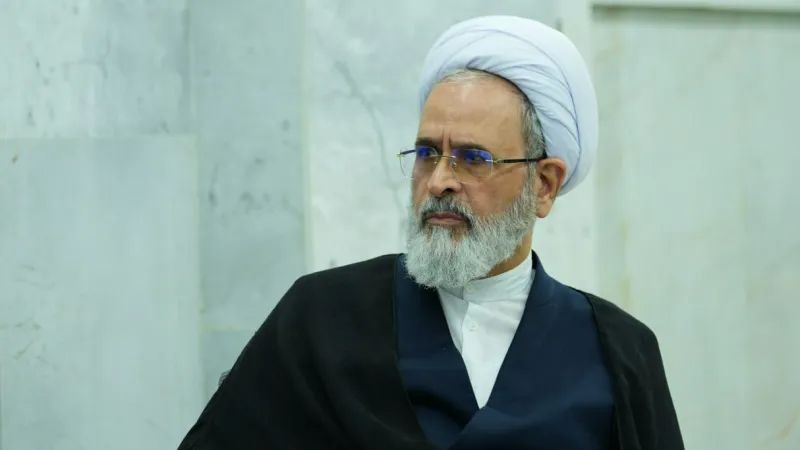
In the aftermath of the death of Iran’s Supreme Leader Ayatollah Ali Khamenei, reports have circulated on social media and some fringe sites claiming that his interim successor was killed just hours after taking office. However, no reliable global news organization or official statement has confirmed such an event. Instead, reputable sources describe a constitutional transition process underway in Iran that does not involve the sudden death of a new supreme leader.
Here’s the verified information about the situation and why the claims of a second killing are inaccurate.
1. Khamenei’s Death Triggered a Constitutional Transition
Iran’s State media and international sources confirmed that Ayatollah Ali Khamenei, who had led Iran since 1989, was killed during a joint U.S.–Israeli airstrike campaign in late February 2026. Iranian officials declared a period of mourning and referred to his death as martyrdom. (Financial Times)
Under Article 111 of Iran’s constitution, when the supreme leader’s position becomes vacant, a temporary leadership arrangement is established while a new leader is selected. (Punch Newspapers)
2. Iran Formed a Three-Person Interim Leadership Council
Rather than immediately naming a single new supreme leader, Iran’s leadership activated a constitutional mechanism that places authority in a three-member interim council composed of President Masoud Pezeshkian, Chief Justice Gholam-Hossein Mohseni-Eje’I and Ayatollah Alireza Arafi, nominated as the cleric member from the Guardian Council
This council leads the country only temporarily until the Assembly of Experts elects a permanent successor. Importantly, this body has not been reported by credible sources to have suffered any leadership deaths.
3. Claims of a New Leader’s Assassination Are Unverified
Some outlets and social media posts have claimed that Ayatollah Alireza Arafi - acting as interim leader - was killed shortly after taking office. One such report appears on an Indian news site citing a “former U.S. National Security Adviser,” but this claim has no supporting reports from mainstream, credible news sources such as Reuters, AP, BBC, AFP, Al Jazeera, or others covering the Iranian leadership transition. (Zee News)
Moreover, viral claims seen on unverified blogs do not constitute reliable confirmation of such a development. Responsible reporting requires verification from multiple credible outlets, which does not exist for this claim.
4. What Reputable Sources Actually Report
Verified news outlets and analysts describe the succession process as follows:
a. Interim Leadership Council Governs: Iran’s transitional authority is currently vested in the three-person council mentioned above. There is no official report of this council being attacked or its members killed. (Punch Newspapers)
b. Assembly of Experts to Choose Next Supreme Leader: Iran’s constitution requires the Assembly of Experts - an 88-member clerical body - to select the next supreme leader as soon as possible. Experts and analysts have listed potential contenders, including senior clerics such as Mohsen Qomi and Gholam-Hossein Mohseni-Eje’i, though no official choice has yet been made. (News.az)
c. Power Vacuum and Internal Pressure: While Iran faces a power vacuum following Khamenei’s assassination, institutions like the Islamic Revolutionary Guard Corps (IRGC) and clerical councils are working to maintain regime stability. Reuters reports that Tehran is managing the transition while preparing for ongoing conflict and internal strain. (Reuters)
5. Why False Reports Spread Quickly
The reports claiming that a new supreme leader was killed immediately after succeeding Khamenei likely stem from several factors like the High regional tensions after the U.S.–Israeli strikes on Iran, Misinterpretation of interim leadership roles versus permanent succession, Misinformation and rumor amplification on social media platforms, and the confusion over Iran’s opaque leadership structures
Such claims, especially in times of conflict, can easily go viral despite lacking substantiation.
6. How to Distinguish Credible News from Rumour
With geopolitical crises, misinformation can spread rapidly. To assess accuracy, check multiple major news outlets, and look for statements from official government sources, be cautious of social media posts without independent verification. No such confirmations have emerged about the alleged killing of Iran’s interim supreme leader.
7. What This Means for Iran’s Future
Iran is navigating a highly turbulent period:
- A power vacuum exists after the long rule of Ayatollah Khamenei.
- A constitutional interim council is governing while the Assembly of Experts prepares to choose a permanent successor.
- The leadership transition is critical amid continued military and diplomatic tensions. (Reuters)
The absence of verified reports about further leadership killings suggests that institutional mechanisms are functioning to prevent chaos, not to escalate it.
Conclusion: No Confirmed Killing of New Supreme Leader
Despite viral rumours, credible evidence does not support claims that Iran’s interim supreme leader was killed hours after taking office. Instead, Iran is governed by an interim leadership council while a constitutional process unfolds to select a permanent successor to Ayatollah Ali Khamenei.
As the situation evolves, relying on verified reporting from established news organizations remains essential for understanding this highly consequential moment in Iranian politics.