When Classrooms Become Crisis Zones with No Emergency Care
The death of a lecturer at Kogi State Polytechnic exposes systemic failures in campus healthcare. This editorial outlines urgent reforms Nigeria must adopt to prevent avoidable deaths, especially on our campuses.
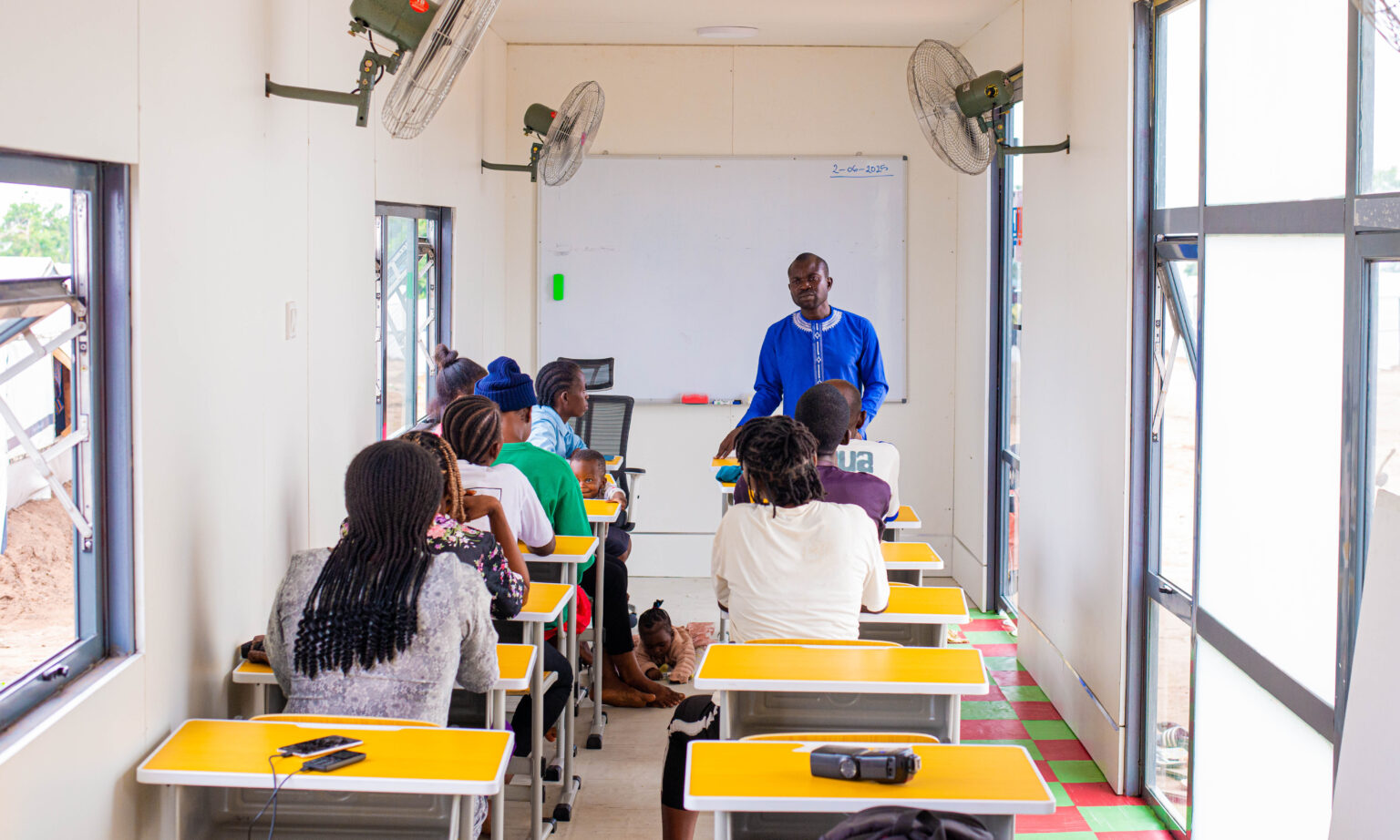
The sudden collapse and death of a lecturer at Kogi State Polytechnic is not just a tragic event - it is an indictment. It is an indictment of a system that has normalized delay, unpreparedness, and institutional neglect in the face of medical emergencies.
A man walked into a classroom to teach. He never walked out. That stark reality should haunt not only the academic community but policymakers and administrators across Nigeria. What followed his collapse - confusion, the absence of immediate medical intervention, and the lack of coordinated emergency response - reflects a deeper systemic failure that extends far beyond a single institution.
This was not merely a medical emergency. It was a failure of structure, planning, and responsibility.
The Dangerous Illusion of Campus Clinics
Across Nigeria, universities and polytechnics often list “medical centers” among their key facilities. On paper, this suggests a level of preparedness and care. However, many of these clinics are little more than basic outpatient units, unable to handle critical emergencies.
They are frequently understaffed, poorly equipped, and limited in scope. When a life-threatening situation arises, such as cardiac arrest or collapse, these centers lack the tools, personnel, and protocols needed to respond effectively. There are no defibrillators readily available, no trained rapid-response teams on standby, and no structured emergency procedures. The illusion of preparedness collapses at the very moment it is needed most.
A National Blind Spot
Nigeria has made considerable progress in expanding access to education, investing in infrastructure, enrollment, and institutional growth. Yet, it has failed to match this expansion with adequate investment in healthcare systems within these institutions.
There is no enforceable national framework that mandates the presence of fully functional emergency medical systems on campuses. Requirements for ambulances, trained personnel, or life-saving equipment are either absent or weakly implemented. As a result, healthcare within educational institutions is often treated as an afterthought rather than a core component of student and staff welfare. This gap represents a dangerous blind spot in national policy - one that leaves thousands of lives vulnerable every day.
What Must Change
If Nigeria is serious about preventing future tragedies, then the response must go beyond sympathy and statements. What is required is a comprehensive overhaul of how healthcare is structured and delivered within educational institutions.
Regulatory bodies such as the National Board for Technical Education and the National Universities Commission must take the lead in establishing and enforcing minimum healthcare standards. Accreditation should no longer be based solely on academic facilities and staffing; it must also include the capacity to respond effectively to medical emergencies. Institutions must be required to maintain properly equipped emergency units, complete with essential life-saving tools such as automated external defibrillators, oxygen systems, and monitoring equipment. These facilities should not be symbolic; they must be functional, staffed, and accessible always.
In addition, every campus should operate a dedicated emergency response unit. This unit should be trained, equipped, and ready to act within minutes of any incident. The difference between life and death in many emergencies lies in the speed of response, and current delays are unacceptable.
Training must also become a central pillar of reform. Lecturers, administrative staff, and even student leaders should be equipped with basic life-saving skills, including CPR and first aid. Such knowledge is not specialized; it is essential. In many countries, widespread CPR training has significantly improved survival rates in emergencies. There is no reason Nigeria cannot adopt similar measures.
Furthermore, campus healthcare systems must be integrated into broader national emergency frameworks. Collaboration with agencies such as the National Emergency Management Agency would ensure faster coordination, quicker ambulance dispatch, and better access to advanced medical facilities when needed.
None of these reforms can succeed without proper funding. Governments at both federal and state levels must allocate dedicated resources for upgrading campus medical infrastructure. This includes not only equipment but also personnel, training programs, and maintenance. Healthcare must no longer be the most neglected aspect of educational funding.
Finally, accountability must be enforced. Regulatory authorities should conduct regular audits of campus medical facilities and publish their findings. Institutions that fail to meet established standards should face sanctions, including the risk of losing accreditation. Without consequences, compliance will remain inconsistent.
The Cost of Inaction
Every delay in implementing these reforms carries a human cost. Today, it is a lecturer who collapses in a classroom. Tomorrow, it could be a student during a lecture, an athlete during training, or a staff member in an office.
Each incident follows a familiar pattern: shock, outrage, promises of investigation, and eventual silence. Then, inevitably, another tragedy occurs. This cycle must be broken.
A Moral and National Imperative
Education is not simply about imparting knowledge; it is about creating environments where individuals can learn, grow, and thrive safely. When institutions fail to provide even the most basic protection - the ability to respond effectively to a medical emergency, then they fail in their fundamental duty.
The death at Kogi State Polytechnic should not be reduced to a passing headline. It should catalyze change, forcing a re-evaluation of priorities and a renewed commitment to safeguarding lives.
Conclusion: From Tragedy to Transformation
Nigeria stands at a critical juncture. It can continue to operate within a system where preventable deaths are accepted as unfortunate realities, or it can choose a path defined by preparedness, responsibility, and respect for human life. The reforms required are neither radical nor unattainable. They are practical, necessary, and long overdue. No one should die in a classroom simply because help did not come fast enough.