Week 8 in Retrospect: Top 10 Global News Stories That Shaped Feb 15–21, 2026
A comprehensive look at the top 10 global events from Feb 15–21, 2026, including geopolitics, diplomacy, tech summits, Winter Olympics climax, humanitarian crises, AI breakthroughs, and international security developments.
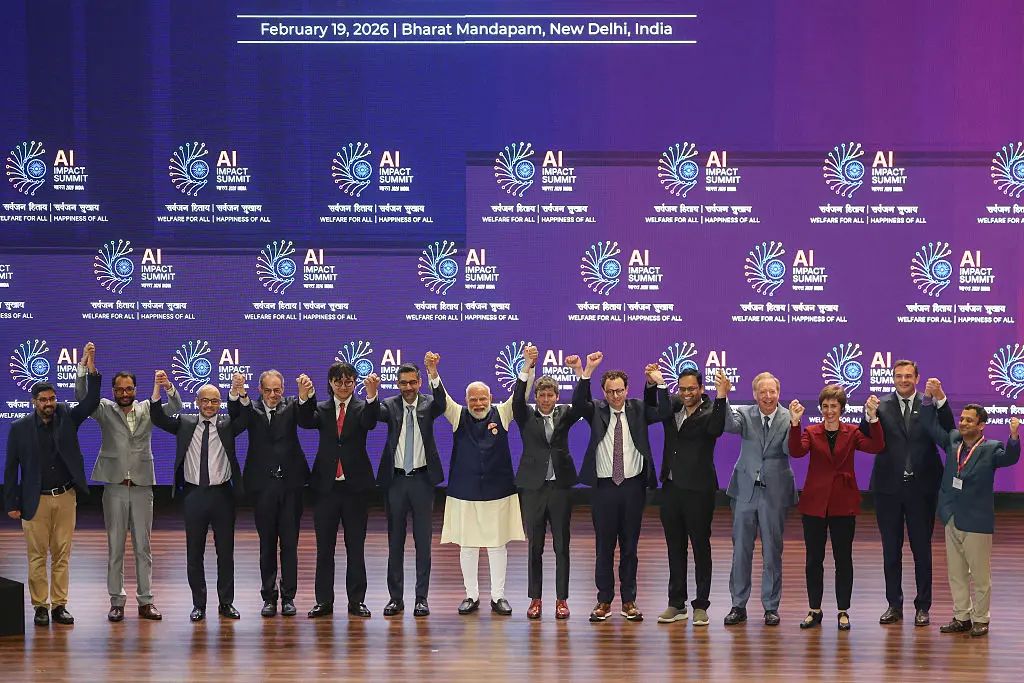
The week of February 15–21, 2026 was marked by a remarkable convergence of geopolitical shifts, high-stakes diplomacy, technological summits, global protests, and sporting spectacle. Across continents and thematic domains, leaders, citizens, and institutions grappled with crises and opportunities that will have lingering effects on the rest of 2026 and beyond. Here’s a detailed global news recap of the top 10 stories that dominated headlines worldwide.
1. India AI Impact Summit 2026 Advances Global Tech Dialogue
From February 16–20, 2026, New Delhi hosted the India AI Impact Summit 2026, bringing together world leaders, policymakers, and tech industry giants to frame international cooperation on artificial intelligence governance and ethical innovation. The summit, anchored by India’s Ministry of Electronics and Information Technology, drew participation from more than 110 countries and featured discussions on AI safety, inclusive technology deployment, and safeguarding human rights in the digital age. The event’s prominence showcased the accelerating role of AI on the geopolitical agenda, especially as emerging economies assert influence in shaping global standards. (Wikipedia)
In parallel, notable developments in AI infrastructure were reported, including the Tata Group–OpenAI partnership to build India’s first large-scale AI-ready data centre under a multi-billion-dollar initiative, signaling a significant investment in Asia’s technology landscape. (affairscloud.com)
2. Munich Security Conference Highlights Deep Geopolitical Frictions
The 62nd Munich Security Conference (MSC), which ran through February 15, 2026, set the tone for global security discussions early in the week. With world leaders converging in Germany, pivotal debates took place on the war in Ukraine, Middle East tensions, cyber threats, and the strategic balance between the United States and Europe. Ukrainian President Volodymyr Zelenskyy reiterated calls for long-term security guarantees, amidst broader concerns about erosion of international norms.
Meanwhile, a Global Day of Action in support of the Iranian people sparked massive rallies around the world on February 14–15, with more than a million participants in cities ranging from Munich to Los Angeles, underscoring rising global civil society pressure for political change in Iran. (Wikipedia)
3. U.S.–Iran Nuclear Talks Resume Amid Rising Tensions
Diplomats from the United States and Iran prepared to resume nuclear negotiations in Geneva during this period, with Washington seeking a deal that would limit Tehran’s uranium enrichment and curb potential military dimensions of its nuclear program. Iranian officials indicated readiness to discuss confidence-building measures if certain conditions were met, though disagreements persisted. French mediation efforts and Oman’s facilitation played key roles in bringing the parties back to the table. (AP News)
Simultaneously, U.S. President Donald Trump warned of consequences if talks faltered, contributing to a complex geopolitical calculus in the Middle East region that stretched from Washington to Tehran and beyond. (saachibaat.com)
4. Milano-Cortina 2026 Winter Olympics Culminate in Glorious Closing Ceremony
The 2026 Winter Olympic Games in Italy reached their finale on February 22, 2026, with a spectacular closing ceremony at the Verona Arena that blended sporting achievement with cultural pageantry. The event not only celebrated athletic excellence but also symbolized global unity through sport, as countries from around the world competed fiercely across disciplines ranging from skiing to curling. Norway topped the medals tally, while memorable performances and dramatic contests captivated global audiences right to the end. (News.com.au)
5. Flight Disruptions Hit European and Middle Eastern Airports
Severe weather and labor strikes triggered widespread flight cancellations and delays across major airports in Europe and the Middle East over the weekend of February 21, disrupting travel plans for tens of thousands of passengers worldwide. The chaos highlighted ongoing vulnerabilities in global air transport infrastructure in the face of extreme weather and workforce unrest, with ripple effects on business travel, logistics, and tourism industries. (Evrim Ağacı)
6. Global Health: Infectious Disease Trends and Vaccine Developments
The week’s infectious disease reports cast a spotlight on evolving public health challenges. Key developments included revisions to pediatric vaccine schedules, updates on respiratory syncytial virus (RSV) protection strategies, and a notable policy shift by the U.S. Food and Drug Administration regarding Moderna’s influenza vaccine. These stories emphasized the dynamic landscape of global health surveillance and preventive care, as nations prepared for seasonal and emerging disease threats. (Contagion Live)
7. Migrant Boat Tragedy off Greece Highlights Mediterranean Risks
Off the southern coast of Crete, at least five migrants died, and around 20 were reported missing after a wooden boat capsized while attempting to reach European shores - a stark reminder of the human cost of irregular migration across the Mediterranean. Survivors recounted desperate attempts to board a larger vessel that was aiding in rescue operations before the wooden boat overturned. International organizations continue search and rescue efforts. (Platform for Peace and Humanity)
8. Rising Tensions in the Middle East and East Africa
Beyond diplomatic negotiations, the broader Middle East saw continued volatility. In northern Gaza and southern Lebanon, armed engagements and border tensions underlined the fragility of ceasefires and the humanitarian strain on civilian populations. Meanwhile, the European migrant crisis and displacement pressures in regions like South Sudan emphasised the interconnected challenges of conflict and climate displacement. (Nhan Dan Online)
9. Magnus Carlsen Wins Freestyle Chess World Championship 2026
In a remarkable sporting achievement off the ice rinks but within intellectual sport, Magnus Carlsen clinched the FIDE Freestyle Chess World Championship on February 15, 2026, adding another title to his unparalleled chess legacy. This historic win, against top grandmasters including Fabiano Caruana, showcased the evolving dynamics of global chess in an era where human strategic skill collaborates with computational analysis. (PendulumEdu)
10. Brazil-India Strategic Talks Signal Economic Realignment
During this week, Brazilian President Luiz Inácio Lula da Silva conducted high-level talks with Prime Minister Narendra Modi in New Delhi, the largest such delegation ever sent by Brazil abroad. Discussions centered on critical minerals, aerospace cooperation with Embraer, and AI collaboration - reflecting deeper strategic ties between two of the Global South’s largest economies. These talks point to evolving economic partnerships that may recalibrate trade and technology networks traditionally dominated by Western powers. (The Rio Times)
Conclusion: A Week of Interconnected Global Currents
From high-level diplomacy and international policy summits to sporting triumphs and humanitarian concerns, February 15 – 21, 2026 epitomized how intertwined global events are shaping the geopolitical, technological, and social trajectories of our world. Leaders and citizens alike faced opportunities and crises that transcended borders, reflecting a world in flux yet striving for cooperative solutions and shared progress.