Week 7 in Retrospect (Feb 8–14, 2026): Top 10 Global News Stories That Shaped the World
A comprehensive recap of the top 10 global news stories from Feb 8–14, 2026 — including major protests, geopolitical shifts, historic elections, Winter Olympics highlights, security summits, and international diplomacy.
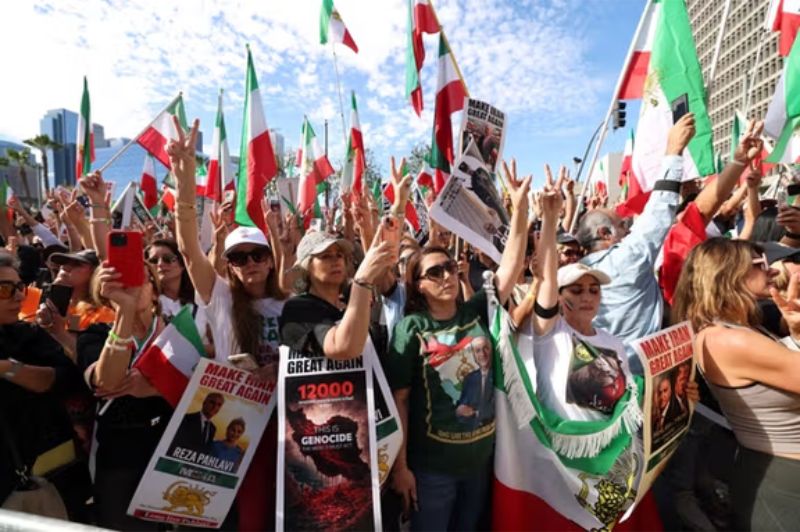
Week 7 of 2026 was marked by fervent protests, diplomatic developments, historic elections, high-stakes summits and sporting drama. Across continents, citizens, governments, and leaders wrestled with geopolitical tensions, social movements, and world-stage competition. Below are the top 10 global stories that dominated international headlines between February 8 and 14, 2026.
1. Worldwide Protests Against Iran’s Government Reach Historic Scale
On February 14, massive demonstrations took place in major cities including Munich, Los Angeles and Toronto, as part of a coordinated Global Day of Action in support of anti-government protesters in Iran. The rallies - each drawing hundreds of thousands - saw crowds chanting for regime change, human rights, and democratic reform in Iran amid ongoing crackdowns on protesters. Organizers reported that over a million people participated in global solidarity events.
In Munich, the protests ran alongside the international 62nd Munich Security Conference, amplifying global attention on human rights issues and diplomatic engagement with the Iranian crisis. (Wikipedia)
2. The 62nd Munich Security Conference Brings World Leaders Together
The 62nd Munich Security Conference (MSC) was held in Munich, Germany, gathering top diplomats, foreign ministers, and global policymakers to address critical security issues - from the Middle East to European defence cooperation and rising authoritarian pressures. The conference stretched from February 13 to 15, focusing on strategic competition and international stability at a time of global uncertainty. (Wikipedia)
Alongside formal sessions, diplomatic engagements - such as Ukrainian President Volodymyr Zelenskyy’s meeting with Iranian opposition figure Reza Pahlavi - highlighted efforts to align international stances on major conflicts. (Reuters)
3. Bangladesh’s Landmark General Election Signals Regional Shift
South Asia was in the spotlight as Bangladesh held its first general election since the 2024 uprising. According to initial results, the Bangladesh Nationalist Party (BNP) emerged with a clear majority in the 300-seat Jatiya Sangsad, potentially reshaping political dynamics in one of the region’s most populous countries.
The outcome is significant for South Asian geopolitics as it could influence relations with neighbouring powers and global diplomatic balances. (mint)
4. Continued Excitement and Historic Moments at the Winter Olympics 2026
The 2026 Winter Olympics in Milano-Cortina, Italy, continued to capture global attention with thrilling competition and historic achievements. Notable moments from the Games included standout performances across alpine skiing, skeleton, speed skating and ice hockey, with countries like Brazil securing its first gold medal in Winter Olympics history and Norway extending its medal lead.
These results underscore how elite athletic achievement and international unity remain core themes of the Olympic movement. (The Guardian)
5. Russia-Ukraine War and Diplomatic Pressures at Global Forums
The ongoing war in Ukraine remained a central issue at global forums in Week 7. Discussions at the Munich Security Conference and subsequent diplomatic efforts underscored persistent concerns over long-term security guarantees, alliance cohesion, and the humanitarian toll of protracted conflict - even as leaders debated pathways to peace and sustained support for Kyiv. (Wikipedia)
6. U.S.-Iran Nuclear Talks Planned in Geneva
The United States and Iran agreed to resume a new round of **nuclear talks in Geneva, hosted by Oman, amid heightened international tensions. Officials signaled that discussions would focus on de-escalation and nuclear constraints, reflecting sustained multilateral efforts to manage diplomatic relations with Tehran. (mint)
7. Global Markets and Tech Sector Face AI Valuation Pressures
Global financial markets continued to grapple with volatility as heavy investment in Artificial Intelligence (AI) infrastructure and chip development triggered reassessments of tech stock valuations. Investors questioned whether long-term returns could justify the scale of current spending, contributing to broader market fluctuations across the U.S., Europe, and Asia.
Concurrently, debates over AI governance and international standards gained traction, especially as advanced technology forums and summits began attracting broad participation from policymakers and industry leaders. (MINIMARKET ONLINE LTD)
8. Cuba’s Economic Crisis Deepens Following Refinery Fire
In Cuba, a fire at the Nico López refinery - the island’s main petroleum processing facility - aggravated energy shortages, pushing daily blackouts beyond 20 hours in some regions and forcing hotel closures that dented tourism. The United Nations warned of potential humanitarian “collapse” if fuel needs were not met, highlighting the fragile state of the Cuban economy amid global energy pressures.
The opposite narratives from Cuban authorities and foreign observers over conditions also drew diplomatic scrutiny. (The Rio Times)
9. Mexico Approves Historic Labor Reform
Mexico’s Senate unanimously passed a constitutional reform to reduce the standard workweek from 48 to 40 hours, affecting an estimated 13.4 million workers - the most significant labor change in over a century. The reform united diverse political factions but also drew criticism for potential loopholes that could limit its impact on the informal economy.
The move reflects broader global discussions around labour rights, productivity, and work-life balance as economies adjust to post-pandemic dynamics. (The Rio Times)
10. Intensifying Border Tensions and Trade Disputes in Latin America
Latin America saw rising geopolitical friction as Colombia raised a significant dispute with Ecuador over a dramatic border tariff increase that threatened bilateral trade worth billions of dollars. Joint protests by border city workers highlighted the economic consequences of sudden policy shifts, while Colombia also faced simultaneous crises from flooding and fiscal battles with the corporate sector.
This situation illustrates how local trade policies can escalate into broader regional economic stress points. (The Rio Times)
Conclusion
From vibrant Olympic achievements and democratic breakthroughs in Asia to sweeping global protests and strategic diplomatic gatherings in Europe, Week 7 (February 8 – 14, 2026) captured a world in motion. The blend of activism, diplomacy, sport, economics, and human resilience demonstrated how interconnected global affairs are - and how events in one region can reverberate widely.