Week 5 in Retrospect: The Big Global Headlines (January 25 – 31, 2026)
As January draws to a close, week 5 of 2026 delivered a powerful mix of geopolitical tension, humanitarian crises, political brinkmanship, climate challenges, and cultural moments that resonated worldwide. From devastating violence in Gaza to high-stakes diplomacy and major economic indicators, here are the top 10 global news stories that defined the period.
1. Deadliest Israeli Airstrikes in Gaza Since Ceasefire
Late January saw one of the deadliest bursts of violence in the Gaza Strip since the October 2025 ceasefire. Israeli airstrikes across multiple sites - including residential buildings and a police station - killed at least 30 Palestinians, among them children and women, according to health officials. Israel said the strikes targeted Hamas and Islamic Jihad operatives following alleged ceasefire violations. The attacks came just as the crucial Rafah border crossing with Egypt was about to reopen, underscoring the fragility of the ceasefire and raising international concern.
Implications: The violence threatens to derail delicate negotiations around Gaza’s second-phase truce, affecting humanitarian access and international peace efforts.
Source: Reuters (AP summary) - Israeli strikes kill at least 30 in Gaza (AP News)
2. Partial U.S. Federal Government Shutdown Begins
The U.S. federal government entered a partial shutdown at midnight on January 31 after Congress failed to complete appropriations for the 2026 fiscal year. A Senate-approved bipartisan funding package stalled in the House, triggering a lapse of funding for many federal agencies.
Why it matters: Even a short-term shutdown can disrupt services, delay federal hiring, affect global markets, and erode investor confidence - with reverberations felt in international economic planning and trade.
Source: 2026 U.S. Federal Government Shutdown Background - Wikipedia (Wikipedia)
3. U.S.–Russia–Ukraine Trilateral Peace Talks Continue in Abu Dhabi
In a landmark diplomatic effort, U.S., Ukrainian, and Russian envoys met in Abu Dhabi to discuss terms toward ending the Russo-Ukrainian war. These first publicly acknowledged trilateral talks since the 2022 invasion focused on negotiating framework parameters and territorial questions, though no final settlement was achieved. A second round of discussions was expected by February 1. (Wikipedia)
Significance: With intense combat and deep political divides still unresolved, these talks represent a critical effort to leverage diplomacy in a four-year conflict that has reshaped European security.
Source: U.S.–Ukraine–Russia Meetings in Abu Dhabi 2026 - Wikipedia (Wikipedia)
4. Global Economic Growth Outlook Remains Stable
A Reuters poll of economists indicated that global economic growth is projected at 3% in 2026, unchanged from forecasts a year earlier. This suggests resilience despite geopolitical shocks, trade tensions, and market volatility.
Context: A stable expansion outlook offers reassurance to policymakers and investors, though underlying risks - including trade disputes and fiscal uncertainty persist.
Source: Reuters Poll - World Order and Growth Outlook (Reuters)
5. Climate Disasters and Water Scarcity Intensify Worldwide
An environmental report highlighted severe weather and climate crises, linking deadly flooding in southern Africa - which claimed over 200 lives - to climate change and La Niña effects. Other extreme weather events in Europe and record heat in China were also spotlighted, alongside global water scarcity that threatens billions.
Global stakes: These events underscore the urgency of climate adaptation and disaster resilience as interconnected environmental risks grow.
Source: Sustainable Switch Climate Focus (Reuters)
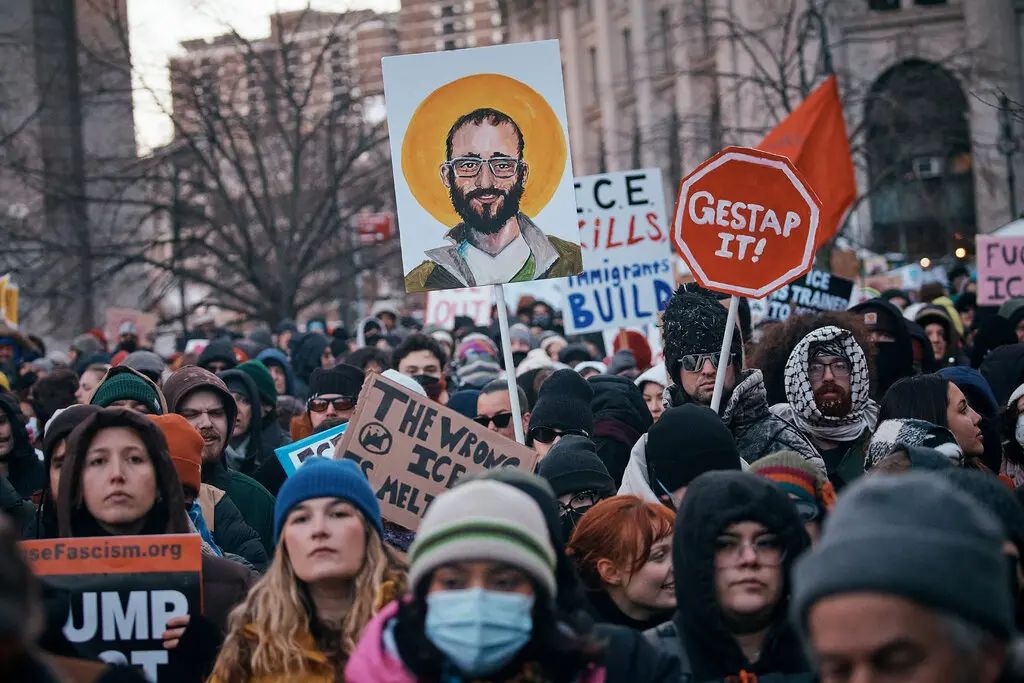
6. Protests Against U.S. Immigration Enforcement in Europe
Hundreds of demonstrators protested the planned deployment of U.S. Immigration and Customs Enforcement (ICE) agents in Milan ahead of the Winter Olympics, expressing concerns about human rights and security. Italy’s mayor publicly opposed the move, reflecting broader Western unease with foreign enforcement presence.
Wider implications: These protests illustrate how domestic enforcement decisions can ripple into international relations, especially during high-profile events.
Source: AP News - Demonstrators in Milan Protest ICE Unit (AP News)
7. UAE Announces Six Major International Summits in February
The United Arab Emirates confirmed it will host six major global summits focusing on governance, tolerance, digital trade, healthcare innovation, and sports throughout February - underscoring its strategic role as a hub for international diplomacy and sector leadership.
Why it matters: This demonstrates the shifting dynamics of global convening power beyond traditional Western venues, particularly in the Middle East.
Source: Times of India – UAE to Host International Summits (The Times of India)
8. Myanmar Election Phase and Conflict Continue
The Myanmar parliamentary elections’ final phase proceeded amid ongoing conflict, with a pro-military party securing major victories in January. Reports also surfaced that a village sheltering displaced people was struck by airstrikes, killing at least 21. These developments reflect the continued instability surrounding electoral legitimacy and civil war dynamics in the region.
International concern: Political legitimacy and humanitarian conditions in Myanmar remain key regional issues.
Source: TFI Daily News – Myanmar Airstrike and Hunger Crisis (Tumblr)
9. Bangladesh and Pakistan Renew Air Connectivity After 14 Years
A positive development in South Asian ties saw Bangladesh and Pakistan resume direct flights after a 14-year hiatus, marking an improvement in bilateral relations and travel cooperation.
Impact: Restored connectivity promises economic, cultural, and diplomatic benefits - a rare bright spot in regional geopolitics.
Source: Daily Current Affairs – Direct Air Services Resume (Guidely)
10. Australian Open 2026 Concludes Grand Slam Tennis Action
On the cultural and sporting front, the 2026 Australian Open wrapped up with top athletes securing championship titles. The Grand Slam event, concluding January 31, captivated global audiences and showcased elite athletic performance from elite players worldwide. (Wikipedia)
Sporting relevance: Major international sporting events shape global media and tourism cycles each year.
Source: 2026 Australian Open - Wikipedia (Wikipedia)
Looking Ahead
The final days of January 2026 underscored how conflict, diplomacy, economics, environment, and cultural events are deeply interconnected in shaping the global narrative. As February’s summits and negotiations begin, world leaders face a complex tableau of humanitarian crises, peace talks, economic policy, and diplomatic balancing acts.
From persistent wars and climate upheavals to collaborative forums and sports milestones, week 5 highlighted how international affairs continue to evolve rapidly - with consequences that span continents and sectors.