Week 44 In Retrospect (October 26 – November 1, 2026): Top 10 Global Headlines That Shaped the World
From Brazil’s landmark presidential election and escalating Middle East tensions to the Ebola outbreak in Africa, BRICS diplomacy, Ukraine’s war and major global economic developments, explore the top 10 stories that shaped the world in Week 44 of 2026.
The final week of October 2026 was marked by significant political realignments, persistent geopolitical tensions, public health concerns and economic uncertainty across different parts of the world.
From Latin America to Europe, Africa, Asia and the Middle East, governments faced difficult decisions as political transitions, armed conflicts, diplomatic negotiations and humanitarian emergencies dominated international headlines.
In Brazil, President Luiz Inácio Lula da Silva's election victory represented an important moment for Latin American politics, while tensions surrounding the wars in Ukraine and the Middle East continued to challenge international diplomacy.
Africa also confronted renewed public health concerns as the Ebola outbreak prompted emergency coordination among health authorities, with Nigeria strengthening its response following confirmation of an imported case.
Meanwhile, the BRICS bloc continued efforts to strengthen its international influence, the G20 grappled with divisions over global conflicts, and developments in energy and climate policy highlighted the competing priorities shaping the world economy.
Here are the 10 major global stories that defined Week 44, October 26 to November 1, 2026.
1. Lula Secures Historic Fourth Presidential Term in Brazil: Brazilian President Luiz Inácio Lula da Silva secured a historic fourth presidential term on October 25, with the result continuing to dominate international political discussions at the beginning of Week 44.
Lula defeated his right-wing challenger, Senator Flávio Bolsonaro, by more than four million votes in a runoff election that defied several opinion polls and expectations of another conservative victory in Latin America.
The result was particularly significant because it interrupted a series of electoral successes by right-wing political movements across the region. Flávio Bolsonaro, son of former president Jair Bolsonaro, refused to concede defeat and indicated that he would challenge the result, alleging irregularities surrounding an extension of voting hours.
Lula's victory also carried considerable international implications, particularly for relations between Brazil and the United States. His government is expected to maintain its emphasis on social welfare, poverty reduction, environmental protection and stronger cooperation with developing economies.
However, his next administration faces considerable domestic challenges, including high interest rates, public debt, economic growth concerns and a conservative-dominated Congress that could limit his policy ambitions.
The election was therefore more than a domestic political contest: it represented an important test of the resilience of democratic institutions and the direction of Latin American politics.
Source: Reuters – Brazil's Lula wins historic fourth term.
2. Ebola Outbreak in Central Africa Surpasses 10,000 Cases, Raising International Alarm: Africa's public health situation deteriorated further during the week as the Ebola outbreak in the Democratic Republic of Congo surpassed 10,000 confirmed infections, raising fears of wider transmission across the continent.
Figures released on October 27 indicated that confirmed infections had reached approximately 10,060, with deaths approaching 4,900. The outbreak, caused by the Bundibugyo strain of the Ebola virus, had become the largest and deadliest recorded in the Democratic Republic of Congo.
The crisis attracted additional international attention following reports of infections in several countries, including Nigeria and Kenya.
Nigeria's confirmation of an imported case was particularly concerning because it made Africa's most populous country the fourth African nation affected by the outbreak. Health authorities began contact tracing and isolation measures to prevent further transmission.
The Africa Centres for Disease Control and Prevention also moved to coordinate a wider continental response, convening health ministers to strengthen surveillance, preparedness and cross-border cooperation.
The outbreak presented a serious challenge because the Bundibugyo strain has no approved vaccine or specific treatment. Weak healthcare infrastructure, misinformation, funding shortages and difficulties tracing contacts have further complicated containment efforts.
Beyond the immediate health emergency, the situation exposed the vulnerability of African countries to infectious diseases that cross national borders.
Sources: Reuters – Congo's Ebola cases surpass 10,000; Associated Press – Africa CDC calls Ebola crisis summit.
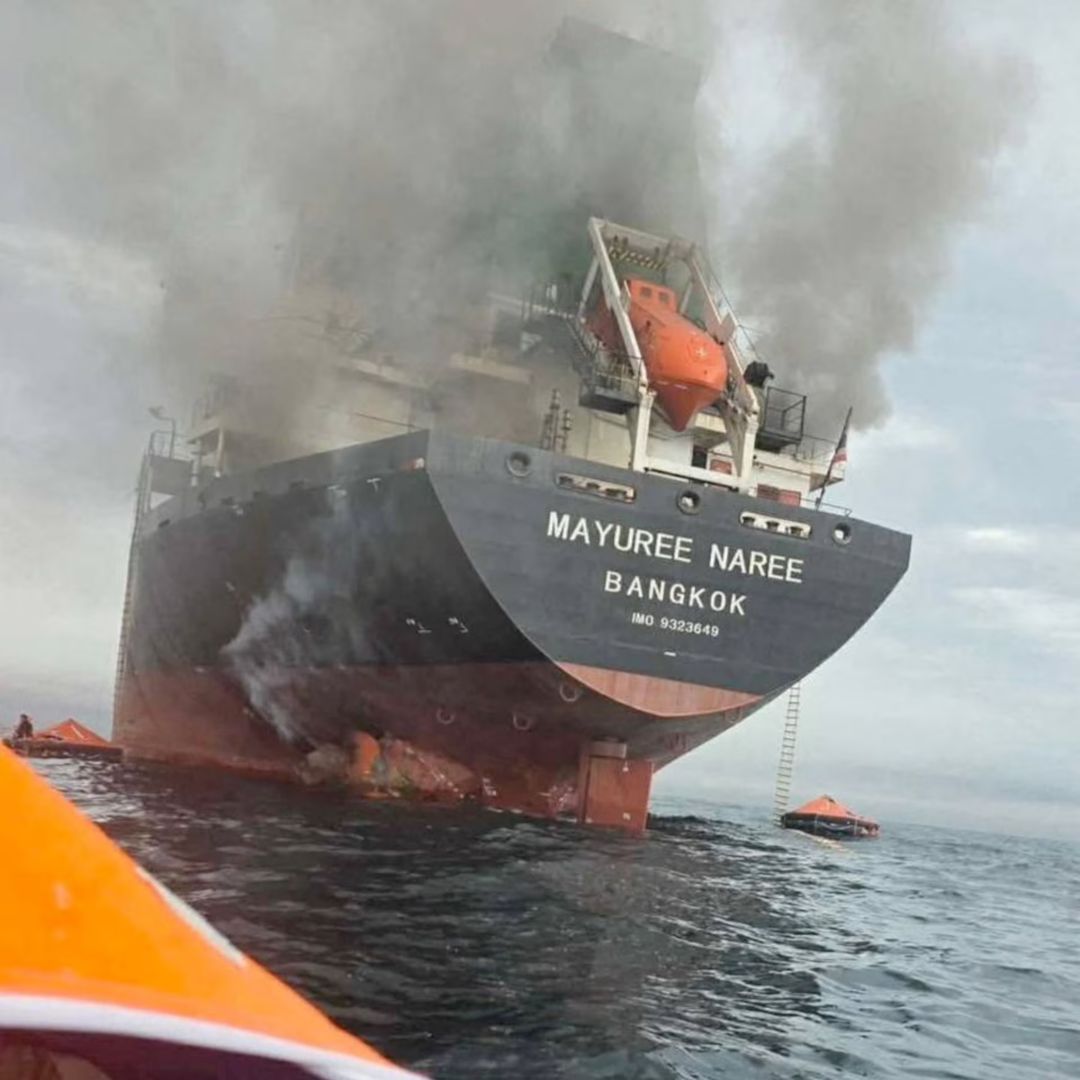
3. Strait of Hormuz Tensions Intensify as Tanker Is Hit by Explosive Devices: The Middle East remained one of the world's most dangerous geopolitical flashpoints as tensions surrounding Iran, the United States and commercial shipping through the Strait of Hormuz continued to threaten international energy security.
A major development occurred on October 30 when a tanker was struck by two limpet mines in the strategic waterway. The incident caused a fire in the vessel's engine room and temporarily disabled it, although the crew remained safe and the fire was extinguished.
The incident raised concerns about the safety of international shipping through a corridor that carries a substantial proportion of the world's seaborne oil supplies.
The Strait of Hormuz is particularly important to global energy markets because disruptions to its operations can affect oil prices, transportation costs, inflation and energy security across continents.
Meanwhile, diplomatic efforts involving Qatar and other regional intermediaries continued as Washington and Tehran explored possible arrangements to reduce hostilities and restore safer passage for commercial vessels.
The situation also attracted international attention because a prolonged confrontation could affect countries far beyond the Middle East, particularly energy-importing economies in Europe, Asia and Africa.
The tanker incident demonstrated that even amid diplomatic negotiations, the risk of escalation remained substantial.
Source: Reuters – Tanker in Strait of Hormuz hit by limpet mines.
4. Russia and Ukraine Begin Limited Ceasefire for Humanitarian Operations: The Russia-Ukraine war recorded a limited humanitarian development during the week as both countries began observing a local ceasefire around the occupied Ukrainian town of Oleshky.
The arrangement, announced on October 27, was intended to facilitate the delivery of humanitarian assistance and the evacuation of civilians facing severe shortages of food and medicine.
The agreement was significant because it demonstrated that limited cooperation remained possible despite the continuing military confrontation.
The humanitarian situation in Oleshky had become increasingly difficult, with residents facing the consequences of prolonged fighting and restricted access to essential supplies.
However, the ceasefire did not translate into a broader suspension of hostilities. Missile and drone attacks continued elsewhere, including strikes affecting Kyiv and other Ukrainian locations.
The United States continued diplomatic efforts aimed at bringing both sides towards negotiations, with technical-level discussions involving Russia, Ukraine and American representatives expected in Abu Dhabi in November.
The limited agreement offered a reminder that humanitarian negotiations could produce practical results even when a comprehensive peace settlement remained distant.
Source: Reuters – Russia and Ukraine begin Oleshky ceasefire.
5. G20 Foreign Ministers' Meeting Exposes Deep Divisions Over Ukraine and Middle East Wars: International divisions became increasingly visible during the G20 foreign ministers' meeting in Atlanta, United States, on October 30 and 31.
The meeting brought together representatives of the world's major economies at a time when conflicts in Ukraine and the Middle East were complicating international cooperation.
The most striking diplomatic moment occurred when foreign ministers abandoned the traditional G20 group photograph because of disagreements over the participation of Russian Foreign Minister Sergey Lavrov.
European representatives objected to appearing alongside Lavrov, reflecting their continuing opposition to Russia's invasion of Ukraine and disagreement with recent American decisions concerning Moscow.
The United States, which holds the G20 presidency in 2026, had hoped to focus discussions on international trade imbalances and cooperation over critical minerals, particularly in response to China's influence over strategic supply chains.
However, geopolitical tensions threatened to overshadow those priorities.
The meeting illustrated the difficulty of securing common positions among major economies when members have sharply different interests regarding international conflicts.
It also raised questions about the G20's ability to coordinate responses to global economic and security challenges.
Source: Reuters – G20 foreign ministers skip photo opportunity amid objections over Russia.
6. Canada and European Union Move Towards Historic Associate Membership Partnership: Canada and the European Union announced a significant step towards deeper political and economic cooperation during a summit in Montreal on October 30.
Canadian Prime Minister Mark Carney said Canada was working towards becoming the European Union's first associate member, creating a new form of partnership that would strengthen cooperation without requiring full EU membership.
The proposed arrangement is expected to focus on strategic areas such as artificial intelligence, energy, critical minerals, economic resilience and international security.
The initiative reflects growing efforts by Western economies to diversify their economic relationships amid uncertainty surrounding global trade and geopolitical competition.
Canada's potential associate membership could also provide the EU with a stronger transatlantic partner, particularly in securing critical minerals and strengthening supply chains.
However, the proposal remains a work in progress. The term associate membership has no established legal meaning within the EU, and some member countries have expressed reservations about the arrangement.
Nevertheless, the announcement represented an important development in Canada's relationship with Europe and the wider effort to build stronger economic alliances.
Source: Reuters – Canada and EU to define deeper association by 2027.
7. BRICS Parliamentary Forum Meets in India Amid Growing Global Power Competition: The growing influence of emerging economies received renewed attention as representatives of BRICS member countries gathered in New Delhi, India, for the 12th BRICS Parliamentary Forum on October 26 and 27.
The meeting brought together parliamentary leaders and representatives from Brazil, Russia, India, China, South Africa and other participating member countries, including Egypt, Ethiopia, Iran, Indonesia and the United Arab Emirates.
Held under the theme Fostering Parliaments for People-Centric Development, the forum focused on strengthening parliamentary cooperation, promoting inclusive development and expanding engagement among member and partner countries.
The gathering came at a time when BRICS was seeking to strengthen its influence in international economic and political affairs.
The bloc has increasingly positioned itself as an important platform for developing economies seeking greater representation in global decision-making institutions.
Its growing membership and expanded partnerships have also generated discussions about the future of international trade, financial cooperation, investment and the global balance of power.
Although the New Delhi gathering was a parliamentary forum rather than a full leaders' summit, its significance lay in reinforcing institutional cooperation among countries with considerable economic and geopolitical influence.
For developing nations, particularly across Africa, the continued expansion of BRICS cooperation offers opportunities for investment, infrastructure development and stronger diplomatic partnerships.
Source: India's Press Information Bureau – 12th BRICS Parliamentary Forum, New Delhi, October 26–27, 2026.
8. Jordan Launches Airstrikes Against Islamic State Targets in Syria: Security tensions in the Middle East extended beyond the Iran crisis as Jordan announced airstrikes against suspected Islamic State militant positions in southern Syria.
On October 27, Jordanian authorities said their military had killed more than 20 Islamic State militants during operations targeting what they described as terrorist hideouts.
The strikes followed a deadly church attack in Jordan that killed nine people. Jordanian officials linked suspects arrested in connection with the incident to militant networks operating across the Syrian border.
However, the operation generated controversy after Syrian authorities reported civilian casualties, including children, and questioned whether the strikes had been properly coordinated with Damascus.
Jordan expressed regret over the reported civilian deaths, while Syria condemned the attacks as a violation of its sovereignty.
Despite the disagreement, both countries indicated their willingness to strengthen security cooperation through a proposed joint security committee.
The incident highlighted the continuing threat posed by extremist organisations in the region, particularly in areas where weak border controls and prolonged instability provide opportunities for militant activity.
It also demonstrated the delicate balance facing Middle Eastern governments as they attempt to combat terrorism while respecting national sovereignty and protecting civilians.
Source: Reuters – Jordan says it killed more than 20 Islamic State militants in Syria airstrikes.
9. Africa Makes Olympic History as Dakar 2026 Youth Olympic Games Open: Africa recorded a major sporting milestone on October 31 as Senegal officially opened the 2026 Youth Olympic Games in Dakar, marking the first time an Olympic sporting event had been hosted on African soil.
The opening ceremony took place at the 50,000-capacity Abdoulaye Wade Stadium in Diamniadio, near Senegal's capital.
The event brought together young athletes from around the world for a 14-day celebration of sporting competition, cultural exchange and international friendship.
The ceremony featured approximately 1,100 performers, including 700 dancers, showcasing African creativity, music, culture and artistic traditions.
International Olympic Committee President Kirsty Coventry welcomed participating athletes and described the occasion as an important moment in the Olympic movement's history.
For Senegal, hosting the competition represented an opportunity to demonstrate its organisational capacity, strengthen its international sporting reputation and promote tourism.
For Africa more broadly, the event carried symbolic significance because the continent has long sought greater representation in major international sporting competitions.
The Dakar Games therefore represented more than a sporting festival. They demonstrated the continent's growing ability to host international events and provide platforms for young African athletes to compete on the global stage.
Source: International Olympic Committee – Dakar 2026 Youth Olympic Games officially open.
10. Trump Administration Moves to Roll Back Methane Emission Regulations: Climate policy and energy production became another major international talking point after the administration of US President Donald Trump announced plans to dismantle restrictions on methane emissions from oil and gas operations.
The proposed rollback targeted regulations introduced under former President Joe Biden, which required energy companies to monitor and address methane leaks from new and existing oil and gas facilities.
The Trump administration argued that removing the restrictions would reduce regulatory costs, encourage domestic energy production and support consumers facing high energy prices.
The administration estimated that the move could save consumers and energy producers approximately $45 billion while unlocking additional oil production.
However, environmental organisations criticised the decision, warning that weakening methane regulations could worsen global warming.
Methane is particularly concerning because it traps significantly more heat than carbon dioxide over shorter periods, making reductions in methane emissions an important component of international climate strategies.
The policy announcement also highlighted the continuing disagreement between governments that prioritise fossil-fuel production and those advocating faster transitions towards cleaner energy.
For the international community, the decision raised fresh questions about the future of climate commitments, particularly as countries continue to grapple with extreme weather events and environmental pressures.
Source: Associated Press – Trump says he is ending restrictions on climate-warming methane from oil drilling.
Conclusion: A Week That Exposed the World's Changing Political and Economic Landscape
Week 44 of 2026 demonstrated how interconnected global developments have become, with political decisions, armed conflicts, public health emergencies and economic policies influencing countries far beyond their immediate locations.
Lula's electoral victory in Brazil underscored the continuing competition between political ideologies in Latin America, while the Ebola outbreak demonstrated the urgent need for stronger international public health cooperation.
In the Middle East, tensions surrounding the Strait of Hormuz reinforced concerns about global energy security, while the continuing war in Ukraine and disagreements at the G20 meeting exposed the difficulties of achieving international consensus.
Meanwhile, Canada and the European Union explored a new economic partnership, BRICS strengthened parliamentary cooperation, and Senegal delivered a historic moment for African sports by hosting the first Olympic event on the continent.
The United States' proposed rollback of methane regulations further illustrated the difficult choices facing governments as they balance economic growth, energy security and environmental responsibility.
Taken together, these developments reveal a world undergoing significant transformation. Established alliances are being reconsidered, emerging economies are seeking greater influence, and international institutions are being tested by increasingly complex challenges.
As November begins, the central question remains whether global leaders can translate diplomatic engagements and political decisions into meaningful solutions to the conflicts, economic pressures and humanitarian emergencies confronting humanity.
Week 44 In Retrospect captures a period in which global politics, security, economic interests, public health and international cooperation remained closely intertwined. The decisions and events of this week are likely to influence conversations and policy directions well into the final months of 2026.