Week 43 In Retrospect (October 10 - 17, 2026): Top 10 Global Headlines That Shaped the World
From escalating Middle East tensions and the Ukraine war to global economic warnings, climate disasters and humanitarian emergencies, discover the 10 major stories that shaped the world from October 10 to 17, 2026.
The week of October 10 - 17, 2026, was marked by intensifying geopolitical rivalries, growing humanitarian needs, economic uncertainty and renewed questions about international security. From the Middle East to Eastern Europe, Asia, Africa and the Americas, developments during the seven-day period underscored how conflicts and policy decisions in one region can reverberate across the globe.
The war involving Russia and Ukraine remained a major international concern as disputes over energy infrastructure and US policy deepened. In the Middle East, an attack on Saudi Arabia's capital and continuing hardship in Gaza reinforced fears about regional instability. Meanwhile, international financial leaders warned of mounting economic risks, while extreme weather, public-health concerns and the global struggle to protect biodiversity demanded renewed attention.
Here are 10 significant international stories that defined Week 43, based on available reporting published during the period. The selection reflects their international consequences and prominence in the news, rather than a definitive statistical ranking.
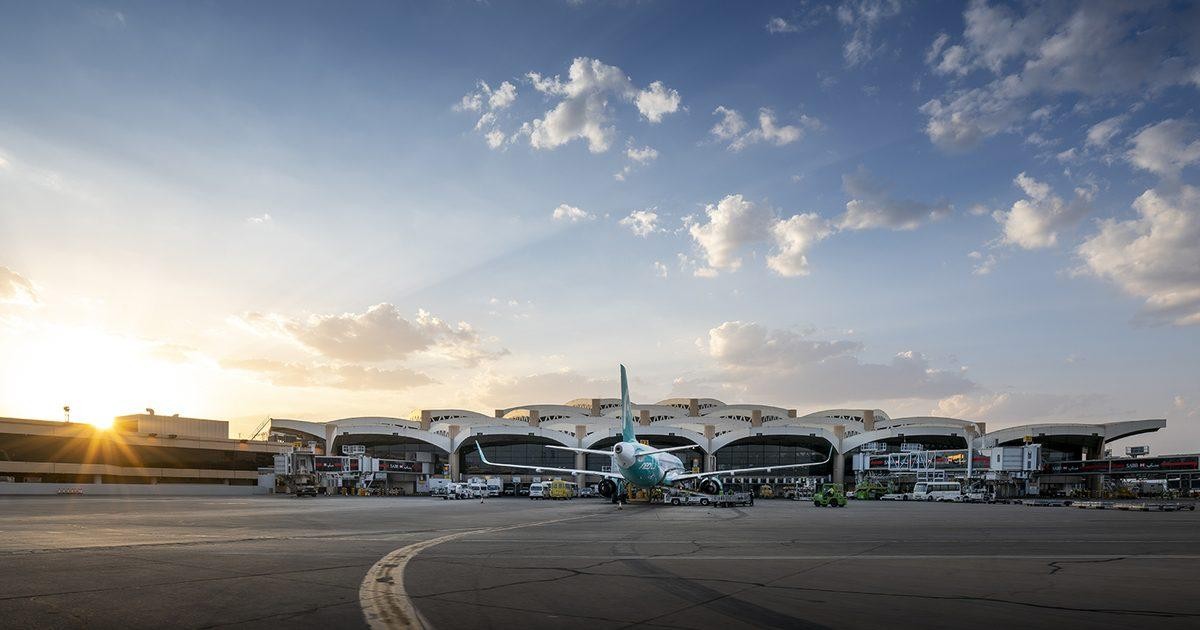
1. Houthi attack on Riyadh airport escalates Middle East tensions: One of the week's most alarming developments was the deadly attack on King Khalid International Airport in Riyadh, Saudi Arabia, on October 10. Saudi authorities reported at least 12 deaths and more than 300 injuries, making it one of the most serious attacks on the kingdom in years. Airport operations were temporarily suspended as emergency services responded to the casualties. The attack was attributed to Yemen's Iran-backed Houthi movement and represented a significant escalation in a regional conflict already threatening energy supplies and maritime security.
The incident raised fears of further retaliation by Saudi Arabia and its allies. US President Donald Trump indicated that Washington was considering whether to join Saudi strikes against the Houthis, increasing concern that the confrontation could widen.
The attack mattered beyond Saudi Arabia because the kingdom is a major oil producer and a critical player in international aviation and regional diplomacy. Any sustained escalation could disrupt travel, increase insurance costs and put additional pressure on global energy markets.
Why it mattered: The strike demonstrated how the wider Middle East conflict could spread into strategic civilian infrastructure, raising the stakes for regional governments and international powers. (Al Jazeera)
2. Ukraine war deepens as attacks hit energy infrastructure: The war between Russia and Ukraine continued to dominate international headlines as attacks on energy facilities and other civilian infrastructure intensified ahead of winter.
On October 16, the United Nations Human Rights Monitoring Mission in Ukraine reported that at least 328 civilians had been killed and 2,105 injured in September. The verified combined toll was 85 per cent higher than in September 2025. The UN also described the first two weeks of October as among the deadliest periods for civilians in years.
Attacks on Ukrainian energy infrastructure threatened electricity and heating supplies at a particularly vulnerable time. Ukrainian authorities said strikes on October 13 - 14 temporarily left approximately 600,000 people in Kyiv without electricity.
The military situation was further complicated by disagreements over an announced energy ceasefire. Russia's attacks, Ukraine's retaliatory strikes and conflicting interpretations of the proposed truce underscored the difficulty of achieving even limited de-escalation.
The humanitarian consequences extended beyond immediate casualties. Damage to electricity generation and heating systems could affect hospitals, schools, homes and essential services as temperatures fell.
Why it mattered: The conflict continued to test European security, international diplomacy and the ability of humanitarian agencies to protect civilians during a prolonged war. (United Nations)
3. Trump-Putin diesel deal fuels diplomatic controversy: Energy policy and the Ukraine conflict became even more closely linked following a controversial agreement between US President Donald Trump and Russian President Vladimir Putin concerning Russian diesel exports.
Reports published on October 10 said the arrangement would allow an initial delivery of 300,000 tonnes of diesel, with further supplies envisaged. Trump defended the move as a way to address fuel-price pressures in the United States, while Ukrainian President Volodymyr Zelenskyy warned that additional Russian energy revenue could help finance Moscow's war effort.
The agreement provoked criticism because Western governments have sought to restrict Russia's ability to fund its military campaign through energy exports. The dispute also highlighted the tension between domestic economic priorities, sanctions policy and Washington's relationship with Kyiv.
For consumers and businesses, the prospect of additional fuel supplies offered a potential route to easing price pressures. But the diplomatic costs could be considerable if the agreement weakened coordination among Ukraine's supporters.
The controversy deepened as Trump publicly criticised Zelenskyy over Ukraine's attacks on Russian energy infrastructure. Kyiv, meanwhile, faced the challenge of defending its military strategy while trying to preserve US support.
Why it mattered: The dispute showed how fuel prices, sanctions, military strategy and international alliances had become intertwined, with decisions in Washington carrying consequences for the war and global energy markets. (AP News)
4. IMF warns of global economic risks from war, debt and artificial intelligence:
Economic uncertainty was another defining theme of the week as finance ministers, central bankers and development officials gathered in Bangkok for the 2026 annual meetings of the International Monetary Fund and World Bank.
On October 16, IMF Managing Director Kristalina Georgieva called for urgent international cooperation to manage a combination of geopolitical conflict, high food and energy prices, mounting debt and rapid advances in artificial intelligence.
The IMF had raised its 2026 global growth forecast slightly to 3.1 per cent, but warned that the outlook remained vulnerable. Risks included a possible reversal of investment in artificial intelligence, financial instability and the energy shock associated with the Middle East conflict.
The discussions highlighted a growing divide between optimism about technology-driven productivity and concern about the distribution of its benefits. Advanced economies may be better placed to attract investment and adopt new technologies, while poorer countries could face rising borrowing costs and limited fiscal room to respond to crises.
For developing economies, including those in Africa, these challenges could translate into pressure on public budgets, employment, food affordability and infrastructure investment.
Why it mattered: The warnings reinforced the need for economic resilience at a time when governments were confronting several simultaneous shocks rather than a single, isolated crisis. (Reuters)
5. France faces nationwide protests over living costs and inequality: France faced renewed social unrest on October 17 as students, trade unionists and members of the Yellow Vest movement prepared to demonstrate against high living costs, inequality and concerns about deteriorating public services.
The protests followed an earlier wave of student demonstrations that began in Paris's poorer northern suburbs. Initial grievances over teacher shortages and inadequate school facilities expanded into wider demands for improved public spending and greater economic fairness.
The demonstrations presented a political challenge for President Emmanuel Macron, whose final months in office were unfolding against a backdrop of polarisation and dissatisfaction with the country's social and economic direction.
The unrest reflected a wider European problem: households struggling with the cost of essential goods and services while governments attempt to balance public spending with fiscal constraints.
France's experience also illustrated how concerns that begin in schools or workplaces can develop into broader movements questioning government priorities and economic inequality.
Why it mattered: The demonstrations highlighted the political consequences of cost-of-living pressures in one of Europe's most influential economies and raised questions about social cohesion and public confidence.
6. Gaza's humanitarian crisis worsens as winter approaches: The humanitarian situation in Gaza remained a major international concern as displaced families faced the prospect of another winter in damaged buildings and makeshift shelters.
The approaching rainy season threatened to flood tents, expose families to cold conditions and worsen already difficult living circumstances. Many residents lacked secure housing after extensive destruction during the conflict, while humanitarian assistance remained critical to their survival.
A United Nations report published on October 17 highlighted the vulnerability of families attempting to protect their shelters using whatever materials they could find. The crisis extended beyond the immediate need for food to include safe accommodation, sanitation, medical care and protection from the elements.
For humanitarian agencies, the challenge was not simply delivering emergency supplies but ensuring that assistance reached people living in overcrowded and damaged areas. Children, older people and those with disabilities faced particular risks.
The situation also renewed pressure on international actors to support humanitarian access, protect civilians and pursue a lasting political solution.
Why it mattered: Gaza's approaching winter underscored the long-term human consequences of war and the limitations of emergency relief when safe housing and essential infrastructure have been destroyed. (UN News)
7. Hurricane Isaias leaves deaths and widespread power outages in the United States: Extreme weather also featured prominently during the review period as Hurricane Isaias struck Florida's Panhandle before weakening into a post-tropical cyclone.
Reports on October 10 said at least four people had died, while approximately half a million people were left without electricity. Fallen trees, heavy rain and flooding created further hazards as the storm moved inland.
Although the system weakened, its effects illustrated how dangerous weather can continue causing damage even after a storm loses hurricane status. Power outages disrupted daily life, while flooding and debris complicated recovery efforts.
The event also highlighted the vulnerability of transport networks, homes and electricity infrastructure to extreme weather. For affected communities, restoring essential services and assessing property damage became immediate priorities.
Storms are not, by themselves, proof of climate change. Nevertheless, the increasing importance of disaster preparedness, resilient infrastructure and reliable early-warning systems remains central to international climate discussions.
Why it mattered: The storm demonstrated the economic and human costs of extreme weather and the importance of emergency planning in protecting communities from rapidly changing conditions (The Guardian)
8. Sudan's war continues to drive hunger and displacement: Sudan's protracted conflict remained a major humanitarian emergency as the United Nations Security Council considered the effects of expanding violence, drone attacks and worsening hunger.
A UN News briefing published on October 16 described continuing civilian casualties in areas including El Obeid and Blue Nile, alongside growing famine risks in Darfur and Kordofan. Diplomats faced renewed calls for a ceasefire, safe humanitarian access and an end to the flow of weapons fuelling the conflict.
The crisis has implications well beyond Sudan's borders. Displacement places pressure on neighbouring countries, while insecurity complicates food distribution, medical assistance and efforts to protect vulnerable communities.
The conflict also demonstrates the difficulty of securing international action when diplomatic initiatives fail to translate into sustained improvements on the ground.
For millions of people affected by violence and displacement, the immediate priorities remain security, food, shelter and access to essential services.
Why it mattered: Sudan illustrated the scale of the world's continuing humanitarian challenges and the gap between international calls for peace and the practical delivery of protection and assistance. (UN News)
9. WHO strengthens Ebola preparedness across 22 countries: Public-health preparedness returned to the international agenda as the World Health Organization strengthened Ebola readiness across 22 countries spanning three continents.
The initiative reflected concern about the risks posed by infectious disease outbreaks in regions affected by conflict, displacement and weaknesses in health systems. In Africa, a reported Ebola death in Kenya drew attention to the importance of domestic health financing and the ability of countries to identify and respond rapidly to emerging threats.
Preparedness measures are important because Ebola outbreaks can place extraordinary pressure on hospitals, health workers and public-health surveillance systems. Early detection, effective infection prevention, rapid contact tracing and clear communication can help prevent local outbreaks from becoming larger emergencies.
International coordination is particularly important where people cross borders for trade, work or refuge. However, sustainable preparedness also requires governments to invest in local health facilities, trained personnel and reliable reporting systems.
Why it mattered: The renewed focus on Ebola preparedness highlighted the importance of strong public-health systems and international cooperation in managing infectious disease risks before they escalate. (Global Issues)
10. World leaders prepare for COP17 biodiversity summit: Environmental protection remained an important international issue as governments prepared for the UN biodiversity conference, COP17, scheduled to begin in Yerevan, Armenia, on October 19 - just after the Week 43 review period.
Ahead of the summit, the UN Secretary-General called for stronger action to halt the destruction of nature. The central question was whether governments were doing enough to meet international biodiversity commitments and reverse the decline of ecosystems and wildlife.
A major challenge was financing. Countries need resources to protect habitats, restore degraded land, preserve species and support communities whose livelihoods depend on healthy ecosystems. The debate also concerns the responsibility of wealthier nations to help fund conservation efforts in developing countries.
Biodiversity loss is not only an environmental issue. It can affect food production, water security, public health, tourism and economic resilience. Forests, wetlands, oceans and other ecosystems provide services that are difficult and expensive to replace once damaged.
Why it mattered: The preparations for COP17 placed biodiversity financing and government accountability at the centre of international discussions about sustainable development and the future of the natural world. (Global Issues)
Conclusion: A week that exposed the world's interconnected crises
Week 43 of 2026 demonstrated how security, economic stability, humanitarian protection and environmental sustainability are increasingly interconnected.
The attack on Riyadh airport highlighted the dangers of escalating regional conflict. Developments in Ukraine reinforced concerns about civilian protection and energy security, while the Trump-Putin diesel agreement exposed competing priorities in international diplomacy. Meanwhile, the IMF's economic warnings illustrated the difficulties facing policymakers as they navigate geopolitical shocks, debt pressures and rapid technological change.
France's protests showed that domestic economic frustrations can become major political challenges. Gaza and Sudan underscored the human cost of prolonged conflict, while Hurricane Isaias and renewed Ebola preparedness highlighted the continuing importance of disaster response and public-health resilience. Preparations for COP17, meanwhile, reinforced the need for stronger international action on biodiversity.
Taken together, these stories reveal a world struggling to manage several crises at once. Their consequences will extend beyond the dates on which they made headlines, influencing government decisions, household finances, international alliances and the prospects for peace and sustainable development.
The central lesson of Week 43 is that global stability depends not only on resolving individual crises but also on building stronger systems for cooperation, resilience and the protection of human life.