Week 42 In Retrospect (October 3 - 10, 2026): Top 10 Global Headlines That Shaped the World
Explore the top 10 global headlines that shaped the world from October 3 to 10, 2026, covering international politics, conflicts, economic developments, security, technology, and other major events.
The 42nd week of 2026 brought another eventful chapter in global affairs, as political decisions, security concerns, economic pressures and technological developments continued to influence the lives of millions. From the corridors of international diplomacy to developments affecting households and businesses, the week's news highlighted how closely connected the world's major challenges have become.
This retrospective examines ten major international news developments reported during the period, October 3 - 10, 2026, with attention to their significance for governments, markets, communities and the international order.
1. Former ICC Judge Navi Pillay Wins 2026 Nobel Peace Prize: One of the week's most significant international developments was the announcement of former International Criminal Court judge and former United Nations High Commissioner for Human Rights Navi Pillay as the 2026 Nobel Peace Prize laureate.
The South African jurist was recognised on October 9 for her work promoting peace, accountability and international law. Her career has included service on international tribunals and efforts to strengthen the protection of human rights.
The award arrived amid intense international debate over the authority of international justice institutions, particularly the ICC and its investigations involving senior political and military figures. It also drew criticism from Israeli officials because of Pillay's role in a United Nations inquiry into the Gaza conflict.
The recognition renewed attention to a central question in global affairs: whether international legal institutions can hold powerful actors accountable when geopolitical interests are at stake.
Pillay dedicated the award to survivors of international crimes and those defending international justice. The announcement was therefore more than an individual achievement; it became a prominent symbol of the continuing struggle over human rights and the rule of law.
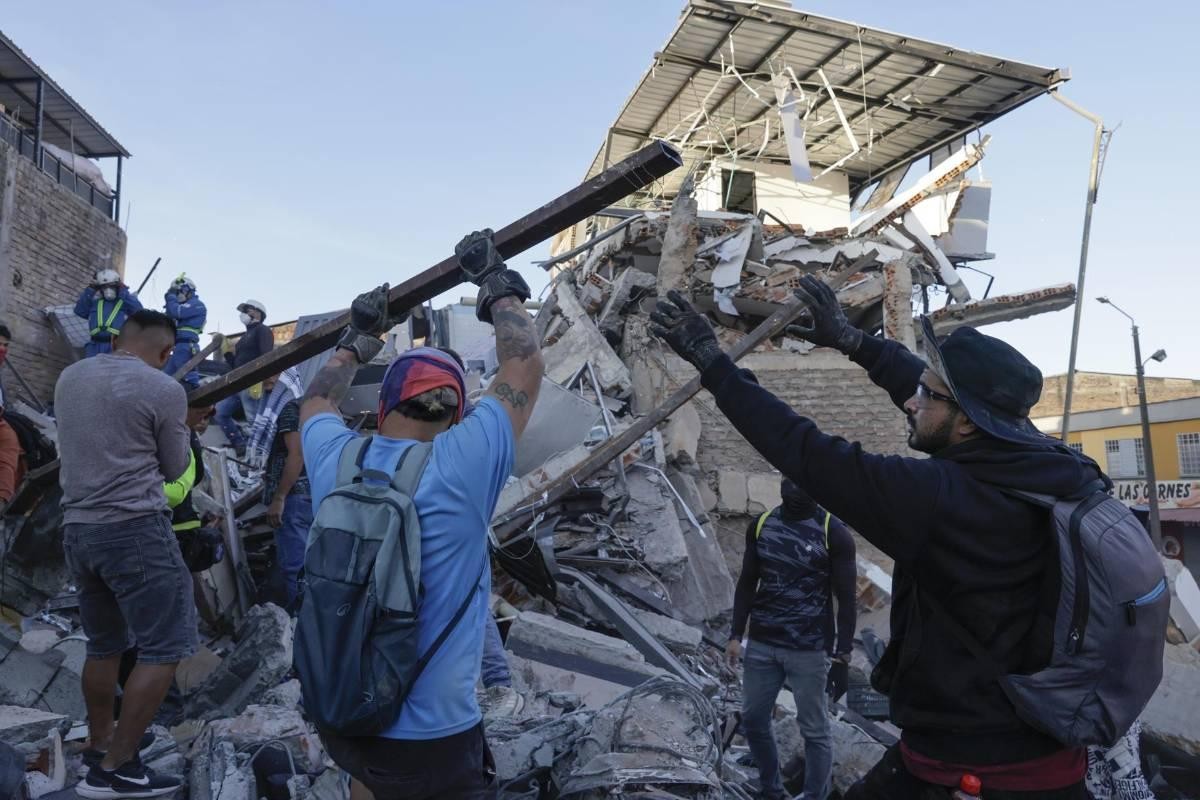
2. Powerful Earthquakes Shake Panama, Triggering a State of Emergency: Panama faced a major natural disaster after two powerful earthquakes struck on October 9, prompting emergency measures and widespread concern about infrastructure damage.
The tremors, reported at magnitudes of 7.7 and 6.6, were followed by numerous aftershocks. Authorities declared a state of emergency on October 10 as damage assessments continued across the country, including in central provinces and Indigenous territories.
Buildings, homes, schools, churches and bridges were among the structures reported damaged. At the time of the initial reports, officials had recorded injuries but attributed no deaths to the earthquakes. The full extent of the destruction remained uncertain as emergency teams assessed affected communities.
The Panama Canal continued operating, an important development for international commerce because the waterway is a critical route connecting the Atlantic and Pacific oceans. Nevertheless, damage to roads and other infrastructure threatened local transport and relief operations.
The disaster highlighted the continuing importance of earthquake-resistant construction, emergency preparedness and rapid international assistance. It also demonstrated how a natural disaster can threaten communities and infrastructure central to regional and global economic activity.
Source: Associated Press — Panama declares a state of emergency after powerful earthquakes.
3. Yemen Conflict Escalates as Houthi Attacks Threaten Saudi Arabia: The deteriorating security situation in Yemen remained one of the week's most consequential regional stories, as Houthi attacks and counteroffensives heightened fears of a broader Middle Eastern crisis.
The United Nations reported intensified fighting between Iran-backed Houthi forces and Saudi-backed government forces. Cross-border missile and drone attacks reportedly targeted Saudi airports and energy infrastructure, raising concerns about civilian safety and the security of critical economic assets.
Government forces also reported advances against the Houthis, including efforts to regain territory around the strategically important port city of Mocha. Meanwhile, fighting around Taiz added to the humanitarian emergency.
The conflict's consequences extended beyond military positions. Displacement increased, while humanitarian organisations warned of worsening hunger, cholera and risks to children. More than 200,000 people were reported displaced amid the escalation described by the UN.
The crisis carries wider implications because Yemen lies near vital Red Sea shipping routes. Any sustained disruption could increase maritime insurance costs, complicate international trade and place additional pressure on already vulnerable supply chains.
Diplomatic efforts to contain the fighting therefore remained essential, particularly as regional rivalries risked turning Yemen's longstanding conflict into a wider confrontation.
Sources: UN News — Security Council focuses on Yemen as Houthi attacks escalate; Reuters World News, October 8.
4. Trump's Russian Diesel Deal Draws Criticism From Ukraine: Energy diplomacy became another major international talking point after US President Donald Trump praised Russian President Vladimir Putin over an agreement intended to return Russian diesel to American and global markets.
The announcement, reported by Reuters on October 10, drew criticism from Ukraine, which has repeatedly called for international pressure on Moscow over its war against Kyiv.
The development highlighted the tension between energy-market considerations and geopolitical strategy. Allowing additional Russian fuel supplies into international markets could influence availability and prices, particularly when governments are concerned about fuel costs and energy security.
For Washington, the prospect of additional supplies raises questions about balancing market stability with its relationship with Ukraine and its broader approach to Russia. For Kyiv, any arrangement that eases restrictions on Russian energy exports risks weakening the economic pressure intended to constrain Moscow's ability to sustain its military campaign.
The debate also underlined the continuing role of oil and refined petroleum products in international diplomacy. Energy agreements can have consequences far beyond commercial transactions, affecting alliances, government revenues and the strategic calculations of countries involved in conflict.
Source: Reuters — Delhi protests, Trump's Russia diesel deal and Panama earthquake.
5. Delhi Faces Lockdown Ahead of Major Anti-Government Protest: Political tensions intensified in India after authorities imposed restrictions in New Delhi following the detention of a youth protest leader ahead of a major anti-government demonstration.
The incident placed questions about public assembly, political expression and government responses to opposition movements at the centre of attention. Security restrictions in a capital city can have immediate consequences for transport, commerce and residents, while also attracting international scrutiny.
The protest episode reflected the broader challenge facing governments attempting to maintain public order while responding to citizens demanding political change or accountability.
The circumstances surrounding the planned demonstration, the authorities' handling of the detained organiser and the scale of public reaction were important factors in determining how the confrontation might develop.
The episode also reinforced the growing influence of youth-led mobilisation in political debate. Across many countries, younger citizens have increasingly used demonstrations and digital communication to challenge government decisions and demand change.
Source: Reuters — October 10 global news briefing.
6. G7 Releases Emergency Oil Reserves as Fuel Prices Soar: Energy security returned to the international agenda as the Group of Seven reportedly released emergency oil reserves amid rising fuel prices.
The move, highlighted in Reuters' October 3 global news briefing, reflected concern about the ability of supply disruptions and geopolitical tensions to translate into higher energy costs for consumers and businesses.
Strategic petroleum reserves are designed to provide a temporary buffer when supplies are interrupted or markets experience severe stress. By making additional oil available, governments can seek to reduce shortages and moderate sudden price increases, although the impact depends on the volume released, market expectations and the underlying causes of the disruption.
Higher oil prices can affect transport, manufacturing, agriculture and electricity generation. For countries dependent on imported petroleum products, rising costs can also worsen inflation, weaken household purchasing power and put pressure on public finances.
The G7 development was particularly significant against the background of conflict-related risks and uncertainty surrounding international energy trade. It demonstrated that even major industrial economies remain vulnerable to disruptions in global commodity markets.
For developing economies, including those in Africa, the implications are especially important because expensive fuel can raise the cost of moving goods, operating businesses and delivering essential services.
Source: Reuters World News — October 3 briefing on Kyiv bridge strikes and emergency oil reserves.
7. Russia Strikes Kyiv Infrastructure as Ukraine Intensifies Retaliatory Operations: The war between Russia and Ukraine continued to shape European security during Week 42, with renewed attacks on infrastructure reinforcing fears that the conflict would remain prolonged.
Reuters reported Russian strikes against another major bridge in Kyiv in its October 3 news briefing. Subsequent reporting also highlighted Ukrainian efforts to target Russian energy infrastructure, including oil refineries and a major data centre.
These developments illustrated the increasingly interconnected nature of modern warfare. Bridges and transport links are essential to civilian movement and logistics, while refineries provide fuel that supports both the economy and military operations. Digital infrastructure, meanwhile, is central to communications and business continuity.
Attacks on such facilities can impose costs well beyond the immediate battlefield. They may disrupt supply chains, affect electricity and fuel availability, complicate humanitarian operations and increase the expense of reconstruction.
The escalation also carried diplomatic implications. As both sides sought to weaken the other's strategic capacity, the prospects for a negotiated settlement remained closely tied to military calculations and international political pressure.
For European governments, the war continued to raise difficult questions about defence spending, energy security, support for Ukraine and the long-term stability of the continent.
Reuters World News — October 3; The Guardian — October 10 world news.
8. Spain Calls Snap Election Amid Housing Crisis and Political Uncertainty: Spain entered a consequential political period after Prime Minister Pedro Sánchez called a snap general election for November 29, 2026.
The decision followed parliament's rejection of housing reform proposals at a time when housing affordability had become a major public concern. Protests over the cost of accommodation added pressure on the government, while opposition parties sought to turn dissatisfaction into electoral support.
Sánchez's decision represented a political gamble. An early election could provide his Socialist Party with a stronger parliamentary mandate, but it also risked ending one of Europe's remaining left-leaning governments if opposition forces prevailed.
The housing dispute illustrated how domestic economic pressures can reshape national politics. Rising housing costs affect household budgets, influence where people can live and work, and intensify generational divisions between property owners and those struggling to enter the housing market.
The election also carried significance beyond Spain. European politics has been marked by growing competition between mainstream parties and right-wing movements, with economic anxiety and public dissatisfaction shaping electoral outcomes.
The November vote therefore promised to be a test of the Spanish government's ability to regain public confidence and of the broader political direction of the country.
Source: Reuters — Spain's Sánchez calls snap election after housing protests.
9. Hurricane Isaias Threatens Florida and the US Gulf Coast: The United States faced another serious weather threat as Hurricane Isaias made landfall in Florida, prompting emergency declarations across several states.
Reporting by The Guardian on October 10 indicated that Florida, Mississippi and Alabama were among the states whose governors declared emergencies as authorities prepared for potentially dangerous conditions.
Hurricanes can produce destructive winds, storm surges, flooding and prolonged disruptions to electricity, transport and communications. Even where the strongest winds are concentrated in a limited area, heavy rainfall can cause damage far inland, putting residents and critical infrastructure at risk.
Emergency declarations enable state authorities to mobilise resources, coordinate responses and prepare for evacuations where necessary. The effectiveness of such measures depends on timely warnings, public compliance and the availability of emergency services.
The storm also highlighted the economic consequences of extreme weather. Damage to homes, roads, businesses and public infrastructure can generate substantial recovery costs, while disruptions to agriculture and transport may affect supply chains.
For communities along the Gulf Coast, preparedness remained essential as officials worked to limit casualties and protect vulnerable residents.
Source: The Guardian — World news, October 10, 2026.
10. UNICEF Warns of El Niño Threat to More Than 347 Million Children: Climate risks emerged as another major global concern after UNICEF warned that the anticipated 2026–2027 El Niño cycle could threaten the education, health and safety of more than 347 million children worldwide.
The warning, published on October 9 by Inter Press Service, highlighted the possibility of extreme weather conditions involving unusually wet and dry periods.
El Niño is a natural climate phenomenon associated with changes in Pacific Ocean temperatures that can influence weather patterns across different regions. Its effects vary geographically, potentially contributing to drought in some locations and heavier rainfall or flooding in others.
For children, these conditions can threaten access to clean water, adequate nutrition, healthcare and education. Drought may undermine agricultural production and household incomes, while floods can damage schools, destroy homes and force families to leave their communities.
The warning also raised questions about the preparedness of governments and humanitarian organisations. Early-warning systems, climate-resilient infrastructure, emergency food supplies and reliable access to healthcare can help reduce the impact of extreme weather.
The issue is particularly important for vulnerable communities in Africa and other developing regions, where limited infrastructure and financial resources can make recovery more difficult.
UNICEF's warning served as a reminder that climate-related risks are not merely environmental concerns; they are also questions of public health, education, economic stability and child protection.
Source: Inter Press Service — UNICEF warns El Niño threatens education, health and safety for millions.
Conclusion: A Week of Geopolitical Tension, Political Change and Global Risk
Week 42 demonstrated how developments across different continents can influence the wider international environment. From Navi Pillay's Nobel Peace Prize and the renewed debate over international justice to the escalating Yemen conflict and continuing Russia - Ukraine war, questions of accountability, security and diplomacy remained central to global affairs.
The Panama earthquakes and Hurricane Isaias highlighted the immediate dangers posed by natural disasters, while UNICEF's El Niño warning underscored the longer-term challenges facing vulnerable communities. Meanwhile, oil-market interventions and the controversy surrounding Russian diesel supplies demonstrated the continuing influence of energy security on international relations.
Spain's snap election announcement and the protests in India showed how domestic political pressures can generate developments with wider international significance.
Taken together, these ten stories illustrate a world navigating competing demands: the pursuit of peace amid conflict, economic stability amid market uncertainty, political legitimacy amid public dissatisfaction, and resilience amid environmental threats.
As the world moved beyond October 10, the consequences of these developments remained unfolding stories rather than settled outcomes. Their lasting significance would depend on the decisions taken by governments, international institutions and communities in the days and weeks ahead.
Editorial note: This retrospective is based on reporting published during the specified period and immediately afterward where necessary to establish the consequences of events. The ten headlines are an editorial selection of prominent international developments, not a statistically measured ranking of global news coverage.