Week 34 In Retrospect (Aug 10 – Aug 16): Top 10 Global Headlines That Shaped the World
From Gaza peace efforts and Ukraine’s escalating drone war to Zambia’s election, devastating earthquakes in Colombia and Indonesia, and fresh US trade tensions, here are the top 10 global stories that dominated Week 34 of 2026.
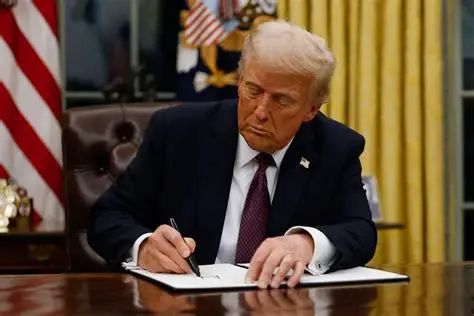
The week of August 10–16, 2026, was marked by intensifying geopolitical tensions, devastating natural disasters, elections, economic uncertainty and renewed diplomatic efforts in some of the world's most volatile regions.
From the Middle East to Africa, Europe, Asia and the Americas, the week's headlines underscored how quickly local crises can acquire global consequences. These are the top 10 global stories that shaped the news cycle during Week 34.
1. Trump’s Gaza Peace Plan Faces Major Setback: The Israeli-Palestinian conflict again dominated international headlines after US President Donald Trump’s proposed 15-point plan for Gaza ran into strong opposition from Israeli Prime Minister Benjamin Netanyahu.
The proposal calls for Hamas to disarm while Israel withdraws from Gaza, followed by reconstruction and the establishment of a civilian Palestinian administration. Hamas has indicated support for the broad framework, but Netanyahu has rejected any Israeli withdrawal before Hamas is completely disarmed.
The disagreement exposed a significant divide between Washington and the Israeli government, even as US officials insisted that negotiations remained alive.
By the weekend, Trump's envoys were in Cairo meeting Egyptian, Qatari and Turkish mediators, with Hamas representatives also involved in discussions. Yet Israeli airstrikes continued, highlighting the enormous gap between diplomacy and events on the ground. (Reuters)
2. Ukraine-Russia War Intensifies with Major Drone Strikes: The Russia-Ukraine war remained another major international flashpoint as both sides continued attacks deep behind enemy lines.
Ukraine launched drone attacks against the Moscow region on August 16, with Russian officials reporting casualties and damage. Russia, meanwhile, launched another wave of attacks against Ukraine, including strikes that killed people at a steel plant. (Reuters)
The escalation demonstrated that, despite continuing diplomatic discussions surrounding the war, neither side appeared ready to abandon military pressure.
The conflict also continued to damage Ukraine's economy and infrastructure, with Russian attacks destroying businesses and civilian assets. Reuters reported that millions of books were destroyed in one Russian strike, illustrating the wider cultural and economic cost of the war. (Reuters)
3. Zambia Holds Closely Watched Presidential Election: Zambia went to the polls on August 13 in a presidential, parliamentary and local election that attracted considerable regional and international attention.
President Hakainde Hichilema sought another term amid debate over Zambia's economic recovery and the government's management of the country's debt crisis.
By August 16, Hichilema was leading the presidential count, with results from 105 of 226 constituencies showing him above the 50% threshold required to avoid a runoff. However, the process was clouded by reports of violence and interruptions to vote counting. (Reuters)
The election was significant beyond Zambia because the country is strategically important in southern Africa and plays a major role in the continent's copper industry and regional diplomacy.
4. Powerful Earthquake Devastates Colombia: A 7.4-magnitude earthquake that struck western Colombia on August 10 became one of the week's deadliest disasters.
By August 15–16, the death toll had climbed to around 290, with hundreds more people missing and thousands injured. Rescue teams continued searching through collapsed buildings in cities including Cali and Pereira, although hopes of finding survivors were diminishing. (Reuters)
The earthquake caused widespread damage to homes, hospitals, schools and other infrastructure.
The scale of the destruction placed enormous pressure on Colombia's newly inaugurated government, while communities across the country mobilised to provide food, medical assistance and other relief.
5. 7.7-Magnitude Earthquake Strikes Indonesia: Before the world could absorb the scale of Colombia's disaster, another devastating earthquake struck eastern Indonesia.
A 7.7-magnitude earthquake hit the East Nusa Tenggara region, killing dozens of people and forcing thousands from their homes. Reuters reported that at least 53 people had died by August 16, while more than 3,500 military and police personnel were deployed for rescue and recovery operations. (Reuters)
Landslides, damaged roads and aftershocks complicated the rescue effort. A temporary tsunami warning was also issued following the earthquake.
Indonesia's location along the Pacific Ring of Fire makes it particularly vulnerable to major earthquakes and volcanic activity.
6. Trump Orders Reduction in US-South Korea Military Exercises: US President Donald Trump instructed the Pentagon to substantially reduce joint military exercises with South Korea, generating questions about the future of America's security commitment in East Asia.
The exercises have historically been an important part of preparations for a possible conflict with North Korea. Trump's decision therefore attracted attention in Seoul and elsewhere in Asia, particularly because North Korea's nuclear and missile programmes remain a major regional security concern. (Reuters)
The announcement added another layer to a rapidly changing US foreign-policy landscape, in which Washington's traditional alliances are increasingly being reassessed.
7. US Tariff Pressure Continues to Shake Global Trade: Trade tensions remained a major economic story during the week as countries continued negotiating with Washington over tariffs.
Canada, for example, was racing against an August 19 deadline for a potential trade agreement with the United States, while officials acknowledged significant differences remained between the two sides.
Brazil also moved toward a reciprocity process in response to US tariffs, describing Washington's measures as unjustified. (Free Malaysia Today)
Meanwhile, the White House said the United States could be losing between $19 billion and $26 billion annually in tariff revenue because of goods being routed through third countries to avoid duties. (Reuters)
The continuing tariff dispute is affecting investment decisions, supply chains and the outlook for global economic growth.
8. China-Taiwan Tensions Remain High: Relations between China and Taiwan remained tense as Taiwan continued major military exercises designed to test its ability to respond to a potential attack.
China's defence ministry dismissed Taiwan's annual Han Kuang exercises as a “wasteful charade,” accusing Taipei of increasing tensions and stoking fears of war. (Reuters)
The confrontation matters well beyond the Taiwan Strait because any military conflict there could disrupt semiconductor production, global shipping and international trade.
The United States' broader military posture in Asia also came under scrutiny during the week following Trump's decision to reduce exercises with South Korea.
9. Taliban Marks Five Years Back in Power: August 15 marked five years since the Taliban returned to power in Afghanistan following the collapse of the US-backed government and the withdrawal of foreign forces.
Taliban leaders celebrated the anniversary in Kabul, presenting their rule as a period of restored sovereignty and security. But aid agencies and rights organisations painted a much darker picture, pointing to humanitarian pressures, restrictions on women and girls, drought and economic hardship. (Reuters)
The Taliban government remains largely unrecognised internationally, although it has developed diplomatic and economic relationships with several countries.
Five years after the dramatic fall of Kabul, Afghanistan remains a major test of the international community's ability to balance engagement, humanitarian assistance and pressure over human rights.
10. Zimbabwe Lake Kariba Boat Disaster Claims Dozens: Africa also suffered a major tragedy during Week 34 after a boat capsized on Lake Kariba in Zimbabwe on August 11.
The vessel was carrying dozens of passengers when it overturned, triggering a major search-and-rescue operation. The death toll continued to rise throughout the week as more bodies were recovered.
By August 16, Zimbabwean authorities said 80 people had died in the disaster. (Reuters)
The tragedy became one of Africa's most closely followed humanitarian stories of the week and raised renewed questions about passenger safety, overcrowding and emergency preparedness on major inland waterways.
A Week Defined by Conflict, Crisis and Uncertainty
Week 34 of 2026 demonstrated once again how interconnected the world's major crises have become.
The Gaza peace initiative showed the difficulty of translating diplomacy into a durable settlement. The continuing Russia-Ukraine attacks reinforced concerns about the longevity of Europe's largest modern war. Elections in Zambia highlighted the importance of democratic stability in Africa, while catastrophic earthquakes in Colombia and Indonesia demonstrated the devastating power of natural disasters.
At the same time, trade disputes, US alliance policies and China-Taiwan tensions pointed to a broader transformation in global geopolitics.
Perhaps the clearest lesson from August 10 - 16 was that the world's major challenges are increasingly interconnected: security affects trade, climate and disasters affect economies, and domestic political decisions can have consequences far beyond national borders.
As Week 35 begins, attention will turn to whether diplomatic efforts in Gaza can make progress, how the war in Ukraine evolves, the outcome of Zambia's election, and the continuing humanitarian response to disasters across Asia and Latin America.