Week 32 in Retrospect (July 26 - August 2, 2026): Top 10 Global Headlines That Shaped the World
A comprehensive roundup of the top 10 global headlines that dominated world news between July 26 and August 2, 2026, including geopolitical tensions, natural disasters, sports, economic developments, and international diplomacy.
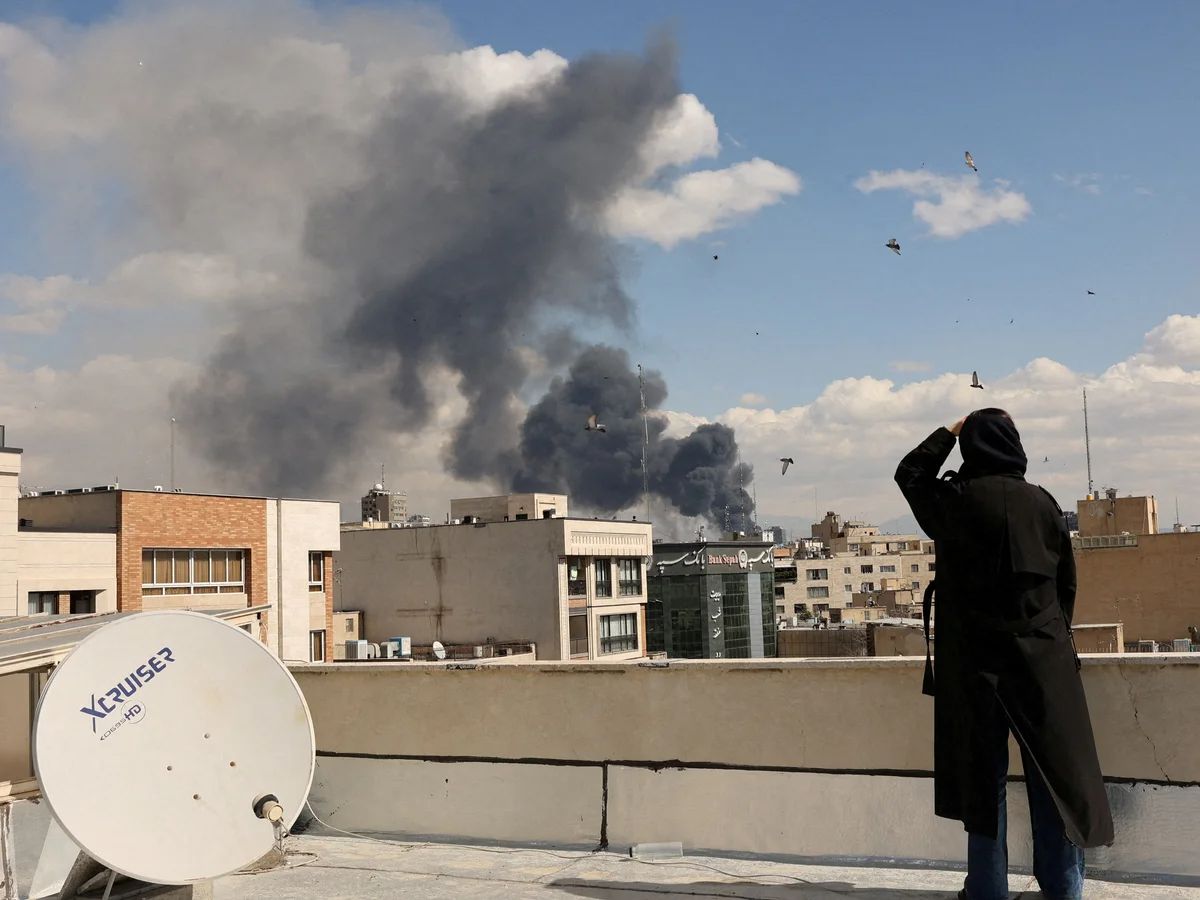
The final week of July and the opening days of August delivered another whirlwind of events across politics, diplomacy, security, climate, sports and the global economy. From continuing tensions in the Middle East and devastating wildfires in Europe to landmark sporting achievements and major economic developments, the week underscored how interconnected today's world has become.
Here are the Top 10 stories that defined the global news agenda between July 26 and August 2, 2026.
1. Middle East Conflict Continues to Dominate Global Attention: The conflict involving Iran, Israel and the United States remained the world's biggest geopolitical story. Although reports suggested diplomatic contacts were taking place through Omani mediators, no comprehensive ceasefire or peace agreement had been reached.
International concerns remained focused on shipping through the Strait of Hormuz, regional security and humanitarian conditions across several conflict zones. The United Nations continued to call for restraint as civilian casualties mounted in affected areas. (Al Jazeera)
2. Europe Battles Intensifying Wildfires: Extreme temperatures and prolonged drought triggered severe wildfires across southern Europe.
Greece experienced one of its toughest firefighting operations of the year after multiple fires threatened communities west of Athens. Emergency services deployed aircraft and thousands of firefighters as evacuations continued in several regions.
Scientists warned that increasingly frequent heatwaves are making Europe's wildfire seasons longer and more destructive. (CBS News)
3. Glasgow 2026 Commonwealth Games Conclude Successfully: The 2026 Commonwealth Games in Glasgow came to a successful close on August 2 after nearly two weeks of competition.
Australia finished as the dominant nation on the medals table, with outstanding performances in swimming, athletics and cycling. Several Games records were broken, while smaller nations also celebrated historic medal achievements.
The event was widely praised for its compact organization and sustainable approach despite earlier concerns over funding and logistics. (The Australian)
4. Global Markets Watch Inflation, Oil and Central Banks: Financial markets spent the week digesting corporate earnings, inflation expectations and the outlook for monetary policy.
Oil prices experienced sharp movements amid uncertainty surrounding Middle East developments and expectations of increased production from OPEC+ producers.
Investors also focused on upcoming employment reports and inflation figures expected to influence future interest-rate decisions in major economies including the United States, China and India. (Financial Times)
5. Humanitarian Crisis Deepens Across Conflict Zones: International humanitarian agencies warned that civilian suffering continued to worsen in Gaza, Lebanon and parts of the West Bank.
The United Nations renewed calls for immediate protection of civilians and unrestricted humanitarian access, emphasizing that continued violence was placing millions of lives at risk.
Aid organizations also warned of growing shortages of food, medicine and essential services. (Global Issues)
6. Climate Change Takes Centre Stage: Climate remained one of the week's defining themes beyond Europe's wildfires.
Experts warned that smoke from large-scale forest fires poses increasing long-term health risks, while several countries continued to experience extreme weather events ranging from drought to flooding.
Environmental organizations argued that governments must accelerate investments in climate adaptation and disaster preparedness as weather extremes become more frequent. (Global Issues)
7. Corporate Earnings Season Shapes Global Business News: Major multinational companies released quarterly earnings that offered fresh insight into the health of the global economy.
Technology companies remained under scrutiny over their heavy investments in artificial intelligence, while investors assessed profitability across banking, telecommunications, manufacturing and consumer sectors.
Analysts noted that despite geopolitical uncertainty, many firms continued to post resilient financial results, though concerns over slowing global demand persisted. (Financial Times)
8. Migration and Border Security Return to the Headlines: Migration remained a pressing international issue after renewed pressure on several border regions.
European authorities continued responding to migration flows while governments debated tougher immigration measures alongside humanitarian obligations.
The developments reignited broader discussions about refugee protection, border management and international cooperation. (CBS News)
9. Global Diplomacy Intensifies: Diplomatic engagements accelerated during the week as governments sought to ease geopolitical tensions and strengthen economic partnerships.
Preparations also gathered pace for several major international meetings scheduled later in August, with world leaders expected to discuss global security, economic recovery, technology and climate cooperation.
Analysts viewed these diplomatic efforts as increasingly important amid multiple overlapping international crises. (The Economic Times)
10. Public Safety and Disaster Response Remain in Focus: Several countries dealt with major emergencies ranging from ferry accidents and severe storms to large-scale evacuations caused by natural disasters.
Governments continued investing in emergency response systems while experts highlighted the growing need for better disaster preparedness as climate-related events become more frequent and severe.
The week served as another reminder that resilience planning has become a global priority. (CBS News)
A Week That Reflected a Changing World
Week 32 highlighted the increasingly interconnected nature of global affairs. Geopolitical conflicts influenced energy markets; climate disasters affected economies and public health; sporting achievements united nations; and diplomatic efforts underscored the importance of international cooperation.
The continuing Middle East crisis remained the dominant global story, shaping discussions on security, oil prices and humanitarian relief. Meanwhile, Europe's wildfire emergency reinforced growing concerns over climate change and disaster resilience.
On a more positive note, the Glasgow Commonwealth Games showcased the power of sport to foster unity and celebrate excellence, providing moments of inspiration amid an otherwise challenging news cycle.
As August begins, world leaders face mounting pressure to address persistent conflicts, stabilise economies, respond to climate emergencies and strengthen international collaboration. The coming weeks are expected to bring further developments on several of these defining issues, ensuring that the global news agenda remains as dynamic as ever.