Week 31 In Retrospect (July 19 - July 25): Top 10 Global Headlines That Shaped the World
From escalating Middle East tensions and Ukraine-Russia developments to climate disasters, major diplomatic shifts, economic battles, and global sporting moments, here are the top 10 international headlines that dominated the world between July 19 and July 25.
The third week of July witnessed a whirlwind of geopolitical tensions, military confrontations, climate emergencies, economic uncertainty, and landmark diplomatic developments that captured global attention.
From renewed conflict involving the United States and Iran to devastating wildfires across several continents, governments and international organizations faced mounting pressure to respond to rapidly evolving crises. Meanwhile, the world also celebrated sporting excellence and watched major political developments unfold across several regions.
Here are the Top 10 stories that shaped the world between July 19 and July 25.
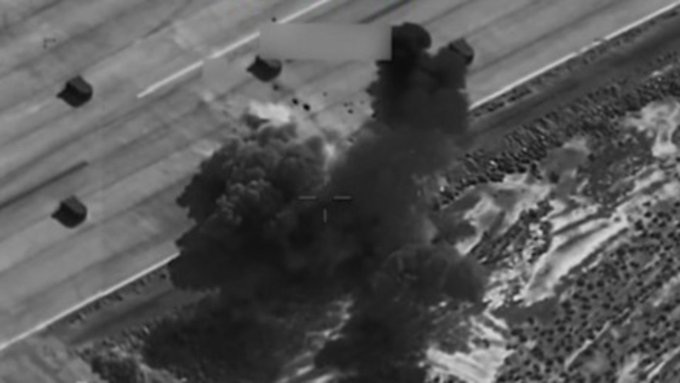
1. US-Iran Tensions Escalate as Gulf Security Concerns Deepen: The Middle East remained the world's biggest flashpoint during the week as hostilities involving the United States and Iran intensified.
Fresh military exchanges and proxy attacks across the Gulf region have heightened fears of a broader regional conflict. Several governments urged restraint as concerns mounted over possible disruptions to global oil supplies and maritime trade through the Strait of Hormuz.
Energy markets reacted nervously, with crude oil prices remaining volatile amid fears that prolonged instability could affect global inflation and economic recovery.
The developments once again placed the Gulf at the center of international diplomatic attention.
2. Russia Intensifies Missile and Drone Assaults on Ukraine: Russia continued launching large-scale missile and drone strikes on multiple Ukrainian cities throughout the week.
Civilian infrastructure, residential buildings and energy facilities remained among the primary targets, while Ukrainian air defence systems intercepted many incoming projectiles.
The renewed attacks prompted additional military assistance from Western allies, with NATO members reiterating support for Kyiv.
The war remained one of the defining global security issues as diplomatic efforts to end the conflict showed little progress. (Facebook)
3. Climate Crisis Fuels Devastating Wildfires Across Multiple Continents: Extreme weather once again dominated global headlines.
Massive wildfires swept through parts of Europe, North America and other regions as prolonged heatwaves created dangerous fire conditions.
Thousands of residents were forced to evacuate while firefighters battled multiple blazes simultaneously.
Scientists continued warning that rising global temperatures are increasing the frequency and intensity of such disasters, renewing calls for stronger climate action ahead of upcoming international climate meetings. (The Guardian)
4. Global Markets React to Rising Geopolitical Risks: Financial markets experienced another week of uncertainty.
Investors monitored developments in the Middle East alongside concerns over global trade and inflation.
Oil prices fluctuated sharply, while stock markets recorded mixed performances amid fears that prolonged geopolitical instability could weaken economic growth.
Central banks also remained under pressure as policymakers balanced inflation with slowing economic activity.
5. Diplomatic Activity Intensifies Across the Middle East: Several high-level diplomatic engagements dominated international politics during the week.
Efforts focused on regional security, Lebanon's future stability, the influence of armed groups, and broader peace initiatives involving key international partners.
The diplomatic meetings highlighted growing international concern over maintaining stability across the region amid continuing military tensions. (Financial Times)
6. India's Youth-Led Protest Movement Gains Global Attention: India witnessed one of its most significant protest movements in recent years.
The so-called "Cockroach" protests, initially triggered by anger over examination paper leaks and youth unemployment, evolved into a broader national movement demanding accountability and reforms.
Mass demonstrations eventually contributed to major political pressure, including the resignation of India's Education Minister.
The protests highlighted growing frustration among young people over corruption, employment opportunities and governance. (The Guardian)
7. International Community Pushes for Renewed Ukraine Peace Talk: Despite ongoing fighting, diplomatic efforts aimed at restarting peace negotiations between Russia and Ukraine gained momentum during the week.
Several countries encouraged renewed dialogue while international organizations continued advocating humanitarian access and civilian protection.
Although expectations remained cautious, the discussions represented another attempt to reduce hostilities after months of continued conflict. (Facebook)
8. Global Trade and Tariff Disputes Continue to Worry Businesses: Trade tensions remained another major international concern.
Discussions surrounding new tariffs, export controls, and restrictions involving major economies continued influencing global supply chains.
Businesses closely monitored developments affecting manufacturing, technology exports and international commerce as governments reassessed strategic trade relationships.
Economists warned that prolonged uncertainty could slow global investment and economic growth. (Financial Times)
9. FIFA World Cup Legacy Continues to Generate Global Discussion: Although the FIFA World Cup had concluded, its impact remained one of the week's major talking points.
Football analysts continued examining tactical innovations, player performances, commercial success and the tournament's broader influence on the sport.
Attention also focused on hydration-break policies, emerging young stars and preparations for upcoming international competitions.
The tournament reinforced football's unmatched global appeal while providing significant economic benefits for host cities. (arXiv)
10. International Sports Deliver More Historic Moments: Away from football, global sport produced several memorable stories.
The World Matchplay Darts Championship concluded with Luke Littler successfully defending his title, further cementing his status among the sport's brightest stars.
Preparations also gathered pace for the upcoming Commonwealth Games in Glasgow, with athletes from around the world finalising their readiness for one of the biggest multi-sport events of the year. (The Sun)
The Bigger Picture
Week 31 demonstrated how interconnected today's world has become.
Military conflicts in Eastern Europe and the Middle East continued influencing global energy markets and international diplomacy. Climate disasters reminded governments that environmental challenges remain an urgent global priority.
At the same time, domestic political developments in countries such as India showed how internal governance issues can quickly attract international attention.
Meanwhile, trade disputes and economic uncertainty reinforced concerns that geopolitical competition is increasingly shaping the global economy.
Sport, as always, provided moments of unity and celebration amid an otherwise turbulent international landscape.
As July drew to a close, world leaders faced growing pressure to address security concerns, economic instability and climate change while pursuing diplomatic solutions to some of the world's most difficult conflicts.