Week 24 in Retrospect (June 21 - 27, 2026): Top 10 Global Headlines That Shaped the World
From the expanding 2026 FIFA World Cup and escalating Middle East tensions to deadly terror attacks, major political developments and landmark court rulings, here are the top 10 global news stories that dominated headlines between June 21 and June 27, 2026.
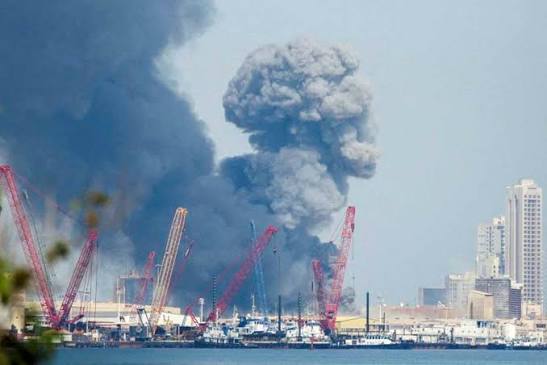
The week of June 21 - 27, 2026, was marked by significant geopolitical developments, deadly security incidents, sporting milestones and political controversies that captured global attention. Conflicts continued to dominate international affairs, while several countries grappled with domestic political and security challenges. Meanwhile, the 2026 FIFA World Cup delivered memorable moments as nations battled for a place in football history.
Below is a retrospective of the ten biggest global headlines that defined Week 24.
1. June 21 - Israel-Iran Tensions Deepen Despite Diplomatic Pressure: The Middle East remained at the centre of global attention as tensions between Israel and Iran intensified despite mounting international calls for de-escalation. Fresh military exchanges, diplomatic accusations and growing concerns over regional stability prompted emergency consultations among world powers.
The United Nations, European Union and several regional governments urged restraint, warning that any further escalation could destabilize global energy markets and widen the conflict across the Middle East.
The crisis also affected international shipping routes and increased fears of disruptions in global oil supplies.
2. June 22 - Pakistan Launches Cross-Border Airstrikes into Afghanistan: Pakistan carried out airstrikes against suspected militant positions inside Afghanistan, claiming the operation targeted armed groups responsible for cross-border attacks.
Afghan authorities condemned the strikes as a violation of national sovereignty and reported dozens of casualties, including civilians.
The incident further strained already fragile diplomatic relations between Islamabad and the Taliban-led government while drawing international concern over renewed instability along one of Asia's most volatile borders.
3. June 22 - South Korea Jails Former Justice Minister Cho Kuk: South Korea's judiciary made headlines after former Justice Minister Cho Kuk was imprisoned following his conviction in a high-profile corruption case involving academic fraud and abuse of influence.
The case had dominated South Korean politics for years and became symbolic of broader public demands for transparency and accountability among senior public officials.
The ruling reinforced the country's commitment to judicial independence regardless of political status.
4. June 23 - UK Announces Mandatory Registration for Foreign Influence Activities: British Prime Minister Keir Starmer announced the implementation of a new Foreign Influence Registration Scheme designed to strengthen national security and improve transparency regarding foreign political influence.
The legislation requires individuals acting on behalf of foreign governments or entities to register their activities with authorities.
Government officials said the measure aims to safeguard Britain's democratic institutions from covert external interference.
5. June 24 - Germany Mourns After Deadly Shooting at Stade Youth Centre: A mass shooting at a youth centre in Stade, northern Germany, left five people dead and several others injured.
Police launched a large-scale manhunt while investigators worked to determine the motive behind the attack.
The tragedy reignited debates surrounding public safety, gun violence and mental health in Germany, where such shootings remain relatively rare but deeply traumatic.
6. June 24 - Terrorists Abduct NECO Candidates in Borno State, Nigeria: Suspected Islamic State West Africa Province (ISWAP) fighters attacked Government Day Secondary School in Lassa, Borno State, abducting students who were writing the National Examinations Council (NECO) examinations.
Security forces immediately launched search-and-rescue operations while local communities grappled with renewed fears over school safety.
The attack recalled previous mass abductions of students that have plagued northern Nigeria over the past decade.
7. June 25 - Canada Makes World Cup History: Co-host Canada secured a dramatic 1-0 victory over South Africa through Stephen Eustáquio's stoppage-time winner to reach the knockout stages of the expanded 2026 FIFA World Cup.
The victory marked Canada's first-ever World Cup knockout triumph and represented another milestone in the country's rapidly growing football programme.
The tournament continued attracting global audiences with several thrilling matches as Round of 32 commenced.
8. June 26 - Rivers Police Arrest Suspected Armed Robber, Recover Firearms: Nigeria's Rivers State Police Command announced the arrest of a suspected armed robber during an intelligence-led operation that also resulted in the recovery of illegal firearms.
Authorities described the operation as part of ongoing efforts to dismantle violent criminal networks operating within the oil-rich state.
Police appealed for continued public cooperation through intelligence sharing.
9. June 26 - Biden Criticizes Trump's 'Vanity Projects' During Fundraiser: Former U.S. President Joe Biden delivered one of his strongest public attacks on President Donald Trump, accusing him of prioritizing "vanity projects" over policies benefiting ordinary Americans.
Speaking at a Democratic fundraising event, Biden described Trump as "a loser" while urging supporters to remain politically engaged ahead of future elections.
Republicans dismissed the remarks as campaign rhetoric.
10. June 27 - Global Focus Turns to Expanding Humanitarian Crises: International humanitarian agencies warned that conflicts in Sudan, Gaza, Ukraine and parts of Afghanistan continued to worsen humanitarian conditions, with millions requiring urgent assistance.
The United Nations appealed for increased international funding as displacement, food insecurity and healthcare shortages intensified across multiple regions.
Aid organizations stressed that humanitarian needs were outpacing available resources.
Week 24 briefly
Week 24 demonstrated how rapidly global events can reshape international priorities. While wars, terrorism and political tensions continued dominating headlines, moments of sporting achievement and judicial accountability provided contrasting narratives of resilience and progress.
The period also highlighted the interconnected nature of today's world, where regional conflicts influence global markets, domestic political decisions resonate internationally, and humanitarian crises demand collective global action.
As June ended, governments, international organizations and citizens alike remained focused on managing evolving security threats, supporting economic recovery and addressing humanitarian needs while preparing for another eventful second half of 2026.