Week 21 in Retrospect: The 10 Biggest Global Headlines That Shaped May 17–23, 2026
From escalating Middle East tensions and global energy shocks to Ebola concerns in Africa and major political developments across Europe and Asia, here are the top 10 global headlines that dominated the week of May 17 - 23, 2026.
The week between May 17 and May 23, 2026, was marked by geopolitical uncertainty, economic volatility, health emergencies, and significant sporting and diplomatic developments. Across continents, governments grappled with the impact of rising fuel prices, supply chain disruptions, security threats, and fragile diplomatic negotiations.
From the ongoing Iran-related crisis in the Strait of Hormuz to the Ebola emergency in the Democratic Republic of Congo, the world witnessed a series of events that dominated international headlines and influenced global markets.
Here is a detailed retrospective of the 10 major global stories that defined Week 21 of 2026.
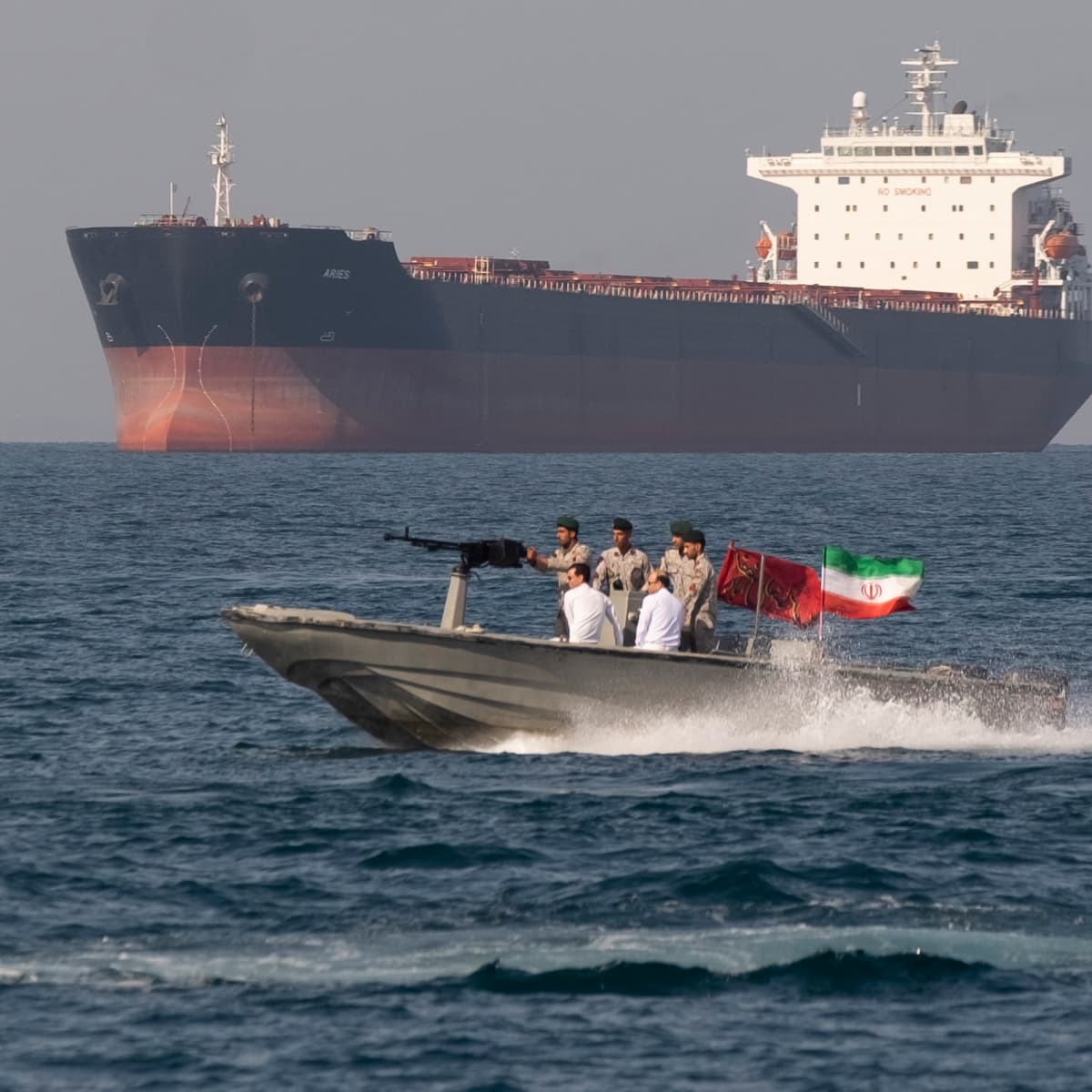
1. Middle East Tensions and the Strait of Hormuz Crisis Continued to Shake Global Markets: The biggest story of the week remained the worsening geopolitical tension surrounding Iran and the Strait of Hormuz. Reports throughout the week showed that the prolonged standoff involving Iran, the United States, and its allies continued to disrupt one of the world’s most important oil shipping routes.
Global markets reacted nervously as oil prices surged while shipping activities around the Strait remained severely limited. Analysts warned that continued instability could worsen inflation globally and trigger long-term supply chain disruptions.
Diplomatic negotiations involving Pakistan, Egypt, Turkey, and the United States reportedly intensified during the week, but uncertainty remained over whether a breakthrough agreement could be achieved.
The crisis also raised fears about global energy security, with concerns that oil inventories were declining at alarming rates.
2. WHO Declared Ebola Outbreak in Congo a Global Emergency: Another major headline came from Africa after the World Health Organization declared the Ebola outbreak in the Democratic Republic of Congo a Public Health Emergency of International Concern.
The outbreak, reportedly linked to the Bundibugyo strain of Ebola, caused widespread concern because there were no fully approved vaccines specifically targeting the strain.
Health officials warned of increasing cross-border risks involving neighboring Uganda and other parts of Central Africa. Reports indicated that hundreds of suspected infections and dozens of deaths have already been recorded.
The announcement prompted several countries and international organizations to begin emergency preparedness measures.
3. Fuel Prices Rose Across Several Countries Amid Energy Shock: As tensions in the Gulf escalated, countries around the world experienced another sharp rise in fuel prices.
India, parts of Europe, and several Asian economies recorded significant increases in petrol and diesel prices during the week. Analysts blamed the spike on instability in global oil supply chains and fears surrounding disruptions in the Strait of Hormuz.
The rising energy costs intensified concerns about inflation and the cost-of-living crisis in many economies already struggling with weak consumer spending.
Economists warned that prolonged energy instability could force central banks to reconsider interest rate policies.
4. Trump’s Iran Ultimatum Dominated Global Diplomacy: International diplomacy took center stage when reports emerged that U.S. President Donald Trump was weighing fresh military strikes against Iran while simultaneously pursuing diplomatic negotiations.
Global media outlets described the situation as a “50/50 ultimatum,” with speculation growing that Washington could either agree to a temporary ceasefire extension or resume military operations.
Iranian officials responded with warnings of retaliation, while regional powers continued mediation efforts behind the scenes.
The uncertainty surrounding the negotiations fueled anxiety across international markets and diplomatic circles.
5. Samsung Strike Threat Raised Fears of Global Chip Supply Disruption: In Asia, concerns mounted over a possible large-scale workers’ strike at Samsung Electronics in South Korea.
The National Samsung Electronics Union reportedly threatened an 18-day industrial action over disputes relating to bonuses and compensation structures.
South Korean officials warned that a shutdown at Samsung’s semiconductor plants could severely disrupt the global technology supply chain, especially for memory chips and artificial intelligence hardware.
The dispute highlighted the growing vulnerability of the global semiconductor market amid rising geopolitical and economic tensions.
6. Global Stock Markets Reacted to Economic and Geopolitical Pressures: Financial markets experienced another volatile week as investors responded to geopolitical risks, inflation concerns, and fluctuating energy prices.
Major stock indices across Europe, Asia, and the United States posted mixed performances throughout the week.
While some markets recovered on hopes of diplomatic progress in the Middle East, others fell due to fears of prolonged conflict and economic slowdown.
Analysts also noted that supply chain disruptions and energy costs were beginning to affect manufacturing activities across several regions.
7. Europe Faced Economic Anxiety Over Borrowing and Consumer Spending: The United Kingdom and parts of Europe faced mounting economic concerns during the week after reports showed rising government borrowing levels and weakening retail sales.
British retail spending reportedly fell sharply as consumers reduced fuel purchases and discretionary spending.
At the same time, concerns about inflation and debt servicing costs continued to weigh heavily on European economies.
Economists warned that continued geopolitical instability could worsen economic fragility across the continent.
8. Drone Attack Near UAE Nuclear Facility Sparked Global Alarm: One of the most alarming security stories of the week involved a drone strike near the Barakah Nuclear Power Plant in the United Arab Emirates.
Authorities confirmed that the attack caused a fire at an external electrical generator facility, although nuclear operations remained unaffected.
The incident intensified fears over the expanding scope of regional conflict in the Gulf and highlighted growing concerns about attacks targeting critical infrastructure.
Security experts warned that further escalation could have devastating consequences for global energy supplies and regional stability.
9. Climate and Extreme Weather Concerns Continued Across Asia: Several Asian countries faced intense heatwaves and extreme weather conditions during Week 21.
South Asian nations in particular recorded dangerous temperature levels, prompting health advisories and fears of worsening climate-related disasters.
The severe weather conditions added pressure on electricity systems, food supply chains, and public health services.
Environmental experts warned that climate volatility was increasingly becoming a major contributor to economic and humanitarian instability globally.
10. Major Sporting Events and Cultural Moments Captured Global Attention: Despite the tension dominating global affairs, sports and entertainment still produced major moments during the week.
The UEFA Women’s Champions League final preparations, domestic football title races in Europe, and major wrestling events generated massive online engagement.
Eurovision 2026 also attracted widespread global attention, while major sporting competitions in cricket and football continued to unite fans worldwide.
These events provided moments of relief and entertainment amid an otherwise tense and uncertain international climate.
Conclusion
Week 21 of 2026 demonstrated how interconnected the modern world has become. A geopolitical crisis in the Middle East influenced fuel prices globally, economic uncertainty shaped markets across Europe and Asia, while health emergencies and climate events reminded governments of the growing importance of international cooperation.
The period between May 17 and May 23 revealed a world navigating a delicate balance between diplomacy, economic resilience, technological dependence, and security concerns.
As the final week of May approached, global attention remained fixed on whether diplomatic breakthroughs, economic stability, and coordinated international responses could prevent further escalation across multiple fronts.