Week 20 in Retrospect: 10 Global Headlines That Shaped the World (May 10 - 16, 2026)
A detailed retrospective of the top 10 global news stories that defined Week 20 of 2026, including geopolitics, wars, diplomacy, economic tensions, health emergencies, and climate-related developments from May 10 - 16, 2026.
The week of May 10 to May 16, 2026, was marked by diplomatic maneuvering, geopolitical tensions, humanitarian concerns, and economic uncertainty across regions worldwide. From renewed Middle East instability to growing concerns over public health outbreaks and shifting global alliances, the headlines reflected a rapidly evolving international landscape.
Here is a detailed look at the 10 biggest global stories that dominated international conversations during Week 20 of 2026.
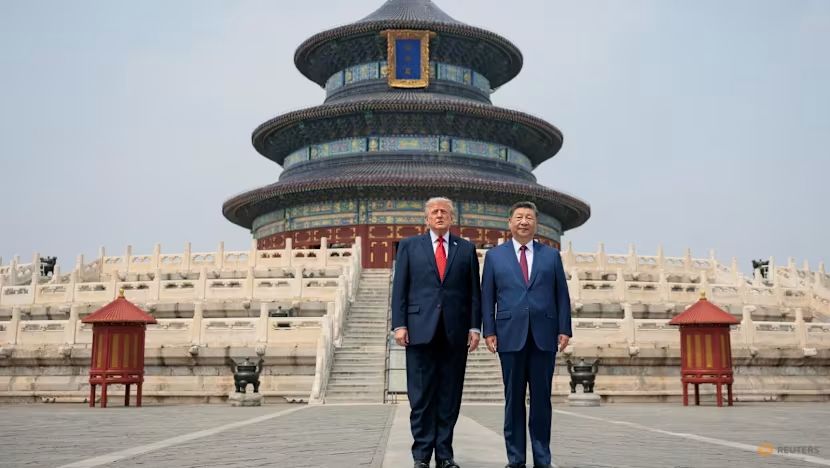
1. Trump’s Beijing Visit Dominates Global Diplomacy: One of the week’s most significant international developments was the visit of Donald Trump to China, where he met Chinese President Xi Jinping amid heightened geopolitical tensions.
The visit focused heavily on trade negotiations, regional security, and discussions surrounding the escalating Iran crisis. While the trip featured elaborate diplomatic ceremonies in Beijing, global attention quickly shifted toward the broader implications of the U.S.-Iran conflict and rising energy prices.
Observers noted that the visit reflected an attempt by both powers to stabilize economic relations despite increasing rivalry over technology, Taiwan, and military influence in Asia. (Reuters)
2. Iran Crisis Continues to Shake Global Markets: The ongoing tensions involving Iran remained one of the defining stories of the week. Oil markets experienced renewed volatility as fears grew over potential disruptions to energy supply routes in the Middle East.
The conflict also intensified political debates in Europe and North America over military engagement, sanctions, and diplomacy. Analysts warned that prolonged instability could deepen inflationary pressures already affecting many economies worldwide.
Global stock markets fluctuated throughout the week as investors reacted cautiously to every new development linked to Tehran and Washington. (Reuters)
3. Gaza Violence Raises Humanitarian Concerns: Fresh violence in Gaza Strip once again drew international condemnation after reports emerged of renewed Israeli strikes despite an existing ceasefire arrangement.
According to reports, several Palestinians were killed and others injured during military operations in Khan Younis and surrounding areas. Humanitarian organizations renewed calls for restraint and urgent civilian protection measures.
The violence highlighted the fragility of the truce that had been in place since late 2025 and reinforced concerns that the conflict could spiral into a wider regional crisis. (Anadolu Ajansı)
4. Global Inflation Fears Return Amid Rising Fuel Prices: Energy prices became a central economic issue during the week as fuel costs surged across major economies. Rising crude oil prices linked to Middle East instability pushed transportation and commodity prices upward globally.
Economists warned that central banks may face renewed pressure to maintain higher interest rates longer than expected. Several countries also witnessed public frustration over increasing living costs, especially food and transportation expenses.
The inflation debate became especially heated in the United States, where political leaders faced growing scrutiny over economic management ahead of key elections later in the year. (Reuters)
5. Ebola Outbreak in DR Congo Sparks Health Alerts: Health authorities in the Democratic Republic of the Congo raised concerns after confirming a fresh outbreak of Ebola in the eastern region of the country.
International health organizations quickly mobilized emergency response teams to contain the outbreak and prevent cross-border spread. The development reignited memories of previous deadly Ebola epidemics that severely impacted Central and West Africa.
Public health experts emphasized the importance of rapid surveillance, vaccination campaigns, and international cooperation to prevent another large-scale humanitarian disaster.
6. Europe Battles Extreme Weather Conditions: Several European countries experienced severe and unusual weather patterns during the week, including intense rainfall, flooding, and storms.
Climate scientists warned that the frequency of extreme weather events continues to increase due to global warming. Transportation systems were disrupted in multiple cities, while emergency services responded to evacuations and infrastructure damage.
The events renewed debate over climate adaptation policies and the urgency of reducing greenhouse gas emissions globally.
7. Global Concerns Grow Over Migration Crisis: Migration remained a pressing issue across Europe, North Africa, and parts of the Americas during Week 20.
Several governments announced tougher border enforcement policies while humanitarian organizations urged world leaders to address the root causes of displacement, including war, poverty, and climate change.
The Mediterranean route again became a focal point after multiple rescue operations involving migrants attempting dangerous sea crossings.
8. AI Regulation Discussions Intensify Worldwide: Artificial intelligence regulation emerged as another major international topic. Governments and technology leaders in Europe, North America, and Asia continued debating how to balance innovation with safety and ethical concerns.
Issues surrounding misinformation, deepfakes, job displacement, and AI governance featured prominently in international forums throughout the week.
Technology analysts suggested that 2026 may become a defining year for global AI policy frameworks as countries race to establish competitive and secure digital economies.
9. Global Sports and Entertainment Industries Continue Economic Boom: The global sports and entertainment industries continued to demonstrate strong commercial growth despite broader economic uncertainty.
Major football leagues, streaming platforms, and international entertainment brands reported rising revenues and audience engagement. Analysts pointed to increased digital consumption and expanding international fan bases as key drivers of the trend.
Meanwhile, preparations for upcoming international sporting competitions generated substantial tourism and investment discussions in several host countries.
10. Global Political Polarization Deepens Ahead of Major Elections: Political polarization intensified across several democracies as election campaigns and ideological divisions dominated public discourse.
In the United States, Europe, and parts of Latin America, political leaders increasingly clashed over immigration, economic policy, foreign affairs, and national identity issues.
Experts warned that misinformation, economic hardship, and geopolitical uncertainty could further deepen divisions in the months ahead.
Conclusion
Week 20 of 2026 demonstrated how interconnected the modern world has become. Diplomatic tensions in one region affected fuel prices globally, while health scares, migration challenges, and technological disruption continued shaping international policy discussions.
From Washington and Beijing to Gaza and Central Africa, the week’s events reflected a world grappling with uncertainty, competition, and rapid transformation. As governments respond to these overlapping crises, the developments of May 10–16 may prove influential far beyond a single week in history.