Week 18 in Retrospect: War, Markets, and Power Plays Dominate Global Headlines (April 26 - May 2, 2026)
A comprehensive roundup of the top 10 global news stories from April 26 to May 2, 2026, covering the Iran conflict, economic shocks, political tensions, and major global developments. Includes key dates and verified source links.
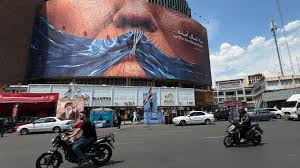
The final week of April transitioning into May 2026 - Week 18 - was marked by a powerful convergence of geopolitical conflict, economic turbulence, and significant political developments. From escalating tensions in the Middle East to shifting global markets and historic policy decisions, the week captured a world grappling with uncertainty while navigating transformative change.
Below is a detailed retrospective of the 10 biggest global headlines that defined April 26 to May 2, 2026.
1. U.S.-Iran War Drives Global Instability
The ongoing conflict between the United States and Iran remained the dominant global story throughout the week. Rising hostilities, military posturing, and stalled diplomacy kept markets and governments on edge.
Oil prices surged above $110 per barrel as the Strait of Hormuz faced disruptions, creating ripple effects across global economies. (The Guardian)
The conflict also influenced global alliances, with European leaders expressing concern over escalation and economic fallout.
2. Oil Prices Surge to Multi-Week Highs
On April 27, crude oil prices climbed sharply, reaching their highest levels in weeks amid fears of prolonged war and supply chain disruptions.
Goldman Sachs warned prices could climb as high as $120 per barrel under worst-case scenarios. (The Guardian)
This spike intensified inflationary pressures worldwide and triggered policy concerns among central banks.
3. UK - US Diplomatic Tensions During Royal Visit
A high-profile state visit by King Charles III and Queen Camilla to Washington unfolded under tense conditions.
The visit was carefully managed to avoid diplomatic friction with U.S. President Donald Trump, especially following disagreements over the Iran war. (The Guardian)
Security concerns were heightened due to a shooting incident linked to a White House Correspondents’ Dinner event.
4. Global Central Banks Hold Interest Rates
Amid economic uncertainty, major central banks including the Federal Reserve, European Central Bank, and Bank of Japan opted to keep interest rates steady.
Policymakers cited inflation risks tied to energy prices and geopolitical instability as key reasons for caution. (Barron's)
The coordinated pause reflected a fragile balance between controlling inflation and sustaining growth.
5. Markets React to Economic and Energy Pressures
Global financial markets experienced heightened volatility as investors reacted to geopolitical tensions and central bank signals.
Despite the uncertainty, U.S. equities recorded strong monthly gains, driven largely by tech sector performance. (Reuters)
However, internal divisions within the Federal Reserve hinted at possible policy instability ahead.
6. May Day Protests Sweep Across the United States
On International Workers’ Day, widespread protests erupted across major U.S. cities under the “May Day Strong” movement.
Demonstrations focused on economic inequality, labor rights, and corporate influence, with events staged in over 3,500 locations. (Wikipedia)
The protests underscored growing domestic tensions amid broader global instability.
7. UAE Exits OPEC in Major Energy Shift
In a historic move, the United Arab Emirates announced its withdrawal from OPEC after nearly six decades.
The decision signaled shifting dynamics within global energy markets and raised questions about the future cohesion of oil-producing nations. (Wikipedia)
Analysts warned the exit could increase volatility in oil supply coordination.
8. Electric Vehicle Demand Surges Globally
The spike in fuel prices triggered a sharp increase in global interest in electric vehicles (EVs).
Automakers reported a dramatic rise in inquiries and sales, with some markets seeing EV demand account for nearly half of new purchases. (The Guardian)
This trend highlighted how geopolitical crises can accelerate energy transitions.
9. Spirit Airlines Shuts Down Operations
In a major aviation industry shock, Spirit Airlines ceased operations after 34 years in business.
The collapse was attributed to rising fuel costs, financial strain, and failed rescue efforts, reflecting broader pressures on the airline sector. (Wikipedia)
Thousands of jobs were affected, and the shutdown disrupted travel plans across the United States.
10. Global Energy and Climate Alliances Gain Momentum
As fossil fuel volatility intensified, a coalition of nations advanced plans for a post-fossil fuel future.
A major international summit saw dozens of countries commit to reducing dependence on oil and accelerating renewable energy adoption. (The Guardian)
Though largely symbolic, the initiative reflected growing urgency around climate action amid geopolitical instability.
Conclusion: A Week That Redefined Global Priorities
Week 18 of 2026 will be remembered as a period where geopolitics, economics, and energy collided dramatically. The U.S.-Iran conflict not only dominated headlines but also reshaped global markets, policy decisions, and energy strategies.
At the same time, events such as the UAE’s exit from OPEC, the surge in EV adoption, and widespread protests signaled deeper structural shifts in the global order. Governments, corporations, and citizens alike were forced to confront a rapidly evolving landscape.
As the world moved into May, one thing was clear: the consequences of this week’s events would reverberate far beyond the headlines, influencing decisions and directions for months, if not years to come.