Week 17 in Retrospect: Top 10 Global Headlines That Shaped April 18 - 25, 2026
From escalating US-Iran tensions and the Strait of Hormuz crisis to Lebanon ceasefire diplomacy, Gaza developments, Ukraine war strikes, and political tremors worldwide, here are the top 10 global headlines that defined Week 17 of 2026 (April 18 - 25).
The week of April 18 to April 25, 2026, delivered another dramatic chapter in global affairs. Geopolitical flashpoints in the Middle East, continuing war in Eastern Europe, political transitions, and economic uncertainty dominated headlines. Energy markets reacted sharply, diplomacy intensified, and several nations faced internal security or political tests.
Here is a look back at the Top 10 global stories that shaped Week 17 of 2026.
1. Iran Reopens the Strait of Hormuz Amid Global Pressure
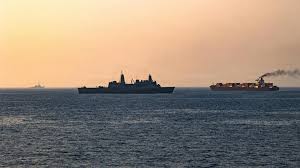
One of the most consequential developments of the week came when Iran declared the Strait of Hormuz open to commercial shipping, easing fears of a prolonged blockade. The waterway handles a major share of global oil exports, and weeks of disruption had driven up crude prices and rattled markets.
Although shipping resumed, Washington maintained pressure through restrictions on Iranian ports, signaling that the geopolitical standoff was far from over. Energy traders worldwide welcomed the reopening, but uncertainty remained high. (ABC News)
2. US and Iran Peace Talks Stall in Islamabad
Hopes for a diplomatic breakthrough between the United States and Iran faced setbacks after negotiations mediated in Pakistan reportedly failed to bridge core disagreements. Iranian officials insisted on sovereignty guarantees and sanctions relief, while Washington demanded security concessions and regional de-escalation.
The stalled talks heightened fears that military and maritime tensions could resume despite temporary pauses in hostilities. The outcome underscored how fragile the path to peace remains. (CBS News)
3. Israel-Lebanon Ceasefire Extended by Three Weeks
A temporary ceasefire between Israel and Lebanon was extended for an additional three weeks after diplomatic meetings in Washington. The extension was welcomed internationally as a rare pause in a conflict that had displaced thousands and destabilized southern Lebanon.
Regional observers noted that a sustained truce could create momentum for broader Middle East negotiations, including indirect progress on the Iran front. (The Guardian)
4. Global Oil Prices Surge Above $100
The lingering effects of Gulf shipping disruptions pushed Brent crude above $105 per barrel, according to reports during the week. Supply fears, rerouted tankers, insurance spikes, and uncertainty over Hormuz all contributed to the rise.
Higher oil prices have triggered inflation concerns in Europe, Asia, and North America, while developing nations worried about fuel subsidy pressures and food transport costs. Economists warned that prolonged instability could slow global growth. (CBS News)
5. Russia Intensifies Strikes on Ukraine
As the Middle East dominated headlines, the war in Ukraine remained active. New strikes were reported in southern Ukrainian cities including Odesa, with civilian casualties and infrastructure damage drawing renewed condemnation.
Ukraine continued appeals for more air defense systems and reconstruction funding, while Western allies debated the next phase of military support. The war’s persistence remained one of the defining security issues of 2026. (Al Jazeera)
6. Gaza Future Returns to International Focus
With tensions easing somewhat in Lebanon and Iran diplomacy under discussion, global attention turned back to Gaza. Analysts said regional de-escalation could create space for renewed efforts toward a ceasefire and governance arrangement in the enclave.
However, disagreements over disarmament, reconstruction control, and long-term political leadership remained unresolved. Humanitarian agencies continued to warn of dire living conditions. (Al Jazeera)
7. Commercial Flights Resume in Tehran
In a sign of cautious normalization, commercial flights resumed from Tehran’s Imam Khomeini International Airport after wartime disruptions. Flights to Istanbul, Muscat, and Medina were among the first departures.
The reopening of Iranian airspace was viewed as a confidence-building signal tied to the temporary ceasefire atmosphere, though airlines remained wary of regional risks and higher fuel costs. (CBS News)
8. US Freezes $344 Million in Crypto Linked to Iran
The US Treasury announced the freezing of $344 million in cryptocurrency assets allegedly tied to Iranian networks. Officials described the move as part of efforts to restrict Tehran’s financial channels during ongoing tensions.
The development highlighted the increasing role of digital assets in sanctions enforcement, conflict finance, and geopolitical strategy. (CBS News)
9. Syria Opens Trial of Former Assad-Era Official
In a major justice milestone, Syria opened proceedings against Atef Najib, a former security official linked to early repression during the civil war era. The trial was described as the first major domestic prosecution of a senior Assad-era figure since the country’s political transition.
Human rights advocates called it symbolic but significant, saying accountability processes could shape Syria’s long recovery. (Al Jazeera)
10. Security Shock in Washington After Shooting Incident
A shooting incident near a major political gathering in Washington sent shockwaves through US politics. Authorities said the suspect had targeted senior officials, prompting renewed debate over political violence, domestic extremism, and public event security.
The event became one of the most discussed domestic stories with global implications, given Washington’s central role in multiple international crises. (ABC News)
Final Analysis: What Week 17 Revealed
Week 17 of 2026 showed a world balancing between conflict and diplomacy. The reopening of the Strait of Hormuz and the Israel-Lebanon truce suggested de-escalation was possible, yet stalled US-Iran talks proved peace remains elusive. Meanwhile, Ukraine, Gaza, Syria, and domestic instability in major capitals reminded observers that global volatility is now multi-centered.
Markets, governments, and citizens alike entered the final week of April knowing that international stability remains highly fragile. If Week 17 taught anything, it is that diplomacy, energy security, and regional wars remain deeply interconnected in 2026.