Week 16 in Retrospect (April 12–18, 2026): Top 10 Global Headlines That Shaped the World
A comprehensive recap of the biggest global news stories from April 12–18, 2026, including Middle East tensions, Russia-Ukraine escalation, global markets, elections, and tech events.
The week of April 12 to April 18, 2026, was defined by geopolitical volatility, economic uncertainty, and significant political developments across continents. From renewed warfare in Eastern Europe to fragile ceasefires in the Middle East and shifting political landscapes in Europe, the world witnessed a series of interconnected events that underscored the fragility of global stability.
Here are the ten most important global stories that shaped the week.
1. US Brokers Israel-Lebanon Ceasefire
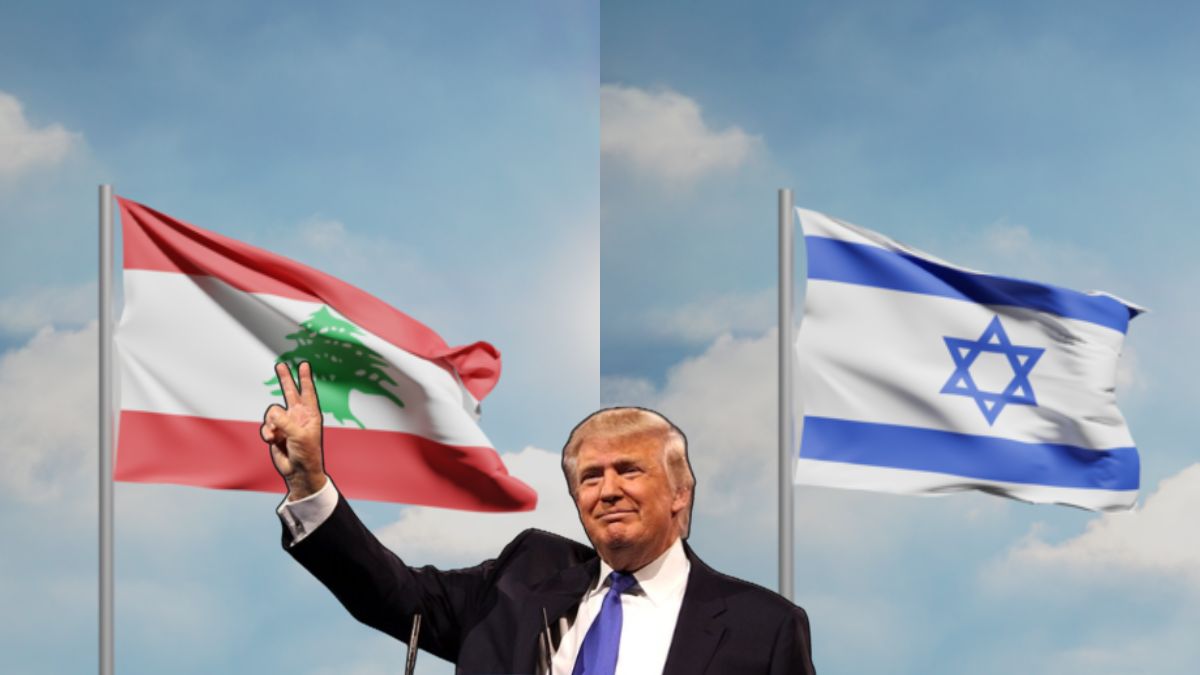
One of the most consequential developments was the United States successfully negotiating a 10-day ceasefire between Israel and Lebanon. The truce came after days of escalating cross-border hostilities involving Hezbollah and Israeli forces. While the ceasefire provided temporary relief, it remained fragile, with both sides expressing deep mistrust. (Thairath English)
The agreement also triggered diplomatic tensions, particularly after U.S. criticism of the Pope’s stance on the conflict drew backlash from European leaders.
2. Russia Launches Largest Drone Assault of the Year
Following the expiration of a brief Easter ceasefire, Russia unleashed its largest drone and missile assault of 2026 on Ukraine. Nearly 700 aerial weapons targeted major cities including Kyiv and Odesa, killing civilians and damaging critical infrastructure. (Thairath English)
Ukrainian President Volodymyr Zelensky responded by urging Western allies to maintain sanctions, warning against any easing of pressure on Moscow.
3. Strait of Hormuz Crisis Shakes Global Economy
Tensions between the United States and Iran intensified, particularly around the Strait of Hormuz, a critical global oil artery. Talks between both nations failed to produce a lasting agreement, raising fears of prolonged conflict. (Global News)
The situation disrupted global shipping and triggered volatility in oil markets, reinforcing concerns about energy security and inflation worldwide. (Boston Institute of Analytics)
4. Oil Prices Surge, Markets React to Middle East Tensions
As the Hormuz crisis escalated, global markets reacted sharply. Oil and gas prices surged by around 5%, while stock markets across Europe declined. (The Guardian)
The disruption of shipping routes threatened fuel supplies, especially in Europe, raising fears of economic slowdown and renewed inflationary pressures.
5. Hungary Opposition Wins Historic Election
In a major political upset, Hungary’s opposition party secured a landslide victory, ending 16 years of right-wing rule. (Thairath English)
The shift is expected to realign Hungary’s foreign policy, particularly regarding its stance on Ukraine and relations with the European Union, signaling a broader political transformation in Central Europe.
6. Turkey Confronts School Shooting Crisis
Turkey grappled with a disturbing trend of youth violence after a second school shooting incident within a week. Authorities launched a crackdown on social media content believed to encourage imitation behavior. (Thairath English)
The incidents sparked national debate on gun control, digital influence, and youth mental health.
7. US-Iran Ceasefire Talks Begin in Pakistan
Efforts to stabilize the Middle East conflict continued as the U.S. and Iran held high-level negotiations in Pakistan. (Global News)
Although talks initially raised hopes, they ultimately failed to produce a lasting agreement, leaving the region on edge and prolonging uncertainty in global markets.
8. TED 2026 Highlights Global Innovation
Amid geopolitical tensions, the world of technology and innovation convened at TED 2026 in Vancouver, bringing together thought leaders, scientists, and entrepreneurs. (TechRadar)
Discussions focused heavily on artificial intelligence, climate solutions, and the future of digital economies, offering a contrast to the week’s political instability.
9. Global Energy Crisis Deepens
The combined effects of war, sanctions, and disrupted supply chains intensified the global energy crisis. Countries like Japan announced multibillion-dollar initiatives to secure oil supplies for Asia. (Thairath English)
Meanwhile, analysts warned that the interconnected nature of global markets could amplify the long-term economic impact.
10. World Snooker Championship Begins
On a lighter note, the World Snooker Championship 2026 commenced in Sheffield, drawing global attention. (Talksport)
While not political, the event provided a cultural counterbalance to a tense week, highlighting the enduring role of sports in global unity.
Conclusion
Week 16 of 2026 encapsulated the complexities of a world grappling with overlapping crises. The fragile ceasefire in the Middle East, escalating conflict in Ukraine, and volatility in global markets all pointed to a deeply interconnected international system where regional conflicts have global consequences.
At the same time, political shifts in Europe and ongoing technological innovation demonstrated that transformation continues even amid uncertainty. As the world moved beyond April 18, the key question remained whether diplomacy and cooperation could outpace conflict and division.