Week 14 in Retrospect (March 29 - April 4, 2026): War, Space Breakthroughs, Energy Shock and Climate Signals Shape a Turbulent World
A comprehensive roundup of the top 10 global headlines from March 29 to April 4, 2026 covering the Iran war, global oil crisis, NASA’s Artemis II mission, climate anomalies, and major geopolitical developments.
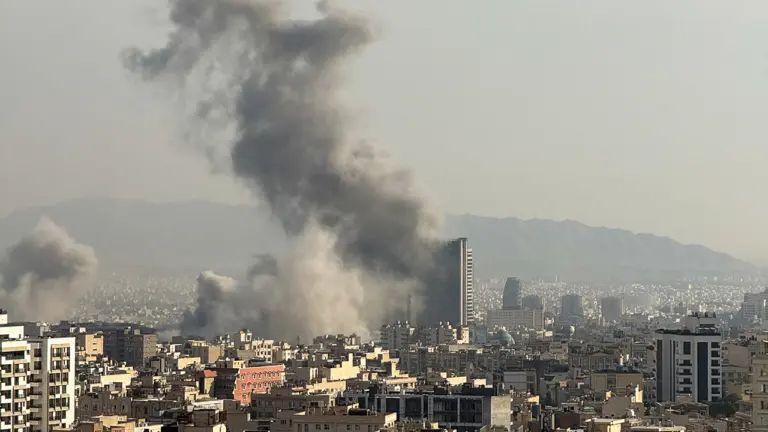
The final days of March and the opening stretch of April 2026 delivered a week defined by geopolitical tensions, scientific milestones, economic anxiety, and climate warnings. From the escalating Iran conflict to humanity’s renewed push toward the Moon, Week 14 captured a world grappling with both crisis and progress. Here are the ten defining global stories that shaped the period.
1. Iran War Deepens, Civilian Impact Worsens: The ongoing Iran war intensified significantly during the week, entering a more dangerous phase marked by increased civilian casualties and infrastructure damage. Reports indicated expansion of airstrikes and retaliatory attacks, with both sides suffering losses. A particularly alarming development was the downing of a warplane and the search for a missing service member, highlighting the human cost of the conflict. (Global News)
The war has now moved beyond military confrontation into a broader humanitarian concern, raising fears of regional destabilization and global economic fallout.
2. Global Oil Crisis Escalates Amid Middle East Conflict: The global energy market took a sharp hit as the International Energy Agency (IEA) warned that April would be “much worse” than March in terms of oil supply shortages. According to IEA chief Fatih Birol, supply losses could double be due to disruptions in the Persian Gulf. (The Wall Street Journal)
The crisis has triggered soaring fuel prices, fears of inflation, and urgent calls for emergency measures such as reduced energy consumption and further strategic reserve releases.
3. NASA Approves Historic Artemis II Moon Mission: In a landmark moment for space exploration, NASA confirmed the launch readiness of Artemis II - the first crewed lunar mission since 1972. The mission will send astronauts on a 10-day journey around the Moon, testing systems for future deep-space exploration. (Live Science)
This milestone signals a new era of human spaceflight, with long-term ambitions of establishing a sustained presence on the Moon.
4. Airline and Travel Costs Surge Due to Fuel Shortages: As the oil crisis intensified, airlines globally began raising ticket prices in response to rising jet fuel costs. The aviation sector, already vulnerable to geopolitical shocks, is now facing renewed pressure, with travelers bearing the financial burden. (Global News)
This development is expected to ripple across tourism and global mobility, potentially slowing post-pandemic travel recovery.
5. U.S. and Allies Face Strategic Tensions Over Energy Security: Geopolitical friction increased as global powers debated responsibility for securing oil routes, particularly around the Strait of Hormuz. Calls for allied cooperation were met with hesitation, exposing cracks in international partnerships. (Global News)
The situation underscores how energy security is once again shaping global diplomacy.
6. Russia Benefits Economically from Global Oil Spike: While much of the world struggled with rising energy costs, Russia experienced a surge in oil revenues, benefiting from higher global prices. This development adds a complex layer to ongoing geopolitical tensions, especially amid the continuing Ukraine conflict. (Global News)
The shift highlights how global crises often redistribute economic advantages unevenly.
7. Climate Change Signals Intensify with Record Early Spring in UK: Environmental scientists observed what could be the earliest spring ever recorded in the United Kingdom. Plants bloomed and wildlife activity accelerated weeks ahead of historical norms, raising concerns about ecological imbalance. (The Guardian)
Experts warn that such rapid seasonal shifts could disrupt food chains and biodiversity, further emphasizing the urgency of climate action.
8. NCAA Final Four Captures Global Sports Attention: In sports, the NCAA Men’s Basketball Final Four drew global viewership, with high-stakes matchups featuring Illinois, UConn, Arizona, and Michigan. The event, held in Indianapolis, showcased dramatic performances and highlighted the commercial scale of collegiate athletics. (New York Post)
While largely a sporting event, its economic and cultural reach underscores the global influence of American sports.
9. Digital Entertainment Booms with Global Gaming Events: The gaming world also made headlines as Fortnite hosted special April Fools-themed events, attracting millions of players worldwide. These events demonstrate the growing dominance of digital entertainment as a global cultural force. (The Times of India)
Gaming is no longer niche. It is now a central pillar of youth culture and digital economies.
10. Global Economic Anxiety Rises Amid Inflation and Supply Chain Risks: Across multiple regions, rising food prices, energy costs, and supply chain disruptions fueled economic uncertainty. Reports indicated increasing pressure on households, with inflationary trends linked directly to geopolitical instability and energy shortages. (Global News)
Economists warn that if the Iran conflict persists, the world could face a prolonged period of stagflation.
Conclusion: A World at a Crossroads
Week 14 of 2026 encapsulated the fragile balance between crisis and progress. On one hand, humanity edged closer to a new era of space exploration with Artemis II. On the other, the Iran war and resulting oil shock exposed the deep vulnerabilities of a globally interconnected system.
The week also reinforced a sobering reality: geopolitical conflicts, environmental change, and economic instability are no longer isolated events. They are deeply intertwined forces shaping the future. As April unfolds, the decisions made by world leaders, institutions, and citizens will determine whether these crises escalate or give way to new opportunities for cooperation and resilience.