Week 13 in Retrospect: War, Protests, Markets and Culture - The 10 Biggest Global Headlines (March 22–28, 2026)
A comprehensive roundup of the top 10 global news stories between March 22–28, 2026, including the Iran-Israel war escalation, global protests, economic shocks, and major cultural events.
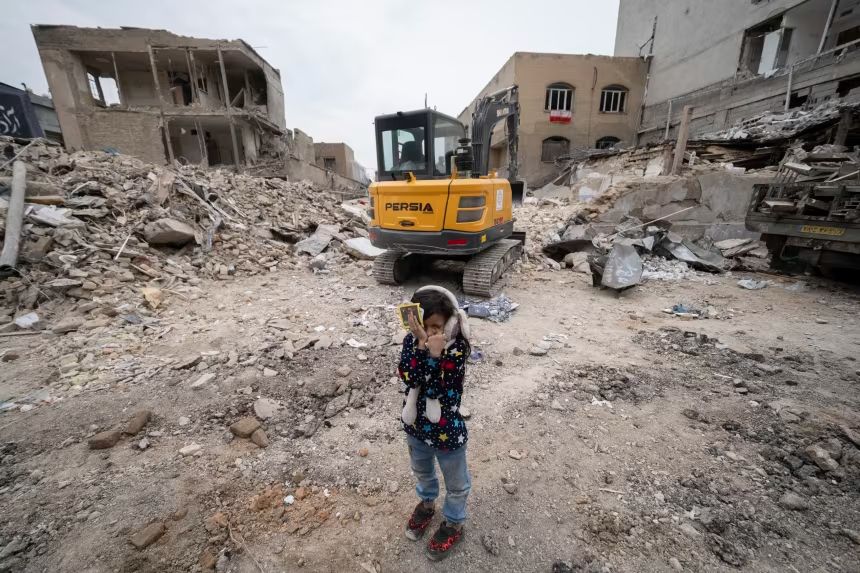
The fourth week of March 2026 was defined by geopolitical tension, economic uncertainty, mass protests, and cultural resilience. From a rapidly escalating Middle East conflict to record-setting global demonstrations and shifting financial markets, the week (March 22 - 28) captured a world grappling with instability and transformation.
Below is a detailed retrospective of the 10 biggest global headlines, complete with dates and verified sources.
1. U.S. Issues Global Security Warning Amid Escalating Iran-Israel War (March 22, 2026)
The week opened with heightened global anxiety as the United States warned its citizens worldwide to exercise “increased caution” due to intensifying conflict involving Iran and Israel.
Israeli airstrikes on Tehran and Iranian retaliatory missile attacks across the Middle East marked a dangerous escalation. Critical oil infrastructure across multiple countries was damaged, pushing the crisis beyond regional boundaries. (The Guardian)
The warning signaled that the conflict had evolved into a global security concern with ripple effects on travel, diplomacy, and commerce.
2. Strait of Hormuz Crisis Sparks Global Energy Shock (March 22, 2026)
Closely tied to the conflict was Iran’s continued disruption of the Strait of Hormuz - a critical artery for global oil supply. Experts warned that the resulting energy disruption could surpass previous crises, including the 1970s oil shock and even the Ukraine war. (The Guardian)
Oil prices surged globally, triggering inflation fears and forcing governments to consider emergency energy-saving measures.
3. Global Markets React to War Volatility (March 23 - 24, 2026)
By midweek, financial markets began reflecting the uncertainty. Oil prices fluctuated sharply, while gold prices surged as investors sought safe havens. Although there were brief signs of stabilization following hints of partial de-escalation, broader indicators showed weakening business confidence and rising inflation concerns in major economies. (Reuters)
The week underscored how geopolitical instability can rapidly translate into economic vulnerability.
4. Economic Confidence Weakens Across Europe and the U.S. (March 25 - 26, 2026)
Economic data released during the week revealed stagnating growth in the eurozone and mounting inflation pressures in the United States. Additionally, stress in private credit markets emerged as major asset managers halted fund redemptions - a signal of deeper financial fragility. (Reuters)
The convergence of war-driven inflation and weak growth raised fears of a potential global stagflation scenario.
5. Art Basel Hong Kong Reflects Cultural Resilience (March 27 - 29, 2026)
Despite global tensions, the Art Basel Hong Kong 2026 fair opened with over 240 galleries, reaffirming the city’s position as Asia’s art hub. However, the event also mirrored global realities: rising shipping costs, reduced international travel due to Middle East instability, and a shift toward regional audiences. (Vogue)
Still, the emergence of new tech-driven collectors suggested evolving dynamics in the global art market.
6. WWE SmackDown Delivers Major Entertainment Milestones (March 27, 2026)
In the entertainment world, a major WWE SmackDown event saw a new United States Champion crowned, alongside escalating rivalries ahead of WrestleMania 42. The return of Cody Rhodes and his clash with Randy Orton highlighted the show’s significance in global sports entertainment culture. (The Times of India)
Though lighter in tone, such events provided a sense of continuity amid global uncertainty.
7. “No Kings” Protests Sweep Across the World (March 28, 2026)
One of the most defining moments of the week came on March 28, when millions participated in coordinated protests against the U.S. administration. Dubbed the “No Kings” protests, demonstrations spanned over 3,000 cities globally, making it potentially one of the largest protest movements in modern history. (The Guardian)
Protesters cited concerns over immigration policies, governance, and civil liberties, while counter-protests revealed deep political polarization.
8. UFC Fight Night Upsets Shake Global Sports Scene (March 28, 2026)
In sports, UFC Fight Night 271 delivered a major upset as Joe Pyfer defeated former champion Israel Adesanya in a stunning result. The event also marked the retirement of veteran fighter Michael Chiesa, signaling a generational shift in mixed martial arts. (The Times of India)
Such sporting moments provided global audiences with dramatic narratives beyond politics and economics.
9. Rare Global Aurora Display Captivates the World (March 22–23, 2026)
A powerful geomagnetic storm between March 20 - 22 produced spectacular auroras visible far beyond polar regions. From North America to Europe and even parts of Australia, the rare phenomenon captivated millions and dominated social media. (Space)
In a week dominated by conflict, the natural spectacle offered a rare moment of global unity and wonder.
10. Rising Global Political Tensions and Strategic Uncertainty (March 25 - 28, 2026)
Throughout the week, broader geopolitical tensions intensified beyond the Middle East. Leaders across Europe, Asia, and North America grappled with how to respond to the Iran conflict, while public opinion - particularly in the United States - showed declining confidence in leadership. (Reuters)
The convergence of war, protests, and economic instability highlighted a shifting global order with uncertain consequences.
Conclusion: A Week That Defined a Fragile Global Moment
Week 13 of 2026 will likely be remembered as a turning point in global affairs. The escalation of the Iran-Israel conflict exposed vulnerabilities in energy systems and international diplomacy. Mass protests revealed deep political divisions, while financial markets reflected growing uncertainty. Yet, cultural and natural events - from Art Basel to auroras - reminded the world of its resilience.
Taken together, the week painted a clear picture: a world at a crossroads, balancing between conflict and continuity, disruption and adaptation.