Week 11 in Retrospect: Top 10 Global Headlines That Shaped the World (March 8–14, 2026)
A comprehensive review of the top 10 global news stories that defined Week 11 of 2026 (March 8 – 14), including the escalating Iran–Israel war, global oil shocks, major political developments, and key international events shaping geopolitics.
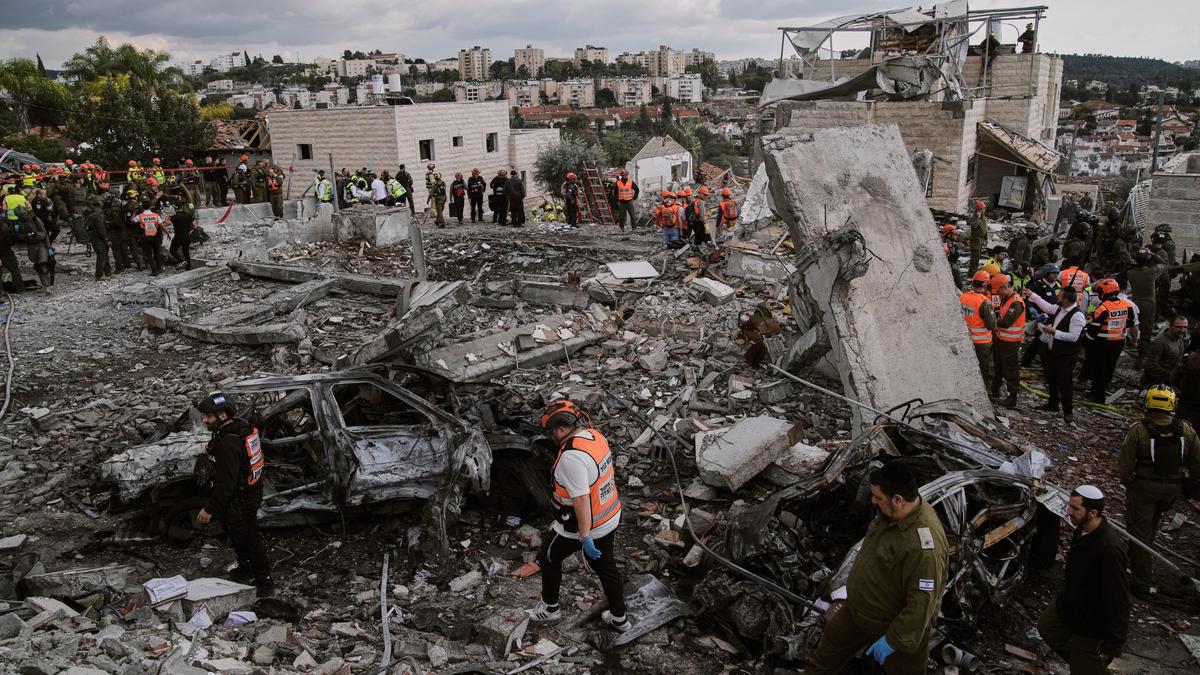
The second week of March 2026 was marked by dramatic geopolitical shifts, intensifying conflicts, and major global developments that captured international attention. From the widening war involving Iran, Israel, and the United States to global economic tremors triggered by oil supply disruptions, the period between March 8 and March 14, 2026 proved to be one of the most consequential weeks of the year so far.
Below is a retrospective analysis of the ten most significant global headlines that dominated international discourse during the week.
1. Israel–US War with Iran Escalates Dramatically
The most dominant global story of the week was the escalating military confrontation between Iran, Israel, and the United States. Israeli forces intensified their air campaign against Iranian military and energy infrastructure, while Iran launched retaliatory strikes targeting regional interests. (New York Post)
The conflict, which began with coordinated Israeli and U.S. strikes under “Operation Lion’s Roar,” expanded throughout the week, with new attacks reported across Iranian cities including Tehran. (Wikipedia)
Military analysts warned that the conflict risked transforming into a wider regional war involving Gulf states, Hezbollah, and other Iranian proxies.
2. US Airstrikes Target Iran’s Strategic Kharg Island
On March 13, the United States carried out a major air raid on Kharg Island, Iran’s key oil export hub in the Persian Gulf. The operation targeted over 90 Iranian military sites located on the island.
Although the oil infrastructure itself was reportedly spared, the attack was widely interpreted as a strategic move designed to cripple Iran’s military capabilities without triggering a catastrophic global energy shock.
The strike also heightened fears that Iran might retaliate against oil facilities across the Gulf region.
3. Strait of Hormuz Disruptions Trigger Global Oil Shock
The escalating conflict produced immediate economic consequences. Iranian threats and regional insecurity effectively disrupted shipping through the Strait of Hormuz, the world’s most critical oil chokepoint. (The Guardian)
As a result, Brent crude prices surged above $100 per barrel, triggering renewed fears of global inflation and economic instability. Governments and energy agencies began discussing emergency oil releases to stabilize markets.
4. Iran Launches Regional Retaliation
Iran responded to the strikes by expanding its military operations across the Middle East. Missile and drone attacks reportedly targeted infrastructure and military bases in Iraq, Kuwait, and other Gulf locations. (NCR Iran)
The attacks demonstrated Tehran’s capacity to project power through both direct military actions and regional allies. Several Gulf states were forced to activate air defense systems amid fears of further escalation.
5. Iran Arrests Hundreds Accused of Espionage
Amid intensifying military pressure, Iranian authorities launched a sweeping internal crackdown, arresting more than 500 individuals accused of spying for Israel and the United States. (Reuters)
Officials claimed the suspects had provided intelligence that enabled foreign forces to target sensitive Iranian locations. The arrests signaled the regime’s growing concern about internal security during wartime.
6. Global Leaders Call for Ceasefire
As the war intensified, world leaders and international organizations called for restraint. Diplomatic voices from Europe, the Vatican, and multilateral institutions warned that continued escalation could destabilize the entire Middle East. The Guardian
Pope Leo issued a humanitarian appeal urging an immediate ceasefire, while European leaders began discussing diplomatic channels aimed at de-escalating the crisis.
7. Rising Humanitarian Concerns Across the Region
The military escalation has triggered mounting humanitarian concerns. Thousands of civilians have reportedly been displaced across conflict zones, particularly in areas affected by airstrikes and proxy battles. The Guardian
International health organizations have begun mobilizing emergency resources, with the World Health Organization allocating funding for medical relief operations in affected regions.
8. Global Political Fallout and Strategic Realignment
The war has triggered significant geopolitical debate worldwide. Leaders across Europe, Asia, and the Middle East have been forced to reassess strategic alliances and security commitments. (euronews)
Some governments have expressed concern that Western military attention shifting toward Iran could weaken support for other global security priorities, including the ongoing conflict in Ukraine.
9. Public Protests and Political Tensions Spread Globally
The crisis has also sparked political reactions far beyond the battlefield. Protests related to the conflict erupted in several cities across Europe and the Middle East, reflecting the war’s polarizing impact on global public opinion. (The Times)
Authorities in some countries launched investigations into protest activities after controversial chants and demonstrations heightened tensions between pro-Israel and pro-Palestinian groups.
10. Death of Influential Philosopher Jürgen Habermas
Outside geopolitics, the global intellectual community mourned the death of renowned German philosopher Jürgen Habermas on March 14. euronews
Habermas, widely regarded as one of the most influential thinkers of the post-World War II era, shaped modern debates on democracy, communication, and public discourse. His death marked the end of an era in contemporary philosophical thought.
Conclusion
Week 11 of 2026 underscored the fragile state of global stability. The escalating confrontation between Iran, Israel, and the United States dominated international headlines and triggered ripple effects across geopolitics, energy markets, and humanitarian conditions.
Beyond the battlefield, the week also revealed deeper structural challenges confronting the international community: rising geopolitical rivalries, economic vulnerability to energy shocks, and the persistent difficulty of maintaining global peace in a multipolar world.
As the conflict continues to evolve, the events of March 8–14, 2026, may well be remembered as a critical turning point in the geopolitical landscape of the year.