Week 10 in Retrospect (March 1–7, 2026): The 10 Global Headlines That Shaped the World
A comprehensive Week 10 global news roundup (March 1–7, 2026), covering the assassination of Iran’s Supreme Leader, Middle East conflict, oil price shocks, geopolitical tensions, and other major international developments.
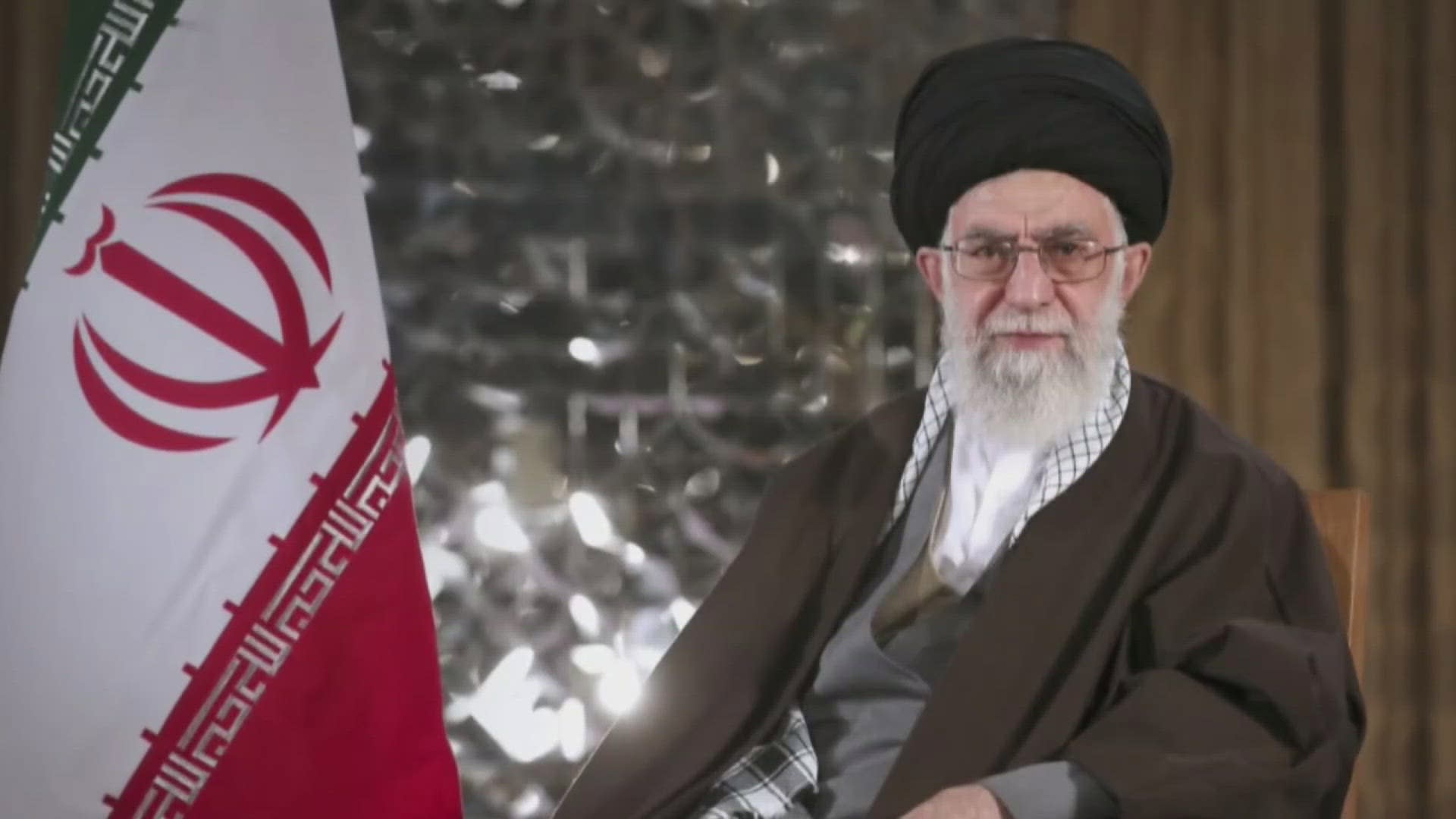
The first week of March 2026 was dominated by geopolitical upheaval, economic tremors, and dramatic political developments across several continents. From the assassination of Iran’s long-time Supreme Leader to oil market shocks and intensifying Middle East tensions, global events during this period illustrated the fragility of the international order.
Below is a detailed retrospective of the 10 most significant global headlines that defined Week 10 of 2026 (March 1–7).
1. Assassination of Iran’s Supreme Leader Sparks Global Shock
The most consequential event of the week was the confirmation of the death of Iran’s Supreme Leader, Ayatollah Ali Khamenei, following an Israeli-linked airstrike in Tehran. The assassination occurred during escalating hostilities between Iran, Israel, and the United States.
Iranian state media confirmed his death on March 1, triggering nationwide mourning and a political transition process within the Islamic Republic. Analysts described the killing as a potential turning point comparable to the fall of the Berlin Wall, given Khamenei’s central role in Iranian politics for nearly four decades. (The Guardian)
His death intensified regional tensions and raised fears of a wider Middle East war.
2. Mojtaba Khamenei Emerges as Iran’s New Supreme Leader
Shortly after Khamenei’s death, Iran’s leadership structure moved quickly to stabilize the regime by confirming Mojtaba Khamenei, the late leader’s son, as the new Supreme Leader.
The move signaled continuity rather than reform within the Islamic Republic, as the powerful Islamic Revolutionary Guard Corps (IRGC) continued to dominate political and security institutions. Analysts noted that the succession could deepen internal dissent while maintaining a hardline foreign policy stance. (The Times)
3. Iran–US–Israel Conflict Escalates Across the Gulf
The power vacuum in Tehran coincided with an expanding regional conflict involving Iran, Israel, and the United States. Iranian retaliatory strikes targeted sites across the Gulf, causing civilian casualties and triggering evacuations from several countries.
Governments began pulling diplomats from sensitive locations as fears grew that the conflict could spill into a full-scale regional war, affecting global shipping routes and energy infrastructure. (The Times)
The crisis rapidly became the dominant geopolitical story of the week.
4. Oil Prices Surge Above $100 Amid Middle East Tensions
The escalating conflict immediately impacted global energy markets. Crude oil prices surged past $100 per barrel, briefly approaching $120 as supply disruptions and fears of further attacks on Gulf energy infrastructure spread.
The spike triggered sharp declines in global stock markets and raised concerns about inflation and possible recession in several advanced economies. Policymakers warned that energy shocks could derail economic recovery in Europe and elsewhere. (The Guardian)
5. G7 Ministers Hold Emergency Talks Over Energy Crisis
In response to the energy shock, G7 finance ministers convened emergency discussions to stabilize markets and prevent economic fallout.
The International Energy Agency considered releasing up to 300 million barrels from strategic reserves to calm oil prices and maintain supply stability.
The meeting underscored how geopolitical crises in the Middle East continue to reverberate through global economic systems.(Financial Times)
6. Mass Evacuations from Gulf States as Conflict Intensifies
The widening conflict prompted a wave of evacuations from the Gulf region. Thousands of foreign nationals were flown out of countries such as the United Arab Emirates and nearby states as governments issued travel advisories.
Reports indicated that over 52,000 Indian citizens returned from Gulf countries within one week as security concerns intensified. (The Times of India)
The evacuations illustrated the human dimension of geopolitical tensions and the vulnerability of expatriate populations.
7. Iranian Intelligence Linked to Assassination Plots Abroad
Another major story during the week was the exposure of alleged Iranian plots targeting foreign political figures. A Pakistani national accused of participating in a plot to assassinate former U.S. President Donald Trump was convicted in the United States, highlighting the global reach of Iranian intelligence operations. (New York Post)
Investigators said the plot was tied to Iran’s desire to retaliate for the 2020 killing of General Qasem Soleimani.
8. Political Uncertainty Deepens in Iran After Leadership Transition
While the regime moved quickly to install a new leader, the assassination raised deep questions about the future stability of the Iranian state.
Experts warned that without the authority and influence wielded by Khamenei, the Islamic Republic could face growing domestic unrest and political fragmentation.
Some analysts suggested the Revolutionary Guard might consolidate power further to maintain control over the country’s political system. (The Guardian)
9. Global Markets React to Geopolitical Instability
Financial markets worldwide responded sharply to the growing crisis. Stock markets in Europe and Asia fell as investors fled to safer assets amid fears of prolonged instability.
Airline stocks and energy-dependent sectors were particularly affected by rising fuel costs, while major oil companies saw gains due to higher crude prices. (The Guardian)
Economists warned that sustained geopolitical tension could trigger stagflation Ary pressures in several economies.
10. Rising Calls for Diplomacy Amid War Fears
As tensions intensified, world powers including Russia and China called for urgent diplomatic engagement to prevent the conflict from escalating further.
International protests also emerged in several cities, including anti-war demonstrations in Europe and Israel, reflecting global anxiety about the potential consequences of a prolonged Middle East war. (The Times)
Many analysts argued that without immediate diplomacy, the crisis could reshape global alliances and security arrangements for years to come.
Conclusion
Week 10 of 2026 will likely be remembered as a pivotal moment in international politics. The assassination of Iran’s Supreme Leader, combined with escalating military tensions and economic disruptions, created a volatile global environment.
The events of March 1 – 7 demonstrated how regional conflicts can quickly evolve into global crises, affecting energy markets, financial systems, and diplomatic relations worldwide.
As the situation continues to unfold, the decisions made by global leaders in the coming weeks may determine whether the world moves toward broader conflict or a renewed effort at diplomacy.