Violence Erupts in South Africa Over Alleged Igbo King Coronation
Violence breaks out in South Africa following controversy over an alleged Igbo king coronation. This analysis explores the causes, xenophobic tensions, and implications for Nigeria–South Africa relations. Includes source links.
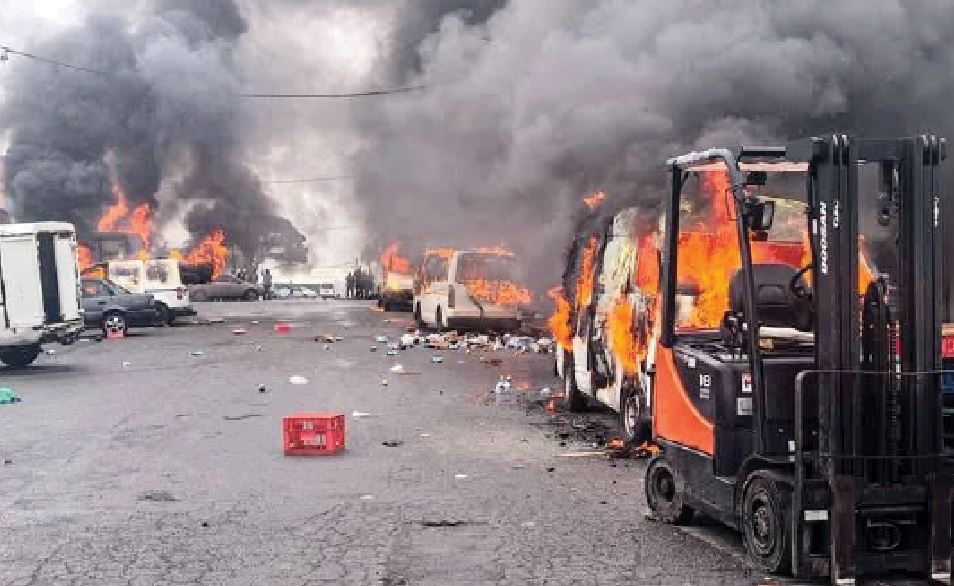
Tensions flared violently in parts of South Africa following reports of an alleged coronation of an “Igbo king” within the country, an incident that has reignited debates over identity, migration, and sovereignty. The unrest, which erupted in late March 2026, has once again exposed the fragile relationship between local communities and migrant populations, particularly Nigerians of Igbo descent.
What may have initially appeared as a cultural or ceremonial event quickly escalated into a broader socio-political crisis, triggering protests, attacks on foreign-owned businesses, and renewed fears of xenophobic violence.
The Controversy: A Coronation That Sparked Outrage
At the center of the crisis are reports that a Nigerian community in South Africa had crowned an “Igbo king” within a local jurisdiction. While details remain contested, the very idea of a traditional ruler being installed by a foreign ethnic group on South African soil provoked strong reactions from local leaders and residents.
Authorities and traditional leaders reportedly questioned both the legality and the symbolism of such an act. For many South Africans, the notion of a foreign monarchy operating within their borders was perceived as a challenge to national sovereignty and local governance structures.
Government officials were quick to distance themselves from the development, clarifying that South Africa does not recognize foreign traditional authorities within its constitutional framework.
Violence Erupts: From Protest to Attacks
What began as protests in some communities soon escalated into violence. Shops owned by foreign nationals - many of them Nigerians- were looted and vandalized, while several individuals were reportedly injured in clashes.
Eyewitness accounts described mobs targeting businesses believed to be owned by Igbo traders, with some attackers invoking the alleged coronation as justification for their actions.
Security forces were deployed to affected areas to restore order, but the situation remained tense, with fears of further escalation.
This pattern of violence is not new. South Africa has experienced multiple waves of xenophobic attacks over the past two decades, often driven by economic frustration, unemployment, and perceptions that foreign nationals are taking jobs or resources from locals.
Xenophobia and Economic Frustration
The incident has once again brought the issue of xenophobia to the forefront. South Africa, despite being one of Africa’s most developed economies, continues to grapple with high unemployment and inequality. These conditions have fueled resentment toward foreign nationals, who are often blamed fairly or unfairly for economic hardships.
Nigerians have frequently been at the center of such tensions, due in part to their visibility in sectors such as retail, entertainment, and small-scale entrepreneurship.
The alleged coronation of an Igbo king added a new dimension to these tensions. It was not just about economic competition but also about identity and perceived encroachment on cultural and political space.
Cultural Expression vs Sovereignty Concerns
For members of the Igbo community, traditional titles and leadership structures are an integral part of cultural identity. In diaspora communities around the world, such practices are often maintained as a way of preserving heritage and fostering unity.
However, in the South African context, the situation is more complex. The country has its own deeply rooted system of traditional leadership, recognized and regulated by law. The introduction, real or perceived, of a parallel authority structure by a foreign community raises sensitive questions about sovereignty and legal jurisdiction.
South African authorities have emphasized that while cultural expression is protected, it must operate within the boundaries of national law.
This tension between cultural rights and state authority lies at the heart of the current crisis.
Diplomatic Implications for Nigeria and South Africa
The violence has also strained relations between Nigeria and South Africa, two of Africa’s largest economies and most influential nations.
The Nigerian government has previously condemned xenophobic attacks in South Africa and has called for stronger protections for its citizens abroad. In response to the latest incident, Nigerian officials have urged South African authorities to ensure the safety of Nigerians and to hold perpetrators accountable.
Diplomatic tensions between the two countries are not new. Past incidents of violence against Nigerians in South Africa have led to protests, retaliatory actions, and strained bilateral relations.
The current crisis risks further complicating this relationship, particularly if it is not swiftly and effectively addressed.
The Role of Misinformation and Perception
Another critical factor in the escalation of violence is the role of misinformation. Some reports suggest that the details of the alleged coronation may have been exaggerated or misinterpreted, fueling anger and panic among local communities.
In an era of rapid information dissemination through social media, rumors can spread quickly, often outpacing official clarifications. This can create a volatile environment where perceptions rather than verified facts drive actions.
Addressing this challenge requires not only accurate reporting but also proactive communication from authorities to counter false narratives.
Security and Policy Challenges
The South African government now faces the difficult task of restoring order while addressing the underlying causes of the unrest. This includes:
- Strengthening law enforcement response to prevent further attacks
- Engaging community leaders to de-escalate tensions
- Clarifying legal frameworks around cultural practices by foreign communities
At the same time, there is a need for broader policy interventions to tackle the root causes of xenophobia, including unemployment and social inequality.
A Broader African Context
The incident also raises questions about intra-African migration and integration. As the African Continental Free Trade Area (AfCFTA) seeks to promote economic cooperation and mobility across the continent, incidents like this highlight the social and political challenges that can arise.
For African unity to be meaningful, there must be mechanisms to manage cultural differences, protect migrants, and address local grievances.
Conclusion: A Flashpoint with Deeper Implications
The violence in South Africa over the alleged Igbo king coronation is more than a localized incident - it is a reflection of deeper tensions around identity, migration, and economic inequality.
While the immediate priority is to restore peace and protect lives, the long-term challenge lies in addressing the underlying issues that fuel such conflicts. This includes fostering greater understanding between communities, strengthening legal frameworks, and promoting inclusive economic growth.
For both Nigeria and South Africa, the situation serves as a reminder of the importance of diplomacy, cooperation, and proactive governance in managing the complexities of a rapidly changing continent.