Victory for Human Rights as Iranian Women Footballers Granted Asylum in Australia
A group of Iranian women footballers granted asylum in Australia has sparked global debate on human rights, gender equality, and migration policy. Here’s what it means for Australia and the world.
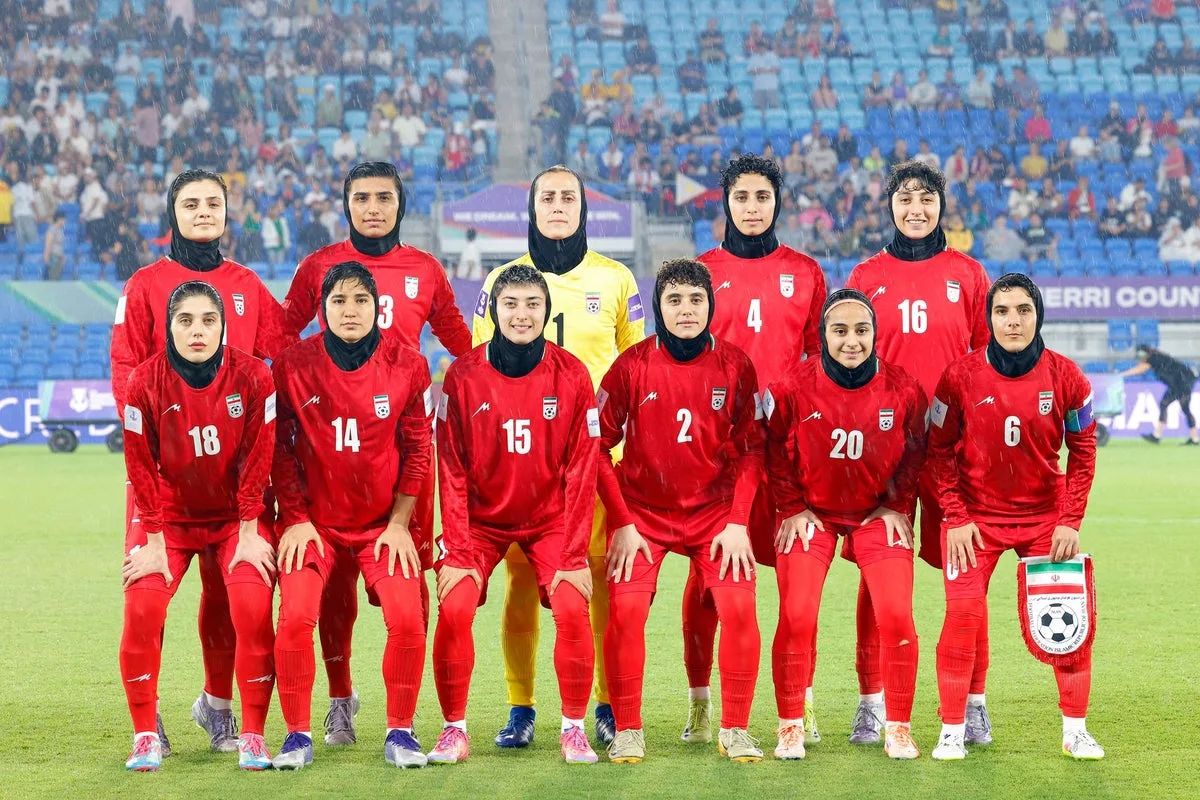
In a development that has captured global attention, a group of Iranian women footballers has been granted asylum in Australia, marking a significant moment at the intersection of sports, human rights, and international politics.
The decision highlights the growing plight of female athletes in restrictive environments while also placing Australia at the center of a broader conversation about refugee protection, gender rights, and global perception.
The Asylum Decision
Australian authorities confirmed that several members of an Iranian women’s football team had been granted protection visas after expressing fears of persecution if they returned home. The players reportedly fled Iran, citing concerns over restrictions on women’s participation in sports, freedom of expression, and broader societal limitations.
Their asylum claims were assessed under international refugee law, which allows individuals to seek protection if they face credible threats based on gender, political views, or social group membership. While the exact number of players and identities remain undisclosed for security reasons, the case has drawn comparisons to previous instances where athletes defected during international competitions to seek freedom abroad.
Why Iranian Female Athletes Face Challenges
Women’s sports in Iran have long operated under strict regulations. Female athletes must adhere to dress codes, travel restrictions, and limited access to facilities, often making it difficult to compete internationally on equal footing.
In recent years, there have also been reports of increased scrutiny of athletes’ social media activity and public statements. These pressures have intensified amid wider political tensions within Iran, particularly following protests linked to women’s rights and civil liberties.
For many athletes, the choice to seek asylum is not simply about sports - but about personal safety, freedom, and the right to pursue their careers without fear.
Australia’s Response
Australia’s decision to grant asylum reflects its obligations under the 1951 Refugee Convention, as well as its broader human rights commitments.
Officials emphasized that each case was assessed individually, based on evidence and international legal standards.
For Australia, the move reinforces its image as a country that supports gender equality, provides refuge to those at risk, and upholds international law
However, the decision also comes at a time when Australia’s immigration policies have faced scrutiny, particularly regarding asylum seekers arriving by boat.
This contrast has sparked debate within the country about consistency in refugee policy.
What This Means for Australians
The arrival of the Iranian footballers carries both symbolic and practical implications for Australia.
1. Strengthening Multicultural Identity
Australia has long prided itself on being a multicultural society.
The inclusion of these athletes adds to the country’s diverse cultural fabric and highlights the role of sports as a unifying force.
2. Boost for Women’s Sports
The presence of talented international players could positively impact the development of women’s football in Australia.
With the growing popularity of the sport, particularly after the success of the FIFA Women’s World Cup hosted in Australia and New Zealand, the new arrivals may contribute to increased visibility and competitiveness.
3. Renewed Debate on Immigration Policy
The case is likely to reignite discussions about how Australia handles asylum claims more broadly.
Critics may question why some groups receive swift protection while others face prolonged detention or rejection, potentially putting pressure on policymakers to ensure fairness and transparency.
Global Perception and Diplomatic Implications
The asylum decision has broader international implications, particularly in how countries are perceived on human rights issues.
1. Pressure on Iran
The move draws global attention to the treatment of women and athletes in Iran.
While Iranian authorities have often defended their policies as culturally appropriate, cases like this can intensify international scrutiny and criticism.
2. Australia’s Global Image
Australia’s decision is likely to enhance its reputation among Western allies and human rights organizations as a defender of individual freedoms.
However, it may also complicate diplomatic relations with Iran, particularly if Tehran views the move as politically motivated.
3. A Signal to Other Athletes
The case could encourage other athletes facing similar challenges to consider seeking asylum.
This raises complex questions for international sports bodies about how to protect athletes while respecting national sovereignty.
The Role of Sports in Human Rights Advocacy
Sports have increasingly become a platform for highlighting human rights issues.
From Olympic protests to high-profile athlete activism, the intersection of sports and politics is becoming more pronounced.
In this case, the Iranian footballers’ decision underscores how athletes are not just competitors - but also individuals navigating complex social and political realities.
Their story serves as a reminder that sports can reflect broader societal struggles, particularly around gender equality and freedom of expression.
Challenges Ahead
While the asylum decision is a positive step for the players, challenges remain.
- Integration: Adjusting to a new country, culture, and professional environment can be difficult.
- Career continuity: Securing opportunities to continue playing at a high level will be crucial.
- Security concerns: There may be ongoing concerns about the safety of family members remaining in Iran.
For Australia, ensuring adequate support for the athletes will be key to making the asylum decision meaningful in practice.
Conclusion
The granting of asylum to Iranian women footballers in Australia is a powerful moment that transcends sports.
It highlights ongoing struggles for gender equality and personal freedom while also placing Australia in the global spotlight as a defender of human rights.
For Australians, the development reinforces national values of inclusion and diversity, even as it prompts deeper reflection on immigration policies.
Globally, the case sends a strong message: that the pursuit of freedom, whether on the football field or beyond, remains a universal aspiration.