US Wildfires Raze Entire Neighbourhoods, Force Mass Evacuations as Fire Season Intensifies
Fast-moving wildfires have destroyed hundreds of homes and neighbourhoods across the western United States, forcing tens of thousands to evacuate. Here's what sparked the disaster, the latest developments, and why experts warn the crisis could worsen.
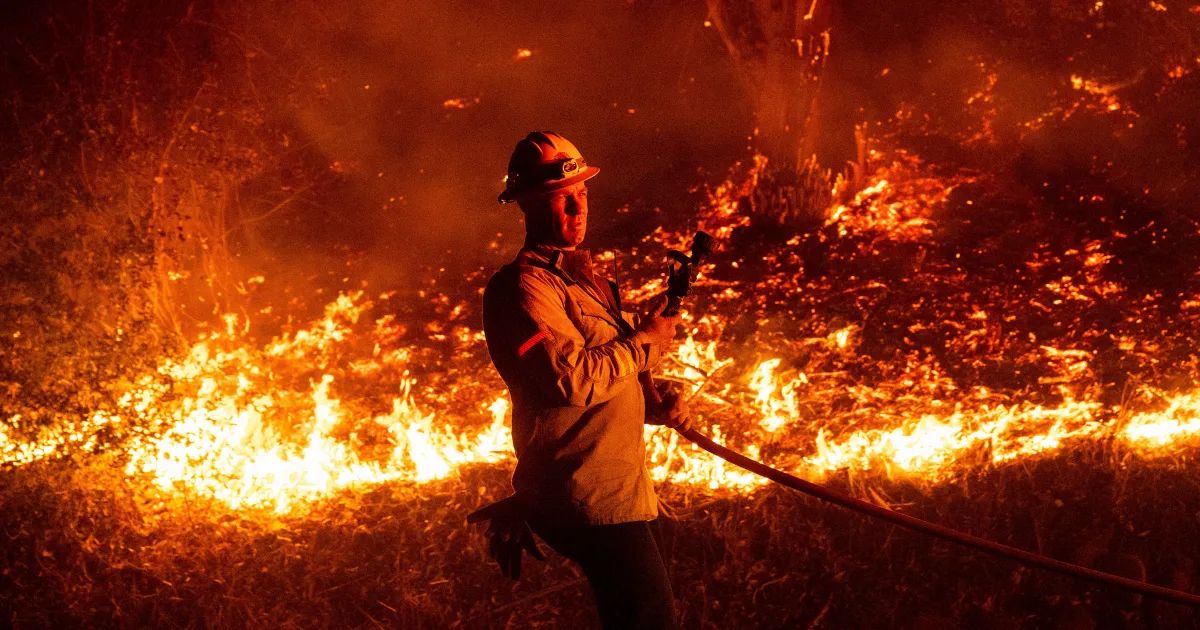
Fast-moving wildfires have devastated neighbourhoods across the western United States, destroying hundreds of homes, forcing tens of thousands of residents to flee, and leaving emergency responders battling multiple blazes amid extreme heat, drought, and strong winds.
The latest outbreak, centred around Spokane in eastern Washington State, has become one of the most destructive wildfire events of the 2026 fire season. Authorities say the fires have already consumed hundreds of structures, prompted widespread evacuations, and stretched firefighting resources as dangerous weather conditions continue to fuel the flames. (AP News)
Hundreds of Structures Destroyed
The most destructive blaze, known as the Spokane Complex Fire, swept through residential communities after igniting amid high temperatures and strong winds.
According to Washington emergency officials, the fire has destroyed at least 600 structures, including homes, businesses, and outbuildings. Entire neighbourhoods have been reduced to ashes as flames spread through residential areas with little warning. Thousands of residents were forced to abandon their homes as evacuation orders expanded across Spokane County.
Authorities said approximately 60,000 people were placed under evacuation orders, making it one of the largest emergency evacuations in the state's recent history. Patients from the local U.S. Department of Veterans Affairs medical centre were also relocated as a precaution.
Firefighters Face Difficult Conditions
Fire crews have been working around the clock to contain the rapidly spreading fires, but efforts have been hampered by hot temperatures, low humidity, steep terrain, and gusty winds.
Officials reported that some fires remained 0% contained during the early stages of the disaster, allowing flames to spread quickly across dry vegetation and into residential communities. Air tankers and helicopters were temporarily grounded in some areas after unauthorised drones entered restricted airspace, disrupting aerial firefighting operations.
Emergency shelters have been opened at community centres and convention facilities to accommodate displaced residents, while utility companies continue working to restore electricity after transmission lines were damaged by the fires.
Wildfires Spread Across the Western United States
The destruction in Washington is part of a much broader wildfire emergency affecting several western states.
Large fires are also burning across Oregon, Idaho, Utah, Montana, California, Arizona, Nevada, Colorado, Wyoming, Alaska, and New Mexico. The National Interagency Fire Centre reports that the United States currently has 99 large active wildfires, with the number of fires and acreage burned already exceeding the country's ten-year average. (Axios)
In neighbouring Oregon and Idaho, another major wildfire has scorched more than 525 square miles of grasslands and forest, threatening over 1,400 structures and numerous cattle ranches. In central Utah, a separate wildfire has claimed more than 100 cattle while forcing mandatory evacuations near the town of Fillmore.
Extreme Heat Fuels the Crisis
Meteorologists say the current wildfire outbreak has been intensified by an intense heat wave gripping much of the western United States.
Temperatures have climbed well above seasonal averages, with cities such as Las Vegas recording highs of around 115°F (46°C), while Phoenix approached 116°F (47°C). The prolonged heat has dried vegetation, creating ideal conditions for fires to ignite and spread rapidly.
The National Weather Service has issued Red Flag Warnings across several states, cautioning that strong winds, low humidity, and dry fuels significantly increase the likelihood of explosive fire growth.
Climate Change Raises Long-Term Concerns
Scientists increasingly link the growing intensity and frequency of wildfires to climate change.
Warmer temperatures, prolonged droughts, earlier snowmelt, and longer fire seasons have contributed to more destructive fires across the western United States. Research published by the U.S. Geological Survey and Nature Communications shows that modern urban wildfires are increasingly affecting densely populated neighbourhoods rather than only remote forests, exposing more homes and infrastructure to risk. (USGS)
The U.S. Forest Service has also emphasised the importance of improved wildfire-risk mapping, fuel management, and community preparedness to reduce future losses.
Health and Environmental Impact
Beyond destroying homes, the fires have severely affected air quality across large parts of the western United States.
Smoke from the blazes has prompted public health advisories, with officials urging vulnerable populations, including children, older adults, and people with respiratory illnesses, to remain indoors whenever possible. Poor air quality has also disrupted outdoor activities and travel in several affected regions. (Axios)
Wildfires also pose long-term environmental challenges by destroying wildlife habitats, releasing significant amounts of carbon dioxide into the atmosphere, and increasing the risk of soil erosion and flooding after the fires are extinguished.
Government Response
Washington Governor Bob Ferguson declared a statewide emergency to mobilise additional resources, including the National Guard, to assist with firefighting, evacuations, and recovery efforts. Federal agencies are coordinating with state and local authorities to provide aircraft, personnel, and logistical support as the wildfire emergency continues. (AP News)
Officials have urged residents in threatened communities to comply immediately with evacuation orders, warning that rapidly changing fire conditions can leave little time to escape safely.
Outlook
Fire officials caution that the wildfire season is far from over. Forecasts indicate continued hot and dry weather across much of the western United States, raising concerns that additional fires could ignite in the coming weeks.
As climate conditions continue to favour extreme fire behaviour, experts say investments in forest management, resilient infrastructure, early-warning systems, and community preparedness will be essential to reducing the devastating impact of future wildfires.
For now, thousands of displaced residents face an uncertain future as firefighters continue working to protect lives, homes, and critical infrastructure from one of the most destructive wildfire seasons in recent years.