US to Revoke Passports of Parents Owing Child Support in Major Enforcement Crackdown
The United States government has announced plans to revoke passports of parents owing significant child support, beginning with debts above $100,000 before expanding to those owing over $2,500.
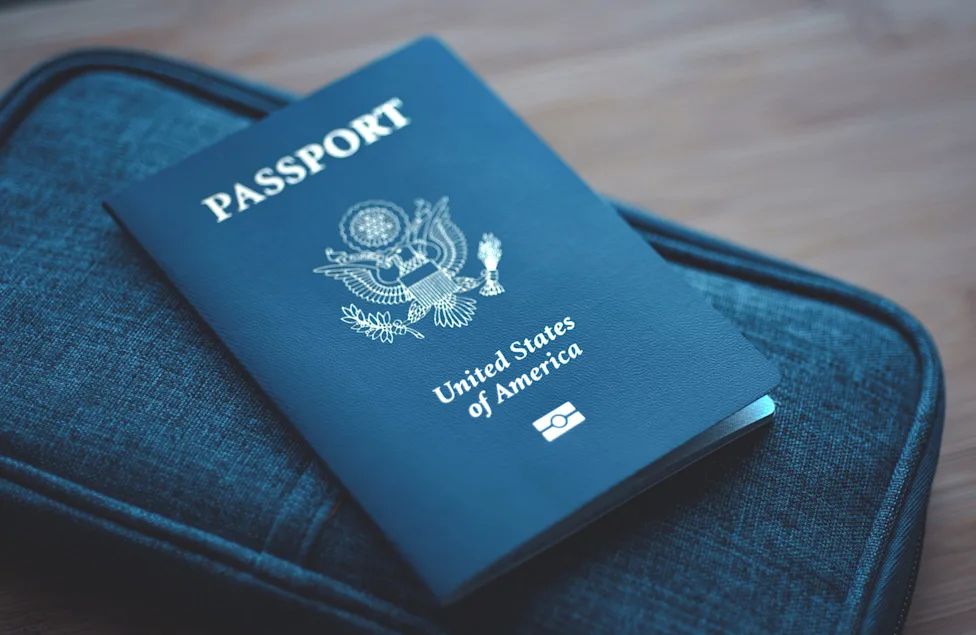
The United States government is set to begin revoking the passports of thousands of parents who owe large sums in unpaid child support, marking one of the most aggressive enforcement actions tied to family welfare obligations in recent years.
According to reports from the Associated Press and Reuters, the U.S. State Department confirmed that the enforcement exercise would begin immediately, initially targeting parents with child support debts exceeding $100,000. Officials say the policy will later expand to include individuals owing more than $2,500, the threshold established under existing federal law. (Reuters)
The move signals a significant shift in how U.S. authorities intend to enforce child support compliance, especially among citizens who continue to travel internationally while failing to meet court-ordered obligations to their children.
Thousands Already Affected
The State Department disclosed that approximately 2,700 Americans currently fall into the first category of enforcement because they owe at least $100,000 in unpaid child support. Those individuals are expected to begin receiving notices that their passports have been revoked or rendered unusable for international travel.
Authorities say the broader phase of the policy could eventually affect many more people once updated records are fully compiled by state child support agencies and transmitted to federal authorities through the Department of Health and Human Services (HHS).
Previously, enforcement of the law mainly occurred when a person applied for a new passport or attempted to renew an existing one. Under the new approach, however, the federal government will proactively identify delinquent parents and revoke passports even if the holders are not seeking passport services. (AP News)
Officials describe the strategy as a stronger and more direct use of existing legal powers rather than a brand-new law.
The 1996 Law Behind the Policy
The enforcement measure is rooted in legislation passed in 1996 under the Personal Responsibility and Work Opportunity Reconciliation Act. The law permits the federal government to deny, restrict, or revoke passports for individuals owing more than $2,500 in child support arrears. (Wikipedia)
Although the law has existed for nearly three decades, critics and policy analysts have long argued that it was inconsistently enforced. The renewed crackdown appears designed to change that.
Under the process, state child support agencies report delinquent parents to HHS, which then certifies the debt to the State Department. Once certified, passport privileges can be denied or withdrawn until the debt is resolved or repayment arrangements are approved.
The State Department defended the action as necessary to protect children and ensure compliance with court-ordered responsibilities.
In a statement cited by the Associated Press, Assistant Secretary of State for Consular Affairs Mora Namdar said the policy is intended to pressure delinquent parents into fulfilling their obligations.
“We are expanding a commonsense practice that has been proven effective at getting those who owe child support to pay their debt,” Namdar said.
International Travel Restrictions
The implications of the policy are severe for affected individuals, especially those who travel frequently for business, family visits, or international employment.
Officials warned that once a passport is revoked, it can no longer be used for international travel. Individuals who are overseas at the time of revocation may be required to visit a U.S. embassy or consulate to obtain temporary emergency travel documents allowing them to return home.
The State Department also emphasized that paying the outstanding debt does not automatically reactivate an invalidated passport. Instead, affected citizens would need to apply for a completely new passport after their records are cleared by state enforcement agencies. (Punch Newspapers)
Officials are urging indebted parents to contact child support agencies immediately to negotiate payment plans before enforcement escalates further.
Millions Recovered Through Passport Enforcement
Federal authorities argue that passport restrictions have already proven successful in recovering unpaid support for children.
According to the State Department, the passport denial and restriction program has helped states collect approximately $657 million in unpaid child support since the initiative began in earnest in 1998. More than $156 million was reportedly recovered over the last five years alone through lump-sum payments tied to passport enforcement.
Officials also claim that the mere announcement of the expanded enforcement campaign earlier this year prompted hundreds of parents to begin settling their debts before the policy officially took effect.
Supporters of the policy argue that international travel is a privilege and that parents who fail to support their children should face tangible consequences.
Child advocacy groups in the United States have largely welcomed the tougher approach, saying unpaid child support often leaves custodial parents struggling financially while children suffer from reduced access to healthcare, education, and necessities.
Critics Raise Concerns
Despite support from family welfare advocates, critics say the policy may create unintended economic hardships.
Some legal experts argue that revoking passports could affect people whose jobs require international travel, potentially making it harder for them to earn the income needed to repay child support debts. Others have questioned whether the federal government should apply blanket penalties without considering the circumstances surrounding each case.
Civil liberties advocates have also expressed concerns about overdue process protections and the accuracy of child support records maintained across different state agencies.
However, federal law requires that individuals receive notice of their delinquent status and be allowed to contest the determination before passport action is finalized.
A Stronger Enforcement Era
The policy expansion reflects a broader trend toward stricter enforcement mechanisms in the United States, particularly under the current administration’s emphasis on accountability and compliance with federal obligations.
By turning passports into an enforcement tool, authorities hope to create enough pressure to compel delinquent parents to fulfill their responsibilities voluntarily rather than through prolonged legal battles.
For thousands of Americans already flagged by federal authorities, the message is now clear: unresolved child support debt could soon come at the cost of international mobility.