US Sends Military Team to Nigeria to Help Fight Terrorists
The United States has deployed a military team to Nigeria to support counter-terrorism efforts against Boko Haram and ISWAP. Explore the reasons, context, regional implications, and how this move could reshape security, diplomacy, and Nigeria’s sovereignty.
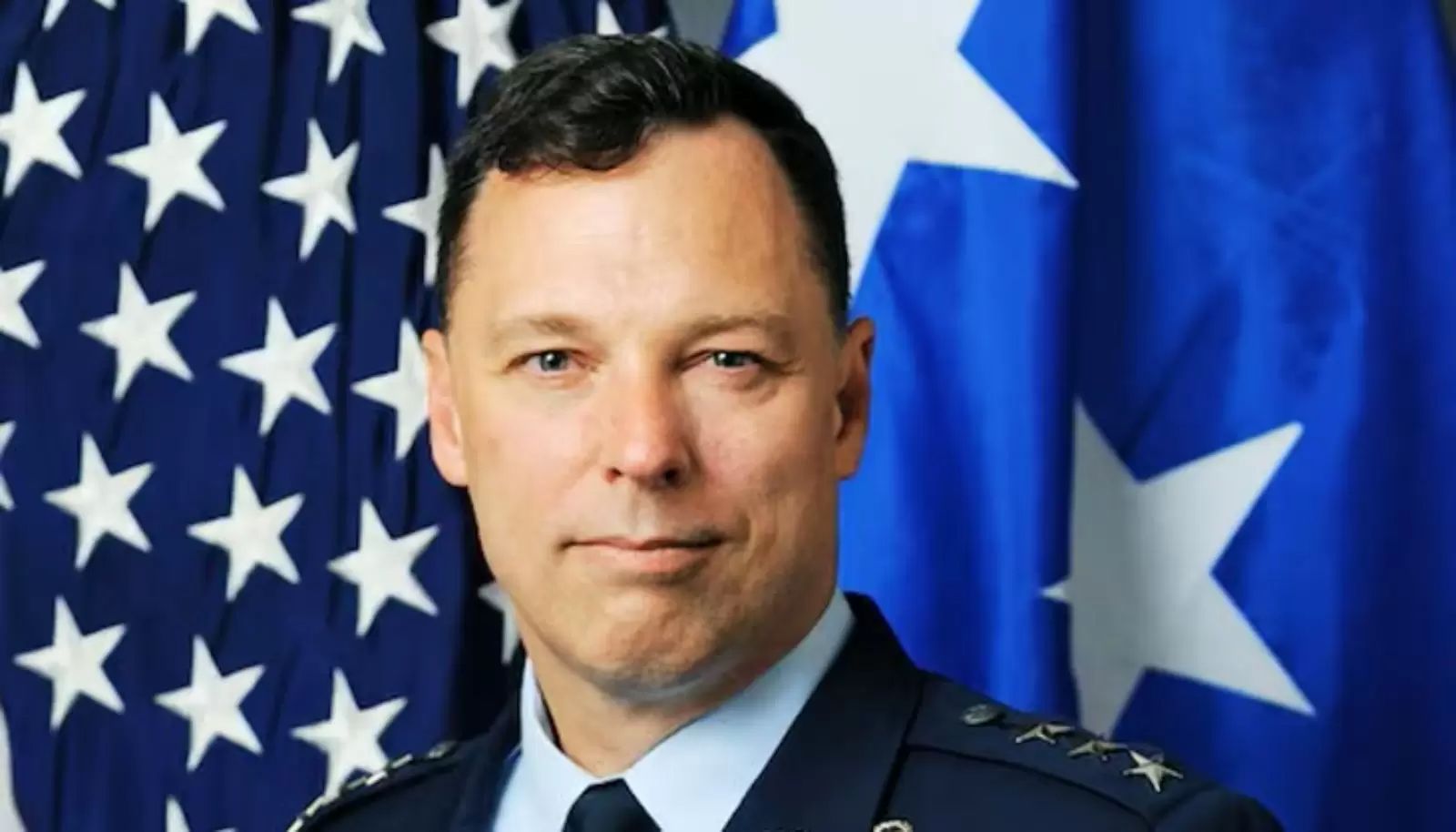
On February 3, 2026, the United States confirmed the deployment of a small military team to Nigeria, marking a notable escalation in U.S.–Nigeria security cooperation amid escalating militant violence in West Africa. The announcement by General Dagvin R.M. Anderson, head of the U.S. Africa Command (AFRICOM), came after consultations with Nigerian President Bola Tinubu and follows a series of U.S. military actions in Nigeria since late 2025. (Nairametrics)
This deployment is the first public acknowledgment of U.S. troops on Nigerian soil in relation to the recent security crisis, underscoring heightened collaboration between Washington and Abuja to counter persistent threats from extremist groups like Boko Haram and the Islamic State West Africa Province (ISWAP). (AP News)
What the Deployment Entails
According to U.S. and Nigerian officials, the team consists of military officers and specialists who bring “unique capabilities” designed to support Nigeria’s longstanding counter-terrorism operations. While the exact composition and mission details remain undisclosed, the deployment is widely understood to encompass intelligence sharing, advisory support, and technical assistance rather than large-scale combat operations. (Military Times)
This step also follows U.S. airstrikes in Nigeria on December 25, 2025, targeting Islamic State-linked militants in the northwest of the country - a rare instance of U.S. kinetic military action on Nigerian territory in coordination with Abuja. (Wikipedia)
Context: Nigeria’s Security Crisis
Nigeria has faced a multi-front security crisis for over a decade. The northeast has been ravaged by the Boko Haram insurgency since 2009, which has left tens of thousands dead and millions displaced. ISWAP, a faction that split from Boko Haram and aligned with ISIS, remains resilient and capable of high-profile attacks. Other security threats include banditry, kidnappings, and communal violence across the northwest and central regions.
The cumulative effect has been profound - crippling local economies, disrupting education, and eroding public trust in government security institutions. Despite strides by the Nigerian military, extremist groups continue to exploit vast rural areas and porous borders.
Why the U.S. Is Involved Now
The U.S. military presence in Nigeria reflects broader strategic concerns in the Sahel and West Africa, where extremist groups have gained ground due to weak governance and regional instability. According to analysts, the Sahel’s deteriorating security environment poses risks not only for local populations but also for U.S. and European interests, including counter-terrorism goals and migration pressures. (Council on Foreign Relations)
The Trump administration’s public narrative has at times focused on accusations that Nigeria was failing to protect Christian communities, though claims fiercely rejected by Nigerian officials who stress that violence affects people of all faiths. This dispute culminated in Nigeria’s designation by the U.S. as a Country of Particular Concern on religious freedom, a diplomatic categorization that signaled friction between the two governments.
However, U.S. officials have emphasized that security cooperation with Nigeria is rooted in mutual interests to counter terror threats, broaden intelligence capabilities, and stabilize a key regional partner.
Implications for Nigeria
1. Security Enhancements - But Limits Exist
The immediate implication is a boost to Nigeria’s counter-terrorism capacity. U.S. expertise in intelligence, surveillance, and reconnaissance could help Nigerian forces better target extremist networks. Similar collaborative efforts have helped other African militaries improve operational effectiveness without compromising sovereignty. (Army)
Yet, many Nigerians remain wary of foreign military involvement. Critics argue that broad U.S. engagement could undermine Nigerian sovereignty or entangle the country in geopolitical competition rather than addressing root causes like poverty, governance deficits, and inter-communal tensions. (TheCable)
2. Diplomatic Strain and Oversight
Washington’s approach has stirred debate. Some Nigerian leaders and commentators have expressed concern that external military involvement might shift the focus from Nigerian government responsibilities to foreign intervention. Historical grievances over colonialism and post-independence autonomy further amplify skepticism towards foreign troops on Nigerian soil.
3. Public Perceptions and Political Dynamics
Domestically, the deployment may fuel political discourse on national security policy and foreign relations. Proponents view intergovernmental cooperation as necessary to counter sophisticated threats; opponents fear perpetual foreign military footprint, unnecessary foreign entanglements, and a shift of public resources towards security at the expense of social development.
Regional and Continental Effects
1. Evolving Counter-Terrorism Frameworks
Nigeria’s collaboration with the U.S. could set precedents for broader West African security partnerships. Neighboring countries grappling with jihadist groups might seek similar cooperation, potentially reshaping how African states balance sovereignty with external assistance in combating violent extremism.
2. Strengthening Regional Forces
If U.S. involvement facilitates capacity building and intelligence networks, West African militaries - including those in Niger, Chad, and Cameroon could benefit from shared insights and joint operations. This could contribute to more cohesive regional responses to insurgent mobility across borders.
3. Geopolitical Competition
As Western powers deepen security ties in West Africa, other actors like Russia and China continue engaging the continent through military training, arms sales, and infrastructure investments. The growing complexity of external influence may drive competition for strategic access and policy alignment among African states.
Conclusion
The deployment of a U.S. military team to Nigeria is a significant development in bilateral relations and regional security cooperation. While it underlines mutual concern over militant threats and shared strategic interests, the move also raises important questions about sovereignty, public perception, and long-term security strategy for Nigeria and the broader African continent.
Effective collaboration will depend on transparent goals, respect for Nigeria’s agency, and integrated approaches that combine military assistance with political, economic, and social investments to build resilient communities and sustainable peace.