US-Sanctioned Ships Defy Hormuz Blockade as China Calls Trump’s Move “Dangerous”: Global Risks and Strategic Implications
US-sanctioned vessels passed through the Strait of Hormuz despite Trump’s blockade, as China condemns the move as “dangerous.” Here’s what it means for global trade, oil, and geopolitics.
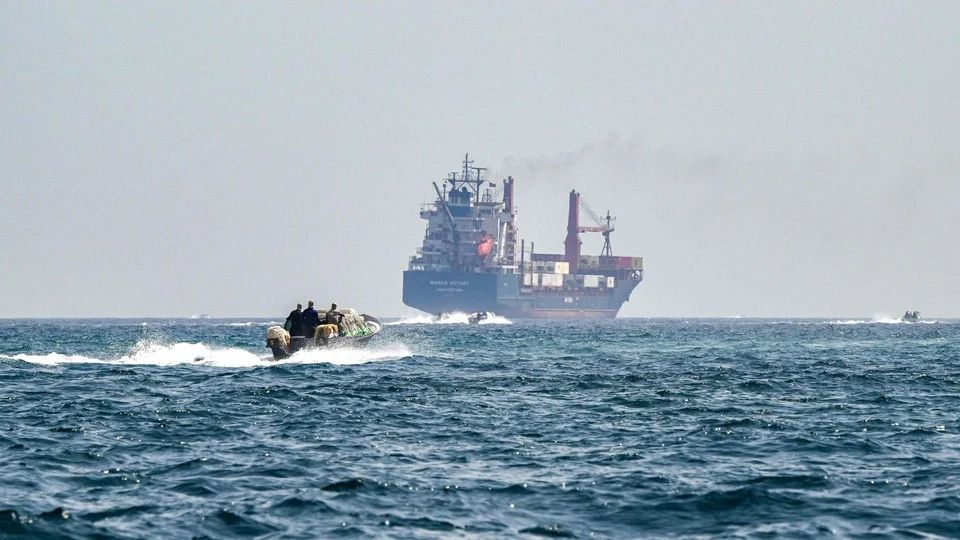
The already volatile situation in the Middle East escalated further this week as U.S.-sanctioned ships successfully passed through the Strait of Hormuz despite a newly announced American naval blockade targeting Iranian-linked trade.
At the same time, China issued a sharp rebuke of the move, describing it as “dangerous and irresponsible,” signaling rising global tensions over what is quickly becoming one of the most consequential maritime standoffs in recent history.
The developments, unfolding between April 13 and April 14, 2026, highlight a troubling reality: even as military pressure intensifies, the blockade appears porous, contested, and geopolitically risky.
Sanctioned Ships Pass Through Despite Blockade
Shipping data confirmed that multiple vessels, including U.S.-sanctioned tankers, successfully transited the Strait of Hormuz on the first full day of the blockade.
Among them were:
- The Chinese-linked tanker Rich Starry
- The sanctioned vessel Murlikishan
- A third tanker carrying petrochemical cargo
These ships were able to pass through because they were not directly heading to Iranian ports, placing them technically outside the scope of the U.S. enforcement order. (Reuters)
This loophole underscores a critical limitation of the blockade: it does not fully restrict maritime movement in the region but instead targets specific categories of shipping.
China Reacts: “Dangerous and Irresponsible”
China responded swiftly and sharply to the U.S. move. Its foreign ministry warned that the blockade could escalate tensions and destabilize global trade routes.
Beijing described the action as “dangerous and irresponsible,” emphasizing that it could worsen an already fragile geopolitical environment.
China’s reaction is significant for two reasons:
- It is one of the largest consumers of Middle Eastern oil.
- Chinese-linked vessels are already involved in Hormuz transit, including those under U.S. sanctions.
This places Beijing in direct strategic tension with Washington over the future of maritime security in the Gulf.
The Blockade: What the U.S. Is Trying to Achieve
The blockade was announced by Donald Trump following the collapse of US–Iran peace talks in Islamabad.
Its primary objectives include:
- Cutting off Iran’s oil exports
- Preventing ships from trading with Iranian ports
- Pressuring Tehran to abandon its nuclear ambitions
The U.S. military clarified that the blockade applies mainly to vessels entering or leaving Iranian ports - not to all ships passing through the Strait itself. (Wikipedia)
This distinction explains why some sanctioned vessels are still able to transit the waterway.
Why Ships Are Still Moving
Despite the blockade, shipping continues for several key reasons:
1. Limited Scope of Enforcement: The blockade targets Iran-bound or Iran-origin vessels, not all traffic. This allows neutral or redirected ships to pass legally.
2. Strategic Ambiguity: The U.S. has not fully defined enforcement rules, leaving room for interpretation and exploitation by shipping companies.
3. Economic Necessity: The Strait of Hormuz handles roughly 20% of global oil trade, making a full shutdown economically unfeasible.
Global demand ensures that some level of shipping continues, even under heightened risk.
Implications for Global Trade and Energy
1. Oil Markets Remain Volatile: Even without a total shutdown, the blockade has already driven oil prices above $100 per barrel and increased market uncertainty. (The Washington Post)
Energy-importing countries, especially in Asia and Africa, face rising costs and inflationary pressure.
2. Shipping Risks Are Increasing: Insurance premiums for vehicles transiting the Gulf are expected to rise sharply. Shipping companies must now weigh profitability against the risk of interception or conflict.
3. Supply Chains Under Threat: Disruptions in Hormuz affect not just oil but also petrochemicals and global manufacturing inputs. Any prolonged instability could ripple across global supply chains.
Geopolitical Fallout: A New Axis of Tension
The situation is no longer just a U.S.–Iran issue, it is becoming a broader geopolitical confrontation.
US vs Iran
The blockade increases the risk of direct military confrontation, with Iran warning it will treat enforcement as an act of aggression.
US vs China
China’s criticism signals growing friction between the world’s two largest economies over energy security and global trade routes.
Global Divide
Several countries, including European allies, have shown reluctance to support the blockade, highlighting divisions within Western alliances. (The Guardian)
A Blockade That Changes Less Than Expected
Despite the dramatic headlines, the early evidence suggests that the blockade has not fundamentally altered the flow of maritime traffic.
Ships are still moving. Oil is still being transported. Trade has slowed but not stopped.
This raises an important question:
Is the blockade more symbolic than effective?
Experts argue that the measure functions more as a pressure tactic than a fully enforceable strategy. It signals with intent without delivering complete control.
Risks Going Forward
1. Escalation Through Miscalculation: With U.S., Iranian, and potentially Chinese-linked vessels operating in proximity, the risk of accidental confrontation is high.
2. Expansion of the Conflict: If enforcement tightens or clashes occur, the conflict could expand beyond the Gulf region.
3. Economic Shockwaves: Any disruption to Hormuz could trigger global inflation, currency instability, and economic slowdown.
Conclusion: A Fragile Balance Between Power and Reality
The passage of U.S.-sanctioned ships through the Strait of Hormuz, despite an active blockade, reveals a deeper truth about the current crisis.
Power can be projected, but control is far more difficult to enforce.
While the United States seeks to pressure Iran through maritime restrictions, the realities of global trade, economic interdependence, and geopolitical rivalry limit the effectiveness of such measures.
China’s warning adds another layer of complexity, transforming the situation into a multi-power standoff with global consequences.
In the end, the Hormuz crisis is not just about ships or sanctions; it is about the limits of unilateral action in an interconnected world.