US Pauses Strait of Hormuz Operation Impacts Global Oil, Security, and Iran Talks
The US has paused its operation to reopen the Strait of Hormuz amid Iran negotiations. Here’s what happened, why it matters, and the global implications.
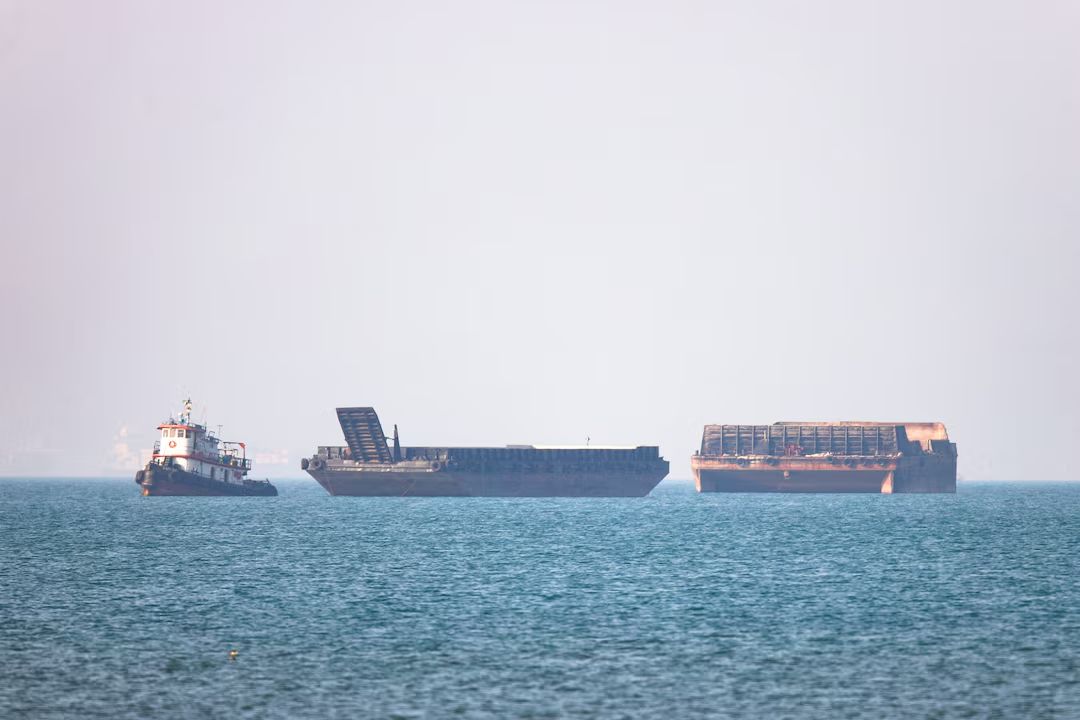
The United States has announced a temporary pause in its military operation to reopen the Strait of Hormuz, a critical global shipping route, signaling a potential shift from military confrontation to diplomacy in the escalating Middle East crisis.
The decision, confirmed by Donald Trump, comes at a time when tensions between the US and Iran remain high, but negotiations toward a possible agreement appear to be gaining traction.
What Happened: The Rise and Pause of “Project Freedom”
The US had launched a naval initiative dubbed Project Freedom to escort commercial vessels and reopen safe passage through the Strait of Hormuz after Iran effectively restricted movement in the waterway. (TPR)
This strategic chokepoint, located between Iran and Oman, is one of the most important shipping routes in the world, responsible for roughly 20% of global oil trade. (Reuters)
However, just days after the operation began, Trump announced it would be paused “for a short period” to allow ongoing negotiations with Iran to progress toward a final agreement. (MarineLink)
Despite the pause, the US has maintained its broader blockade measures and military presence in the region.
Why the US Paused the Operation
The decision was not due to failure on the battlefield, but rather a calculated diplomatic move.
According to US officials, several factors influenced the pause:
- Progress in negotiations with Iran: Talks are reportedly advancing toward a possible ceasefire or broader agreement.
- International pressure: Countries, including Pakistan and others, urged restraint to avoid further escalation. (Al Jazeera)
- Humanitarian concerns: Thousands of sailors and ships remain stranded in the Gulf due to the conflict. (New York Post)
In essence, the pause is a confidence-building measure to create space for diplomacy without fully abandoning military leverage.
The Strait of Hormuz: Why It Matters So Much
To understand the significance of this move, it’s important to grasp the strategic importance of the Strait of Hormuz.
The Strait of Hormuz is not just another shipping lane; it is the artery of the global energy system.
When it is disrupted, oil prices spike globally, supply chains are affected, and energy-importing countries face economic pressure.
In recent weeks, the near closure of the strait led to a surge in global oil prices and disrupted hundreds of ships.
What the Pause Means for Global Oil Markets
One of the most immediate impacts of the US decision has been seen in the energy market.
Oil prices dropped sharply following news of the pause and potential US-Iran agreement, reflecting investor optimism that tensions could ease.
This reaction highlights a key reality:
- War drives oil prices up
- Diplomacy brings them down
For countries heavily dependent on oil imports, including many in Africa and Europe, this development could offer short-term economic relief.
A Fragile Path Toward Diplomacy
While the pause signals hope, it does not guarantee peace.
The US-Iran relationship remains deeply strained, with both sides accusing each other of aggression. Recent clashes in the region, including missiles and drone attacks, underscore how fragile the situation remains.
Even as talks continue, analysts warn that:
- A single miscalculation could reignite full-scale conflict
- Iran’s internal political dynamics complicate negotiations
- US domestic political pressures may influence decisions
In other words, the pause is a window of opportunity - not a resolution.
Military Strategy Still in Play
Importantly, the US has not withdrawn from the region.
Naval forces remain active, and the blockade of Iranian ports is still in place.
This means the US is pursuing a dual-track strategy:
- Maintain military pressure
- Pursuing diplomatic solutions
Such an approach allows Washington to negotiate from a position of strength while avoiding further escalation.
What It Means for Global Security
The implications go beyond oil and diplomacy; they extend into global security.
1. Reduced Immediate Risk of War: The pause lowers the likelihood of direct confrontation in the short term, giving both sides time to negotiate.
2. Uncertainty Remains High: The region is still volatile, with ongoing military activity and unresolved tensions.
3. Precedent for Future Conflicts: The move could shape how major powers handle similar crises - balancing force with negotiation.
Impact on Shipping and Trade
The Strait of Hormuz is not just about oil; it is also a key route for global trade.
Hundreds of ships had been stranded due to the conflict, with thousands of crew members affected.
The US operation had begun to restore limited movement, escorting vessels through the strait under military protection.
With the pause shipping remains partially disrupted, companies may remain cautious about using the route, and insurance costs for vessels could stay high.
This means global trade flows are still vulnerable.
Political Implications for the US
For Trump, the decision carries both risks and potential rewards.
On one hand, pausing a military operation could be seen as a step toward peace, appealing to global and domestic audiences.
On the other hand, critics may argue it signals weakness or gives Iran time to regroup.
The move also comes amid broader geopolitical considerations, including upcoming political pressures and global alliances.
What Happens Next?
Several scenarios could unfold in the coming weeks:
- Successful agreement: The pause leads to a formal deal, reopening the strait and easing tensions
- Breakdown in talks: The US resumes military operations, escalating the conflict
- Prolonged uncertainty: Negotiations drag on without clear resolution
Each scenario carries significant consequences for global markets, security, and diplomacy.
Conclusion: A Strategic Pause, not a Final Answer
The US decision to pause its operation to reopen the Strait of Hormuz marks a critical turning point in the ongoing crisis.
It reflects a shift from immediate military action to cautious diplomacy but without abandoning strategic pressure.
For the world, the stakes are enormous energy security, global trade stability, and the risk of wider conflict.
Ultimately, this pause is not the end of the story, it is a moment of recalibration in a high-stakes geopolitical chess game.
Whether it leads to lasting peace or renewed conflict will depend on what happens next at the negotiating table.