US Officials, Stockton Leaders Respond as Burna Boy Pledges to Cover Funerals for Children Killed in California
After a mass shooting in Stockton left four young people dead, Grammy-winner Burna Boy pledged to fund their funerals. Here’s how local leaders and U.S. authorities reacted - and what the gesture means for the entertainment industry, African artists, and Nigerian entertainers.
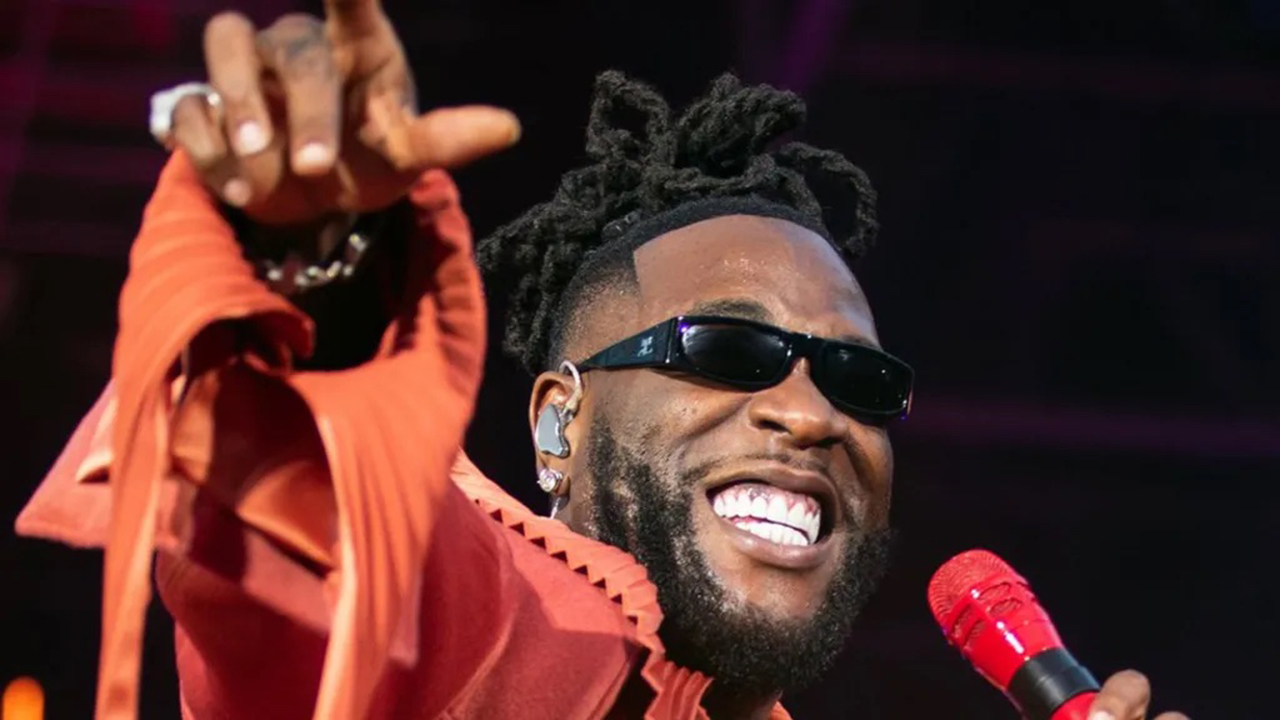
When news broke that a gunman opened fire inside a banquet hall in Stockton, California on November 29, killing four people - including three children, the story rapidly drew global attention and an outpouring of support. Among those who stepped forward was Nigerian superstar Damini “Burna Boy” Ogulu, who said he would cover the funeral costs for the four victims after hearing details on a U.S. radio show. Local officials in Stockton praised the gesture, while U.S. federal agencies remained focused on the criminal investigation. The response shines a light on celebrity philanthropy, the role of African artists on the global stage, and pressures facing Nigerian entertainers today. San Francisco Chronicle+2Billboard+2
Stockton Vice Mayor Jason Lee confirmed Burna Boy’s outreach after being contacted through music-industry connections. Lee thanked the artist and described the singer’s action as an example of solidarity at a time of acute community grief. Local reporting notes Burna Boy said he learned about the killings while listening to "The Breakfast Club" radio show and that he reached out to facilitate support for the families.
At the federal level, no formal White House or U.S. State Department statement specifically addressed Burna Boy’s pledge as of publishing; officials instead urged patience as local and state law enforcement continue to investigate motives and identify suspects. The San Joaquin County Sheriff’s Office has said investigators are exploring all leads, including possible gang connections, and confirmed no arrests linked directly to the shooting had been reported immediately after the tragedy. The lack of an explicit federal comment on a celebrity’s charitable act is not unusual: agencies typically restrict public commentary to the progress of criminal inquiries and resources for victims. Los Angeles Times
Major entertainment outlets quickly covered Burna Boy’s intervention. The San Francisco Chronicle, Billboard and Vice described the singer’s decision in human terms - a high-profile artist trying to relieve the immediate financial burden on bereaved families. Reporting also noted the singer had recently faced controversy on tour after calling out grieving concertgoers, an episode that had produced social media backlash and ticket-market consequences - a context that makes this philanthropic move also an act of reputation management for some observers. 2Billboard
Why this matters to the entertainment industry
Burna Boy’s pledge highlights a recurring dynamic in modern celebrity culture: artists are expected, and sometimes compelled, to step into public-service roles when disasters strike. For the industry, the action underscores both the soft power entertainers wield and the reputational stakes they carry. High-profile philanthropy can mobilize help faster than bureaucracies and can redirect attention, resources and public sympathy to victims. At the same time, such gestures can be scrutinized for timing or intent, particularly if the artist is already under criticism. Billboard+1
Implications for African entertainers and the Afrobeats movement
For African artists, particularly those from Nigeria’s booming Afrobeats scene, Burna Boy’s intervention reinforces their expanding global influence. The artist’s capacity to coordinate transnational support demonstrates how African entertainers are no longer solely cultural exporters but also stakeholders in global social conversations. This act may encourage other African stars to take more visible philanthropic roles and to build formal channels for disaster response and community support. Industry executives and managers may also see reputational and partnership value in aligning high-impact charitable programs with touring schedules and global PR strategies. The Source+1
What this means for Nigerian entertainers specifically
For Nigerian performers, the episode is double-edged. On one hand, Burna Boy’s generosity is a moment of pride - proof that Nigerian artists can respond quickly and meaningfully on the world stage. On the other hand, the incident is a reminder of the reputational fragility artists face when controversies - whether on stage or in private life - pile up. Burna Boy’s recent concert backlash shows that forgiveness in public opinion is possible, but often contingent on visible remedial actions. Nigerian entertainers and their teams may see increased incentive to institutionalize philanthropic outreach (charitable foundations, emergency funds, or vetted partnerships with NGOs) to ensure their responses are coordinated, transparent and less open to public skepticism.
A broader civic moment: celebrities, communities, and policy
Burna Boy’s act also raises a larger policy conversation in the U.S. - and for global audiences - about the role of private wealth in responding to mass-violence tragedies. While celebrity donations can ease immediate financial pressures, they do not substitute for long-term policy solutions on gun violence, mental health, or youth programs. City leaders in Stockton and elsewhere have acknowledged the need for systemic investment alongside the short-term relief celebrities provide. Los Angeles Times
Burna Boy’s pledge to fund the funerals for the Stockton victims is a powerful example of global celebrity compassion - one that underscores the growing civic role African entertainers occupy internationally. Local leaders welcomed the support, while federal authorities continued to focus on the criminal investigation. For the entertainment sector, the episode is a reminder that influence and responsibility travel together: artists who operate on a global stage can drive meaningful relief, but sustainable impact depends on institutional partnerships and public trust. For Nigerian entertainers, the moment is both an opportunity to deepen philanthropic infrastructure and a caution about the reputational stakes that come with visibility.