US Judge Voids Donald Trump’s $1.8 Billion IRS Settlement That Shielded Him from Tax Audits
A U.S. federal judge has voided a controversial settlement that granted President Donald Trump immunity from IRS tax audits and proposed a $1.8 billion anti-weaponization fund, ruling the agreement had no legal basis.
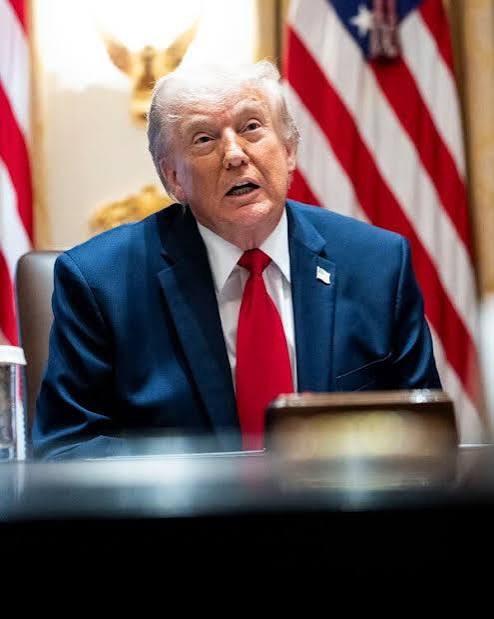
A U.S. federal judge has struck down a controversial legal settlement that granted President Donald Trump and his affiliated businesses broad protection from Internal Revenue Service (IRS) tax audits, ruling that the agreement lacked a proper legal foundation and represented an improper use of the judicial system.
The decision, delivered by U.S. District Judge Kathleen Williams, nullifies a settlement that also proposed the creation of a nearly $1.8 billion "anti-weaponization" fund intended to compensate individuals who claimed they had been unfairly targeted by the federal government. The fund was later abandoned following bipartisan criticism in Congress.
Judge Williams concluded that the lawsuit leading to the settlement was filed for an "improper purpose" and failed to meet the constitutional requirement that opposing parties in a civil case be genuinely averse to one another. Because Trump was serving as president and ultimately oversaw the IRS and the Justice Department, the court found the litigation did not present a legitimate legal dispute. (Reuters)
Court Rejects Tax Audit Immunity
Under the now-voided settlement, the federal government had agreed to permanently shield Trump, members of his family and certain business entities from IRS audits relating to past tax filings.
The agreement also stated that the government would not pursue investigations into tax matters that had been raised or could have been raised before the settlement took effect.
Judge Williams ruled that such sweeping protections had no basis in law and could not be enforced.
In her order, she barred Trump and government officials from citing the settlement in any future judicial or regulatory proceedings, effectively restoring the possibility that the IRS could examine relevant tax matters under normal legal procedures. (Bloomberg Law)
Origins of the Lawsuit
The legal dispute began after Trump sued the IRS over the unauthorized disclosure of his confidential tax information by former IRS contractor Charles Littlejohn.
Trump argued that the agency failed to adequately protect his private financial records after they were leaked to the media.
The lawsuit initially sought approximately $10 billion in damages.
In May, the Justice Department announced that the parties had reached a settlement under which Trump agreed to withdraw the lawsuit. In exchange, the government unveiled the proposed $1.8 billion anti-weaponization fund and broad tax protections for Trump and his associated entities.
The proposed compensation fund quickly became the subject of political controversy, drawing criticism from both Democratic and Republican lawmakers before the Justice Department abandoned that portion of the agreement. (Investing.com)
Judge Criticizes Legal Process
Judge Williams issued a strongly worded opinion criticizing both the way the case was handled and the conduct of lawyers involved in negotiating the settlement.
She wrote that the lawsuit appeared designed not to resolve a genuine legal dispute but to provide judicial legitimacy for an agreement benefiting the president.
According to the ruling, the court could not allow its processes to be used to validate arrangements that conflicted with constitutional principles governing federal courts.
The judge also referred to one of Trump's attorneys, Alejandro Brito, to state bar authorities for possible disciplinary proceedings and ordered that another lawyer, Daniel Epstein, face sanctions affecting his ability to appear in certain federal court proceedings.
Senior Justice Department officials who approved the settlement were likewise referred to disciplinary authorities for review of their conduct.
Constitutional Questions
Legal analysts say the case raises significant constitutional issues surrounding separation of powers and the requirement that federal courts decide only genuine disputes between adverse parties.
Because the president oversees executive agencies, including the IRS and the Department of Justice, critics argued that Trump effectively controlled both sides of the litigation, making the settlement highly unusual.
Judge Williams agreed that the arrangement lacked the adversarial nature required under Article III of the U.S. Constitution, concluding that the court had been asked to endorse an agreement that exceeded its lawful authority. (Bloomberg Law)
Political and Legal Implications
The ruling is expected to have significant political and legal consequences.
By invalidating the settlement, the court removed the legal protections that had insulated Trump and related entities from future IRS audits under the agreement.
Although the ruling does not determine whether any tax violations occurred, it reopens the possibility that tax authorities could review matters previously covered by the settlement, subject to applicable laws and procedures.
The decision also comes amid continued scrutiny of the Justice Department's handling of the agreement and renewed debate over the limits of executive authority.
Legal experts say the referrals for possible disciplinary action against attorneys involved could result in separate professional ethics investigations, depending on the findings of relevant bar associations.
What Happens Next?
Trump's legal team could seek to challenge the ruling through the federal appeals process.
Any appeal would likely focus on whether Judge Williams had the authority to revisit the settlement after the underlying lawsuit had been dismissed and whether the agreement complied with constitutional and statutory requirements.
For now, however, the judge's order means the settlement has no legal effect, and its provisions including the audit immunity clause cannot be relied upon in future legal proceedings.
The case is expected to remain closely watched by legal scholars, lawmakers and constitutional experts because of its broader implications for presidential power, judicial independence and the limits of settlement agreements involving the federal government.
Judge Williams' decision reinforces the principle that courts exist to resolve genuine legal disputes not to approve agreements that fall outside constitutional boundaries. Whether further appeals follow, the ruling is likely to remain a significant reference point in debates over executive authority and accountability within the American legal system. (REUTER)