US Journalist Shelly Kittleson Kidnapped in Baghdad
American journalist Shelly Kittleson has been kidnapped in Baghdad amid rising Iran - US tensions. This analysis explores what happened, who may be responsible, and the wider implications for press freedom and security.
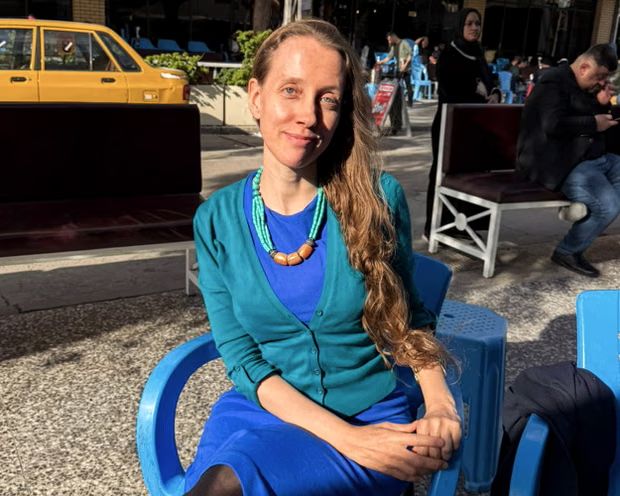
The kidnapping of American journalist Shelly Kittleson in Baghdad marks one of the most alarming incidents involving foreign media in Iraq in recent years. The abduction, which occurred on March 31, 2026, has triggered a multi-agency response from both Iraqi and U.S. authorities, while raising urgent questions about security, geopolitics, and press freedom.
According to multiple reports, Kittleson, a seasoned freelance journalist who has contributed to outlets such as Al-Monitor, BBC, and Politico, was abducted in central Baghdad by armed men in broad daylight.
Security footage reportedly shows her being forced into a vehicle on a busy street, underscoring both the brazenness of the operation and the deteriorating security environment in the Iraqi capital. (AP News)
What Happened: A Coordinated Kidnapping
Initial investigations suggest the kidnapping was carefully planned and executed.
- The abduction took place in central Baghdad, reportedly on Saadoun Street
- At least two vehicles were used, with the victim transferred mid-escape
- Iraqi security forces pursued the kidnappers, causing one vehicle to crash
- One suspect has been arrested, while others remain at large
Despite the partial breakthrough, Kittleson remains missing, and authorities believe she was moved to a second vehicle that successfully evaded capture.
The U.S. State Department has confirmed the incident and stated it is working “to ensure her release as soon as possible.” (The Guardian)
Suspected Perpetrators: Iran-Backed Militias
While no group has officially claimed responsibility, intelligence points toward Kataib Hezbollah, an Iran-aligned militia operating in Iraq.
U.S. officials have indicated that:
- A suspect linked to the group has been detained
- The kidnapping may be tied to escalating regional tensions
- The journalist had previously been warned of security threats (The Guardian)
This connection is significant. Kataib Hezbollah is one of the most powerful Iranian-backed militias in Iraq, with a history of targeting U.S. interests and operating within a complex network of armed groups.
The Bigger Context: War Spillover into Iraq
Kittleson’s kidnapping cannot be viewed in isolation. It is unfolding against the backdrop of escalating conflict between the United States, Israel, and Iran.
As tensions intensify:
- Iraq has become a proxy battleground
- Iran-backed militias have increased attacks on U.S. assets
- U.S. forces have responded with airstrikes
This volatile environment significantly raises the risk for foreign nationals, especially journalists.
Indeed, analysts suggest that kidnappings in such contexts can serve multiple purposes:
- Political leverage
- Retaliation against perceived adversaries
- Messaging tools in asymmetric warfare
A Dangerous Pattern: Journalists as Targets
The abduction highlights a troubling trend - the increasing vulnerability of journalists in conflict zones.
Kittleson is not the first. Iraq has a long history of journalist kidnappings, including the 2006 case of Jill Carroll, who was held for nearly three months before being released.
More recently, the kidnapping of researcher Elizabeth Tsurkov in 2023, reportedly by the same militia group, demonstrates that the threat remains persistent and evolving. (Wikipedia)
What makes Kittleson’s case particularly concerning is:
- The apparent sophistication of the operation
- The involvement of organized militia networks
- The geopolitical timing
Press Freedom Under Threat
Media organizations and advocacy groups have strongly condemned the kidnapping.
Statements from international press bodies emphasize that:
- Journalists are civilians and should not be targeted
- Such incidents undermine global press freedom
- Governments must act decisively to secure safe releases
The targeting of journalists has broader implications:
- It discourages on-the-ground reporting
- It limits global understanding of conflict zones
- It creates an environment of fear and self-censorship
In essence, when journalists are silent, transparency becomes a casualty.
Security Failures and Warning Signs
One of the most troubling aspects of the case is that Kittleson had reportedly been warned about potential threats before her abduction. (ABC News)
This raises difficult questions:
- Were adequate security measures in place?
- Should foreign journalists still be operating independently in high-risk zones?
- Are existing travel advisories sufficient or ignored?
The U.S. government currently maintains a Level 4 “Do Not Travel” advisory for Iraq, citing terrorism, kidnapping, and armed conflict risks.
Yet, journalists often continue to operate in such environments due to the nature of their work highlighting a persistent tension between safety and the need for frontline reporting.
Iraq’s Security Dilemma
For Iraqi authorities, the incident represents both a security challenge and a reputational crisis.
On one hand:
- Security forces responded quickly
- A suspect was arrested
- A manhunt is ongoing
On the other hand:
- The kidnapping occurred in a central, high-traffic area
- Militias continue to operate with relative freedom
- State control over armed groups remains limited
This reflects a broader issue: Iraq’s fragmented security landscape, where state forces coexist uneasily with powerful non-state actors.
Diplomatic and Political Implications
The kidnapping could have significant diplomatic repercussions.
US - Iraq Relations
Washington is likely to pressure Baghdad to secure Kittleson’s release quickly, testing bilateral cooperation.
US - Iran Tensions
If Iran-linked militias are confirmed responsible, the incident could escalate already-strained relations.
Global Media Presence
International media organizations may reconsider operations in Iraq, reducing foreign coverage of the region.
What Happens Next?
The outcome of this case will depend on several factors:
- Intelligence breakthroughs by Iraqi and U.S. agencies
- Whether kidnappers seek ransom, political concessions, or publicity
- The level of diplomatic pressure applied
Historically, such cases can take weeks or even months to resolve.
Conclusion: A Crisis Beyond One Journalist
The kidnapping of Shelly Kittleson is not just an isolated criminal act, it is a reflection of deeper structural problems:
- A fragile security environment in Iraq
- The growing influence of militias
- Escalating geopolitical tensions
- Increasing risks to press freedom
While efforts are underway to secure her release, the incident sends a chilling message to journalists worldwide: conflict zones are becoming even more dangerous, and the line between reporting and personal risk is growing ever thinner.
Ultimately, how this case is resolved will not only determine Kittleson’s fate, but also shape the future of international journalism in one of the world’s most volatile regions.