US - Iran Peace Talks Collapse in Islamabad
The US - Iran peace talks in Islamabad collapsed after 21 hours of negotiations. Here’s why the deal failed, the implications for global stability, and what it means for the future of peace.
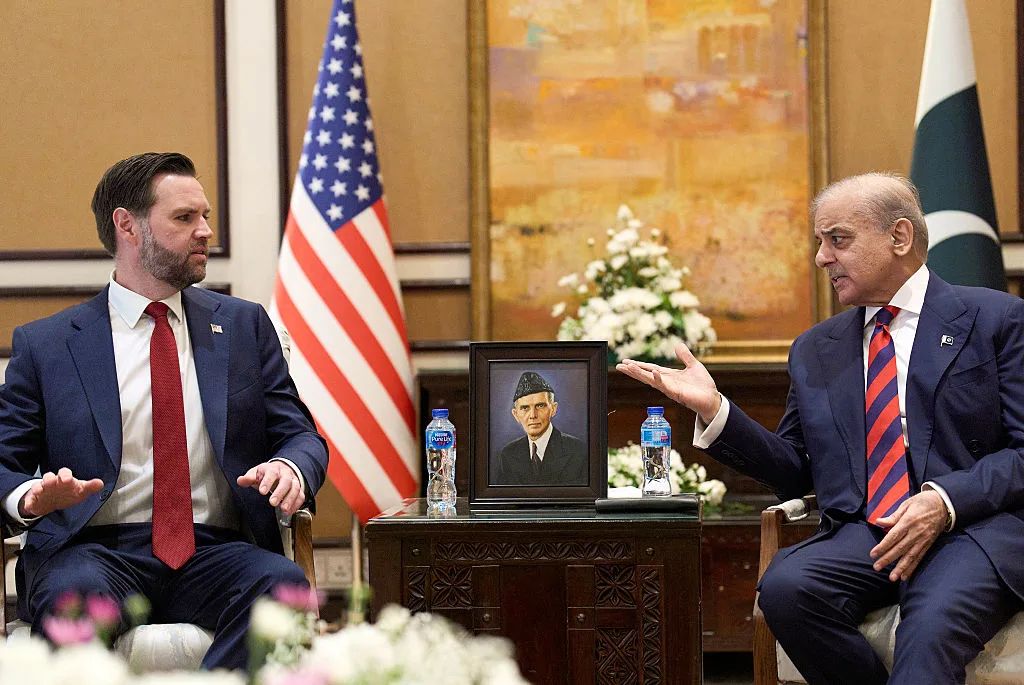
The much-anticipated peace talks between the United States and Iran failed on April 12, 2026, after nearly 21 hours of intense negotiations in Islamabad, Pakistan. The talks were seen as a critical opportunity to stabilize the ongoing 2026 Iran war - collapsed without agreement, raising fresh fears of escalation, economic shock, and a prolonged global crisis.
The breakdown marks one of the most significant diplomatic failures in recent years and casts doubt on the prospects for peace in an already volatile geopolitical landscape.
The Islamabad Talks End Without Agreement
The negotiations, known as the Islamabad Talks, were the highest-level direct engagement between both nations in decades. Mediated by Pakistan, the talks aimed to solidify a fragile ceasefire and lay the groundwork for a lasting peace agreement.
The U.S. delegation, led by Vice President JD Vance, and Iran’s delegation, led by senior political and diplomatic officials, engaged in multiple rounds of discussions. However, despite what both sides described as “substantive” dialogue, the talks ended without a deal.
At the heart of the failure were deep disagreements on critical issues, particularly Iran’s nuclear program and long-term security guarantees.
Why the Talks Failed
1. Nuclear Dispute Remained the Core Obstacle: The most significant sticking point was Washington’s demand that Iran commit to permanently abandoning any capacity to develop nuclear weapons.
The U.S. insisted on a “clear and long-term commitment,” while Iran refused to accept what it saw as excessive restrictions on its sovereignty. (DD News On Air)
For Tehran, the issue was not just about nuclear capability but national pride and strategic deterrence. For Washington, it was a non-negotiable red line tied to global security.
2. Deep Trust Deficit Between Both Sides: Decades of hostility dating back to the 1979 Iranian Revolution continue to shape relations between the two nations.
Iranian officials reportedly stated that the U.S. failed to “gain their trust,” while American negotiators accused Iran of negotiating in bad faith. (Wikipedia)
This mutual suspicion created an environment where even minor disagreements became insurmountable obstacles.
3. Conflicting Strategic Demands: Iran entered the talks with its own conditions, including sanctions relief and withdrawal of U.S. influence in the region. Meanwhile, the U.S. sought broader concessions on Iran’s military posture and regional activities.
These competing demands created a wide gap that neither side was willing to bridge.
4. Fragile Ceasefire Already Under Strain: The talks were built on a shaky two-week ceasefire agreed earlier in April. However, violations, continued military actions, and disputes over the Strait of Hormuz had already undermined confidence.
By the time negotiations began, the ceasefire itself was at risk of collapse.
Immediate Aftermath: Escalation Instead of Peace
Rather than de-escalation, the collapse of the talks triggered immediate tensions.
Following the failure, the U.S. announced plans for a naval blockade targeting Iranian ports, a move that Iran warned could be considered an act of war.
Global markets reacted swiftly. Oil prices surged above $100 per barrel, and stock markets declined as investors fled to safer assets. (Reuters)
Meanwhile, Iran signaled that it had no immediate plans to return to negotiations, further dimming hopes for a quick diplomatic resolution. (New York Post)
Implications for Global Peace
1. Rising خطر of Wider Regional War: The failure of diplomacy increases the likelihood of renewed military confrontation - not just between the U.S. and Iran, but across the broader Middle East.
With allies and proxy groups already involved, any escalation could quickly spiral into a regional conflict.
2. Global Energy Crisis Deepens: The Strait of Hormuz, a critical global oil route, remains at the center of the conflict. Any disruption to this passage threatens global energy supplies.
Analysts warn that oil prices could rise even further, intensifying inflation and economic hardship worldwide. (The Guardian)
3. Economic Shockwaves Across the World: The collapse of the talks has already shaken financial markets. Higher energy costs, disrupted supply chains, and investor uncertainty could push the global economy toward a slowdown or even recession.
Countries heavily dependent on oil imports, particularly in Africa and Asia, are likely to feel the impact most acutely.
4. Declining Faith in Diplomacy: Perhaps the most profound implication is psychological. The failure of such high-stakes negotiations undermines confidence in diplomacy as a tool for conflict resolution.
When talks collapse after intense effort, it reinforces the belief on both sides that force may be more effective than dialogue.
What This Means for Hope
Despite the bleak outlook, mediators from countries like Pakistan, Egypt, and Turkey have indicated that “the door is not closed.” (Axios)
History shows that many major peace agreements emerge after multiple failed attempts. The current breakdown, while significant, may still be part of a longer negotiation process.
However, the window for diplomacy is narrowing. Each failed attempt increases mistrust, hardens positions, and raises the cost of compromise.
A World at a Crossroads
The collapse of the April 2026 US - Iran peace talks highlight a broader reality: the world is entering an era where geopolitical rivalries are intensifying, and diplomatic solutions are becoming harder to achieve.
From Eastern Europe to the Middle East, conflicts are increasingly interconnected. The failure of one major negotiation can ripple across the global system, affecting everything from energy prices to political stability.
Conclusion
The failed peace talks between the United States and Iran represent more than just a diplomatic setback - they are a warning sign for the future of global peace.
At a time when cooperation is urgently needed, the breakdown reveals how deep divisions, mistrust, and competing interests continue to hinder progress. While hope for peace remains, it is now more fragile than ever.
The coming weeks will be critical. Whether through renewed negotiations or further escalation, the decisions made next will shape not just the Middle East, but the entire world.