US Imposes Sanctions on Sudan Over Alleged Use of Chemical Weapons
The United States has imposed new sanctions on Sudan after determining that the country's military used chemical weapons during the ongoing civil conflict. The sanctions include restrictions on exports, government assistance, and access to U.S. financing.
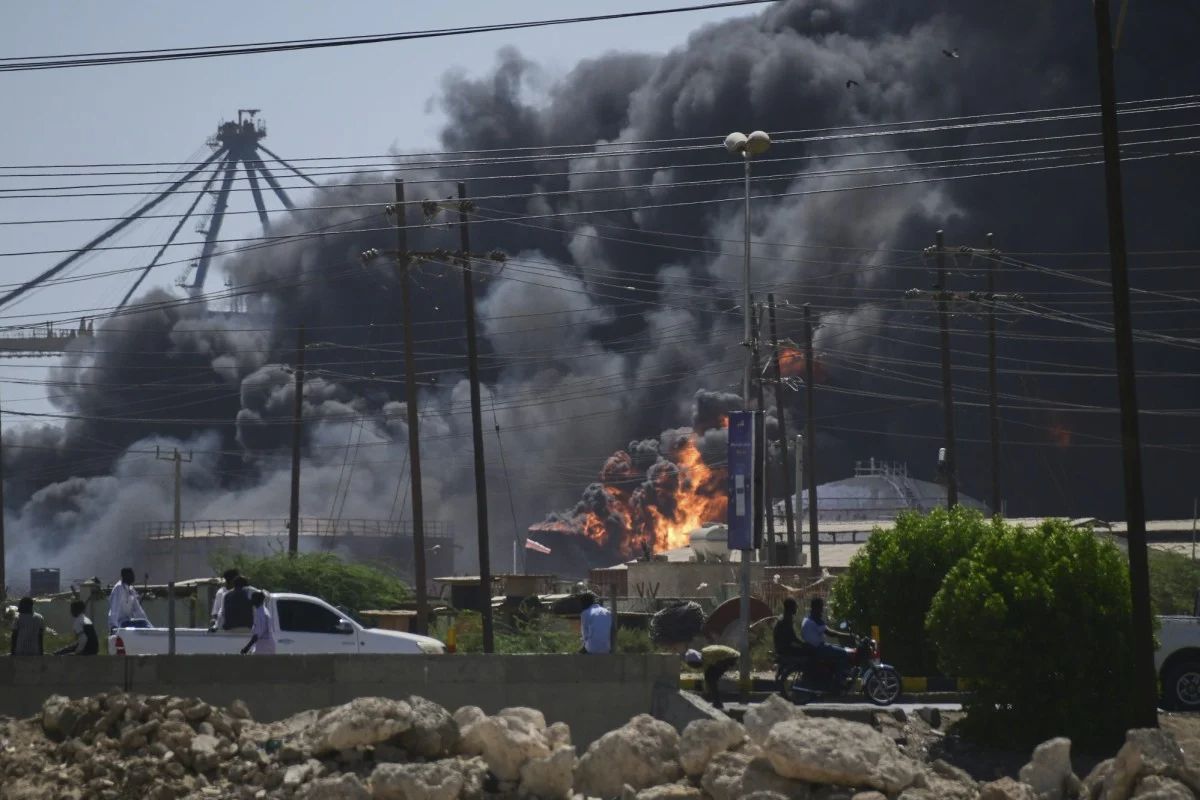
The United States has formally imposed sanctions on Sudan after concluding that the Sudanese government used chemical weapons during the country's devastating civil war, a move that marks a significant escalation in Washington's response to the conflict.
The sanctions, which took effect after a statutory review under U.S. law, target Sudan's access to U.S. government assistance, exports of sensitive technologies, and financial support from American institutions. U.S. officials said the measures were introduced in response to evidence indicating that Sudan's military employed chemical weapons during operations linked to the country's ongoing armed conflict.
The latest action adds to a growing list of international measures imposed on Sudan since fighting erupted in April 2023 between the Sudanese Armed Forces (SAF) and the Rapid Support Forces (RSF), a conflict that has triggered one of the world's worst humanitarian crises.
U.S. Cites Chemical Weapons Determination
According to the U.S. State Department, the sanctions were implemented after the U.S. government determined that Sudan violated international norms prohibiting the use of chemical weapons.
The determination was made under the Chemical and Biological Weapons Control and Warfare Elimination Act, which requires the U.S. government to impose sanctions on countries found to have used chemical or biological weapons in violation of international law.
Under the sanctions package, Sudan faces restrictions on U.S. foreign assistance, limitations on arms sales, tighter controls on exports of certain goods and technologies, and opposition by the United States to financial assistance from international institutions where applicable.
American officials said the measures are intended to hold those responsible accountable while reinforcing global efforts to prevent the use of weapons of mass destruction.
Sudan Rejects the Allegations
Sudanese authorities have denied accusations that government forces deployed chemical weapons during military operations.
Officials in Khartoum described the U.S. action as politically motivated and lacking credible evidence, insisting that Sudan remains committed to its international obligations.
The Sudanese government has repeatedly accused foreign governments of interfering in the country's internal affairs and has rejected similar allegations made during the conflict.
Despite the denials, the United States said it had reached its conclusion following a comprehensive review of available intelligence and other information.
Conflict Continues to Worsen
The sanctions come as Sudan's civil war enters another year with no immediate prospect of a negotiated settlement.
The conflict began in April 2023 following a power struggle between General Abdel Fattah al-Burhan, commander of the Sudanese Armed Forces, and General Mohamed Hamdan Dagalo, widely known as Hemedti, leader of the Rapid Support Forces.
Since then, fierce fighting has spread across much of the country, devastating major cities including Khartoum, El Fasher, and parts of the Darfur region.
The United Nations estimates that tens of thousands of people have been killed, while millions have been displaced internally or forced to flee to neighbouring countries.
Humanitarian agencies have warned that Sudan is facing one of the largest displacement and hunger crises in the world.
International Community Raises Alarm
The allegation of chemical weapons use has heightened international concern over the conduct of the war.
Chemical weapons are prohibited under the Chemical Weapons Convention (CWC), an international treaty that bans the development, production, stockpiling and use of such weapons.
Although Sudan is not among the world's known chemical weapons powers, any confirmed use of prohibited agents would represent a serious breach of international law and could prompt additional diplomatic and legal consequences.
The Organisation for the Prohibition of Chemical Weapons (OPCW) has consistently condemned the use of chemical weapons anywhere in the world, describing such acts as unacceptable under any circumstances.
Humanitarian Crisis Deepens
The war has devastated Sudan's economy and crippled access to healthcare, education and essential public services.
Entire communities have been cut off from humanitarian aid because of ongoing fighting, while hospitals and critical infrastructure have suffered repeated attacks.
The United Nations has warned that millions of Sudanese are experiencing severe food insecurity, with famine conditions reported in parts of the country.
Aid organisations continue to appeal for greater international funding and improved humanitarian access to reach civilians trapped by the conflict.
Analysts fear that continued fighting, combined with new sanctions and diplomatic isolation, could further complicate efforts to stabilise the country unless a political solution is achieved.
Washington Calls for Accountability
The United States reiterated its support for diplomatic initiatives aimed at ending the conflict while emphasising that violations of international law must not go unpunished.
U.S. officials urged all parties in Sudan to cease hostilities, protect civilians, and allow unrestricted humanitarian access.
Washington also reaffirmed its commitment to working with regional and international partners to promote peace and accountability in Sudan.
The sanctions are expected to remain in place until the U.S. government determines that the conditions required under American law have been met.
Pressure Mounts for Peace
The latest U.S. sanctions underscore the growing international frustration over Sudan's deteriorating security and humanitarian situation.
With millions displaced, widespread reports of human rights abuses, and allegations involving prohibited weapons, pressure continues to mount on both the Sudanese Armed Forces and the Rapid Support Forces to return to meaningful peace negotiations.
For the international community, the sanctions serve not only as a punitive measure but also as a warning that violations of international humanitarian law will continue to attract global scrutiny.
As diplomatic efforts continue, Sudan remains at the center of one of the world's most urgent humanitarian and security crises, with hopes that sustained international engagement can eventually pave the way for peace and accountability. (REUTERS)