US Hits Dozens of Countries with New Wave of Tariffs, Escalating Global Trade Tensions
The United States has imposed a fresh round of tariffs on imports from 60 countries, citing concerns over forced labour and unfair trade practices. The move has sparked criticism from trading partners and raised fears of a new wave of global trade disputes.
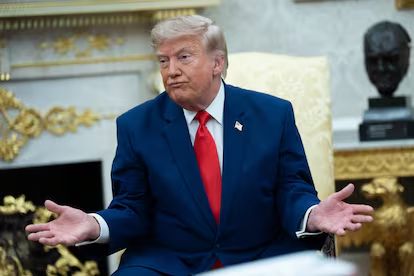
The United States has unveiled a sweeping new package of tariffs targeting imports from 60 countries, marking the latest escalation in President Donald Trump's trade agenda and triggering fresh concerns about global economic stability and international trade relations.
The new measures, announced by the Trump administration, impose tariffs ranging from 10% to 12.5% on goods imported from dozens of U.S. trading partners. Officials said the action is aimed at pressuring countries to strengthen enforcement against forced labour in global supply chains and address what Washington considers unfair trade practices. (AP News)
The tariffs take effect immediately following the expiration of the temporary global duties introduced earlier this year, replacing them with a more targeted trade regime under Section 301 of the U.S. Trade Act of 1974. (Reuters)
New Tariffs Target 60 Trading Partners
According to the U.S. administration, the latest tariffs affect approximately 99% of U.S. imports from the targeted countries.
Among those affected are major trading partners including the European Union, China, Brazil, Chile, Russia, and several countries in Asia, Africa and Latin America.
Countries that Washington believes have made greater progress in combating forced labour, including Canada, India, Mexico, and the United Kingdom, will generally face the baseline 10% tariff, while others face rates as high as 12.5%, depending on the administration's assessment. Certain products, including oil, natural gas, fertilisers and some goods covered by the United States-Mexico-Canada Agreement (USMCA), remain exempt.
White House Cites Forced Labour Concerns
Administration officials said the tariffs are designed to encourage governments to strengthen laws prohibiting forced labour and improve enforcement throughout international supply chains.
The White House argued that products made using forced labour undermine fair competition for American businesses while violating internationally recognised labour standards.
Officials also said the new policy forms part of a broader strategy to promote ethical trade practices while protecting domestic manufacturers from unfair competition.
Trade Representative Jamieson Greer said the United States would continue reviewing countries' compliance and adjust tariff levels if governments demonstrate meaningful progress in addressing forced labour concerns.
Global Reactions Emerge Quickly
The announcement drew swift reactions from governments across the world.
Several countries criticised the tariffs as unilateral measures that could disrupt international commerce and increase costs for exporters.
Brazil and Chile questioned the rationale behind the new duties, while European officials indicated they would study the legal basis for the measures before determining their response.
Trade analysts warned that the tariffs could prompt retaliatory actions if affected countries conclude that the measures violate World Trade Organization (WTO) principles.
Markets Assess Economic Impact
Financial markets reacted cautiously as investors evaluated the potential consequences of another expansion of U.S. trade restrictions.
Although economists noted that the new tariff rates are like those already in place under temporary measures, they cautioned that prolonged trade disputes could increase business uncertainty and place additional pressure on global supply chains.
Importers may also face higher costs, which could eventually be passed on to consumers through increased prices for imported goods.
Some economists, however, suggested that the relatively modest tariff increases may limit the immediate impact on inflation compared with previous rounds of trade restrictions. (Reuters)
Legal Background to the Tariffs
The latest tariffs follow significant legal developments surrounding the Trump administration's earlier trade policies.
Earlier this year, the U.S. Supreme Court ruled that certain tariffs imposed under the International Emergency Economic Powers Act (IEEPA) exceeded presidential authority.
Following that decision, the administration introduced a temporary universal tariff under Section 122 of the Trade Act before transitioning to the new Section 301 framework now being implemented.
Legal experts note that Section 301 provides broader authority to address unfair foreign trade practices, although future legal challenges remain possible.
Businesses Brace for Changes
American importers are closely monitoring the new rules to determine how the tariffs will affect procurement strategies and production costs.
Industries dependent on imported manufacturing components, electronics, textiles and consumer goods could experience increased costs if suppliers are unable to absorb the additional duties.
At the same time, some U.S. manufacturers welcomed the move, arguing that stronger enforcement against unfair trade practices would help create a more level playing field for domestic industries.
Business groups are expected to seek further clarification from customs authorities regarding product classifications and applicable exemptions.
Trade Policy Remains Central to Trump's Agenda
President Trump has consistently advocated the use of tariffs as a key economic policy tool.
Throughout both his first and second terms, he has argued that tariffs encourage domestic manufacturing, reduce dependence on imports and strengthen America's negotiating position in international trade.
Critics, however, contend that tariffs often increase costs for businesses and consumers while encouraging retaliatory measures from trading partners.
The latest announcement reinforces the administration's commitment to an assertive trade strategy ahead of upcoming political and economic debates.
International Negotiations Expected
Diplomatic discussions are expected to continue in the coming weeks as affected governments seek clarification and explore possible negotiations with Washington.
Some countries may pursue exemptions or attempt to demonstrate improved compliance with labour standards to qualify for lower tariff rates.
Others could challenge the measures through the World Trade Organisation or introduce reciprocal trade restrictions against U.S. exports.
Trade experts believe negotiations will be critical in determining whether the latest tariffs become a long-term feature of global commerce or serve primarily as leverage for broader trade agreements. (The Guardian)
Global Economy Watches Closely
The United States' latest tariff package underscores the increasingly complex intersection of trade, labor rights and geopolitics.
While the administration argues that the policy promotes ethical sourcing and protects American workers, many economists warn that expanding trade barriers could slow global economic growth if retaliatory actions escalate.
For businesses operating across international markets, the announcement introduces another layer of uncertainty as companies reassess sourcing strategies and supply chains.
As governments respond and negotiations unfold, the new tariffs are likely to remain a defining issue in global trade discussions, shaping economic relations between the United States and many of its key trading partners for months to come.