US Gas Prices Hit Highest Levels Since 2022
U.S. gas prices surge to their highest level since 2022 amid global tensions. This in-depth analysis explains the causes, economic impact, and implications for consumers and markets. Includes source links.
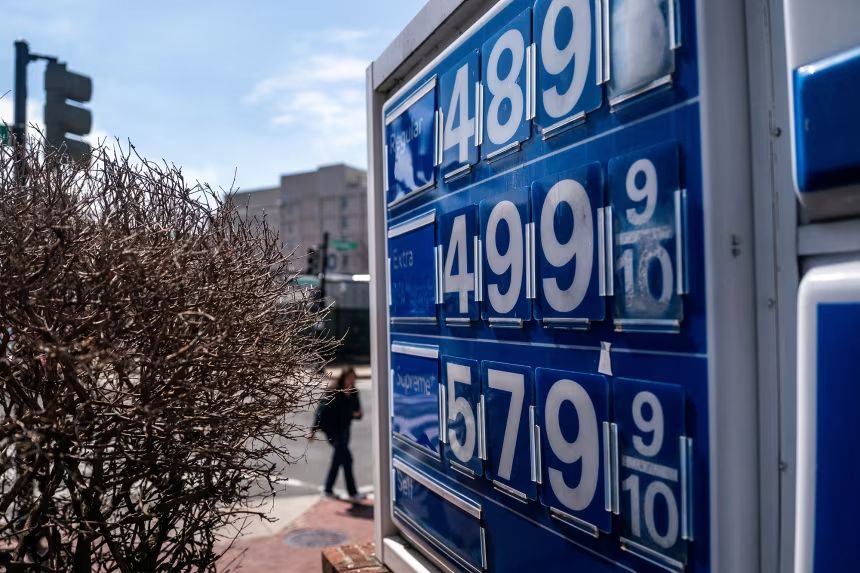
Gasoline prices across the United States have surged to their highest levels since 2022, signaling renewed pressure on households, businesses, and policymakers. The spike, driven largely by escalating geopolitical tensions in the Middle East and supply disruptions, is reviving fears of inflation and economic strain at a time when many Americans were only beginning to recover from previous price shocks.
For millions of consumers, the increase is not just a statistic - it is a daily financial reality, visible at fuel pumps, grocery stores, and in rising transportation costs across the country.
A Price Surge Driven by Global Instability
The recent rise in U.S. gas prices is closely tied to escalating tensions involving Iran and its expanding military activity across the Gulf. As attacks on oil infrastructure and shipping routes intensify, global crude supply has come under pressure, pushing prices upward.
Oil markets are highly sensitive to instability in the Gulf region, particularly around key transit points like the Strait of Hormuz. Even the threat of disruption is enough to trigger price spikes, as traders factor in the risk of reduced supply.
As crude oil prices rise, gasoline prices in the United States typically follow. Refining costs, distribution challenges, and seasonal demand patterns further amplify the increase, creating a ripple effect that reaches consumers within weeks.
Back to 2022 Levels - and the Fear of Worse
The current surge has pushed average gasoline prices to levels not seen since the energy crisis of 2022, when global supply disruptions - triggered in part by geopolitical conflict - sent fuel costs soaring.
For many Americans, that period was marked by record-high commuting costs, increased prices for goods and services, and a broader rise in inflation.
The return to similar price levels has raised concerns that the country could be heading into another cycle of economic pressure, particularly if the underlying causes persist.
What It Means for Everyday Americans
The most immediate impact of rising gas prices is felt by households. Fuel is a non-negotiable expense for most Americans, particularly in suburban and rural areas where driving is essential.
As prices climb, families are forced to make difficult choices. More money spent at the pump often means less available for groceries, healthcare, and other essentials. For lower-income households, the burden is especially acute, as fuel costs represent a larger share of their income.
Transportation costs also affect daily life in less obvious ways. Ride-sharing fares increase, delivery services become more expensive, and public transportation systems - many of which rely on fuel - may pass on higher costs to users.
Inflationary Pressure Returns
Rising gas prices are one of the most visible causes of inflation. When fuel prices rise, the cost of transporting goods increases, and businesses often pass those costs on to consumers.
This creates a chain reaction across the economy. Food prices rise as agricultural and logistics costs increase. Retail goods have become more expensive due to higher shipping expenses. Even services such as air travel and tourism are affected, as fuel is a major operational cost.
The concern among economists is that sustained high fuel prices could slow the progress made in controlling inflation over the past year. If energy costs remain elevated, central banks may face renewed pressure to tighten monetary policy, potentially affecting borrowing costs and economic growth.
Impact on Businesses and Supply Chains
Businesses across the United States are also feeling the strain. For industries that rely heavily on transportation, such as logistics, manufacturing, and retail, the increase in fuel costs can significantly reduce profit margins.
Small businesses are vulnerable. Unlike large corporations, they often lack the resources to absorb higher costs or negotiate better fuel rates. As a result, they may be forced to raise prices, cut expenses, or scale back operations.
Supply chains, already stressed by global disruptions, face additional challenges. Higher fuel costs increase the price of moving goods across the country, contributing to delays and inefficiencies. This, in turn, affects inventory levels and consumer availability.
Political and Policy Implications
The rise in gas prices also carries significant political implications. Fuel costs are one of the most visible indicators of economic performance, and they often influence public perception of government policy.
In Washington, policymakers are under pressure to respond. Potential measures include: releasing oil from strategic reserves, encouraging increased domestic production, and exploring temporary tax relief on fuel.
However, each of these options comes with trade-offs. Strategic reserves are finite, increased production takes time, and tax relief can reduce government revenue.
The situation also underscores the broader challenge of balancing energy security with environmental goals. While there is growing momentum toward renewable energy, the current crisis highlights the continued dependence on fossil fuels.
Global Ripple Effects
The impact of rising U.S. gas prices is not confined to American borders. As one of the world’s largest energy consumers, the United States plays a key role in global markets.
Higher fuel prices in the U.S. can influence global demand patterns, affect currency exchange rates, and contribute to inflation in other economies. Developing countries may face increased pressure as they struggle to afford higher energy costs.
At the same time, the situation highlights the interconnected nature of global energy systems. Events in the Middle East can have immediate and far-reaching consequences, underscoring the importance of stability in key producing regions.
Is Relief in Sight?
The trajectory of gas prices depends largely on geopolitical developments. If tensions in the Gulf region ease and supply stabilizes, prices could begin to decline. However, if the conflict escalates - particularly with the possibility of a broader war, the upward pressure on prices is likely to continue.
Seasonal factors may also play a role. Demand typically increases during the summer months, which could further push prices higher in the near term.
For now, uncertainty remains the dominant theme. Markets are reacting not only to current conditions but also to the potential for future disruption.
Conclusion: A Renewed Energy Challenge
The surge in U.S. gas prices to their highest levels since 2022 is a stark reminder of the fragility of global energy systems. It highlights how quickly geopolitical tensions can translate into economic consequences, affecting millions of people in their daily lives.
For American consumers, the impact is immediate and tangible. For policymakers, it presents a complex challenge requiring both short-term responses and long-term strategy.
Ultimately, the current situation underscores a broader reality: in an interconnected world, energy security, economic stability, and geopolitical dynamics are deeply intertwined. As events continue to unfold, the direction of gas prices will serve as both a barometer of global tension and a determinant of economic well-being.