US Expands Sanctions Targeting Iran’s Oil and Cryptocurrency Sectors Amid Pressure Campaign
The United States has announced expanded sanctions targeting Iran’s oil exports and cryptocurrency networks, aiming to curb Tehran’s revenue streams and disrupt efforts to evade international sanctions.
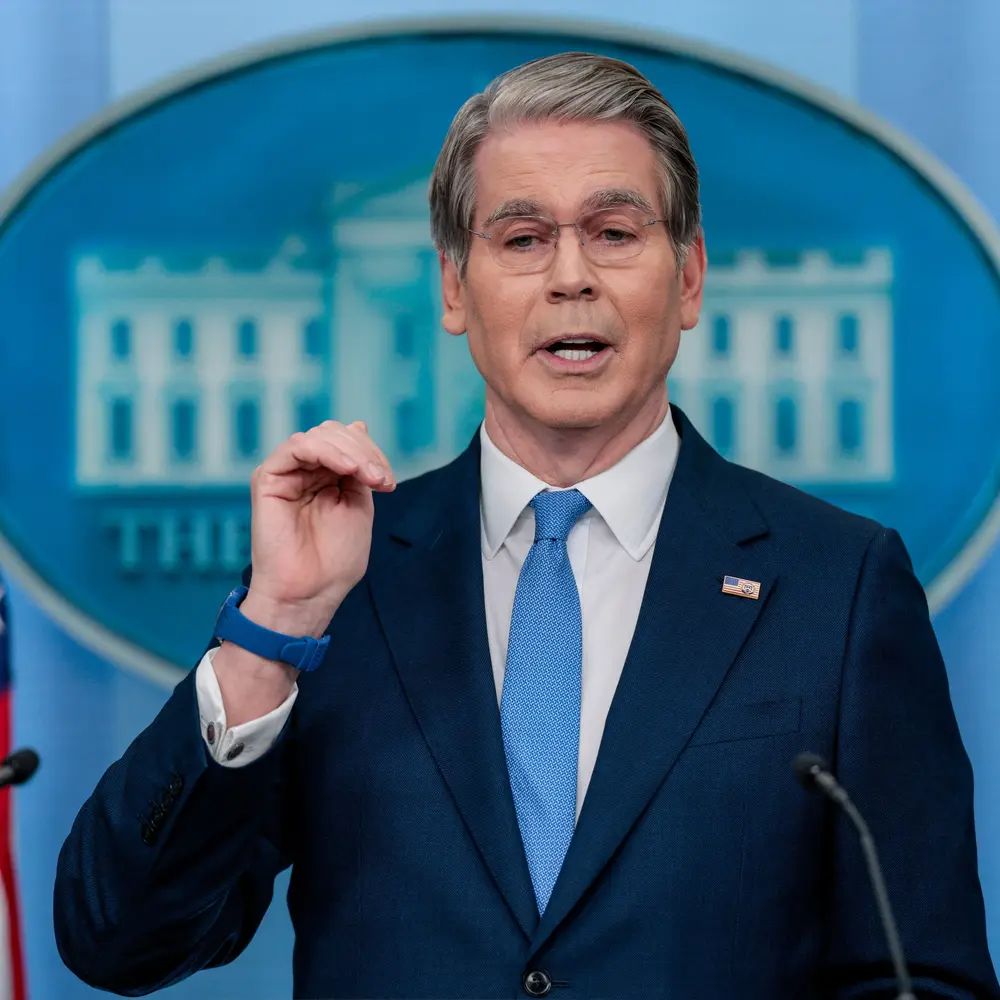
The United States has unveiled a fresh round of sanctions targeting Iran’s oil and cryptocurrency sectors, intensifying efforts to limit Tehran’s access to international financial markets and reduce revenues believed to support its military and regional activities.
The measures, announced by the U.S. Department of the Treasury’s Office of Foreign Assets Control (OFAC), are aimed at individuals, companies, vessels and financial networks accused of facilitating Iranian oil exports and helping the country bypass existing sanctions through cryptocurrency transactions.
The latest action comes amid heightened tensions in the Middle East and follows Washington’s repeated commitment to tighten economic pressure on Iran over its nuclear program, ballistic missile development and support for armed groups operating across the region.
U.S. officials said the sanctions are designed to disrupt the financial infrastructure that enables Iran to generate billions of dollars through crude oil sales and digital asset transactions despite longstanding international restrictions.
New Measures Target Oil Export Networks
According to the U.S. Treasury, the expanded sanctions focus on companies and intermediaries allegedly involved in transporting, marketing and selling Iranian crude oil to international buyers.
Officials claim these networks have used complex shipping arrangements, shell companies and ship-to-ship transfers to conceal the origin of Iranian oil and avoid detection.
Several vessels accused of participating in the transportation of sanctioned petroleum products have also been designated under the new measures.
The Treasury Department stated that the sanctions are intended to reduce the revenue available to Iran by making it more difficult for entities to conduct transactions linked to its oil industry.
Washington maintains that Iran continues to rely heavily on oil exports as one of its principal sources of foreign exchange earnings despite years of economic sanctions.
Cryptocurrency Networks Under Scrutiny
In addition to the energy sector, the United States has expanded restrictions on cryptocurrency platforms and financial facilitators allegedly used to move funds connected to Iran.
Officials say digital assets have increasingly become an alternative mechanism for conducting cross-border transactions outside the traditional banking system.
The Treasury accused several entities of helping sanctioned individuals convert digital currencies into cash or use cryptocurrency to finance commercial activities that violate U.S. sanctions.
Authorities argue that virtual asset service providers must implement stronger anti-money laundering controls and customer verification procedures to prevent misuse of digital financial systems.
Experts note that cryptocurrencies have become an important area of focus for regulators worldwide because of concerns about sanctions evasion, cybercrime and illicit financial flows.
Washington Reaffirms Maximum Economic Pressure
Senior U.S. officials said the latest sanctions demonstrate Washington’s determination to deny Iran access to financial resources that could be used to fund activities viewed as destabilising.
The administration emphasized that enforcement efforts would continue against individuals and organisations found assisting sanctioned Iranian entities.
The Treasury Department also warned international businesses and financial institutions to conduct enhanced due diligence when dealing with transactions that may involve Iranian interests.
Officials said companies violating U.S. sanctions could face significant financial penalties or restrictions on access to the American financial system.
Iran Condemns the New Sanctions
Iranian authorities have repeatedly criticised U.S. sanctions, describing them as unlawful and ineffective.
Tehran argues that the restrictions unfairly target its economy and ordinary citizens while violating international legal principles.
Iranian officials have consistently maintained that the country's nuclear activities are peaceful and have accused Washington of using economic pressure for political purposes.
In response to previous sanctions, Tehran has sought to strengthen trade relations with regional partners, expand non-oil exports and develop alternative payment mechanisms outside the U.S.-dominated financial system.
Iran has also increased cooperation with countries willing to continue commercial engagement despite Western sanctions.
Impact on Global Oil Markets
Energy analysts say the immediate effect of the latest sanctions on global oil prices may be limited, depending on how effectively they are enforced.
Global crude markets have previously adapted to sanctions through adjustments in supply from other producing nations.
However, tighter restrictions on Iranian exports could influence market sentiment, particularly if geopolitical tensions in the Middle East continue to escalate.
Shipping companies, insurers and commodity traders are expected to review compliance procedures carefully to avoid exposure to sanctioned transactions.
Market participants will also monitor whether additional enforcement actions affect the availability of crude supplies in international markets.
Growing Focus on Digital Financial Enforcement
The inclusion of cryptocurrency networks reflects a broader trend among governments seeking to regulate digital financial systems more aggressively.
Authorities in several countries have introduced stricter compliance requirements for cryptocurrency exchanges and blockchain service providers to combat illicit finance.
Financial crime specialists note that while blockchain technology offers transparency, sophisticated actors continue to develop methods for obscuring transaction trails through decentralised platforms and intermediary services.
The latest U.S. sanctions underscore Washington’s intention to extend enforcement efforts beyond conventional banking systems into emerging digital financial technologies.
International Response
The sanctions are expected to attract close attention from U.S. allies and international financial institutions.
Some countries have supported Washington’s efforts to limit Iran’s access to global financial markets, while others continue advocating diplomatic engagement and negotiated solutions.
Businesses operating internationally are likely to reassess supply chains, contractual relationships and financial exposure to ensure compliance with the expanded sanctions framework.
Legal experts advise multinational companies to strengthen sanctions screening procedures and remain updated on evolving regulatory requirements.
Looking Ahead
The expanded sanctions represent another chapter in the long-running economic confrontation between the United States and Iran.
While Washington believes tighter financial restrictions will increase pressure on Tehran to modify its policies, Iranian leaders insist they will continue pursuing strategies to mitigate the economic impact.
The effectiveness of the new measures will depend largely on international cooperation, enforcement efforts and the ability of sanctioned networks to adapt.
As geopolitical tensions persist, the oil market, financial institutions and cryptocurrency industry will remain under scrutiny, with policymakers watching to see whether the latest sanctions achieve their intended objectives or further complicate diplomatic efforts to stabilise the region. (REUTERS)