US Court Orders White House to Readmit CNN, MS NOW and Politico After Trump Ban
A US federal judge has ordered the White House to restore access for CNN, MS NOW and Politico after President Trump banned the media outlets from the White House.
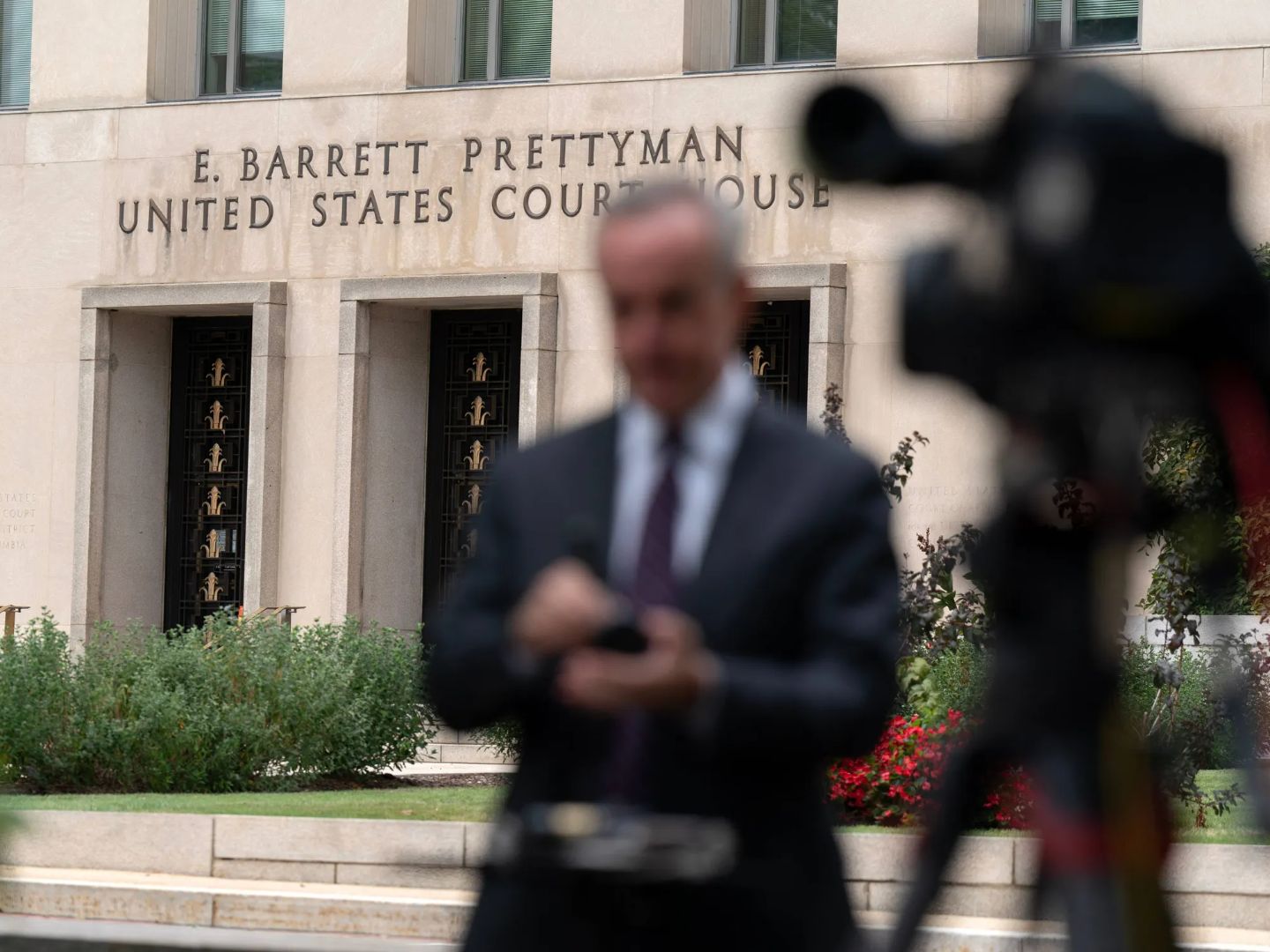
A United States federal judge has ordered the White House to restore access for CNN, MS NOW and Politico, temporarily blocking President Donald Trump’s decision to ban the three news organisations from the White House grounds.
The ruling by U.S. District Judge Timothy Kelly came after the three media organisations challenged the administration’s decision in court, arguing that their exclusion violated constitutional protections for freedom of the press and due process.
Judge Kelly ordered the Trump administration to “immediately return, reinstate, and restore” the outlets’ access and temporarily prohibited officials from enforcing the ban for 14 days while the legal challenge continues. (Reuters)
The ruling represents the latest development in an increasingly contentious dispute between the Trump administration and several major American news organisations over access to the White House and the limits of presidential authority over the press.
Trump Administration Banned Three Media Outlets
The dispute began on September 18, 2026, when Trump announced that CNN, MS NOW and Politico would be barred from the White House.
The president accused the outlets of producing what he described as “fake news” and objected to what he regarded as negative or inaccurate coverage of his administration.
The following day, reporters working for the three organisations were denied entry to the White House after their press credentials were deactivated.
The outlets subsequently filed a lawsuit against Trump and members of his administration, arguing that the decision amounted to retaliation for their reporting and violated the First Amendment, which protects freedom of speech and freedom of the press. They also argued that their rights to due process under the Fifth Amendment had been violated. (AP News)
Judge Questions White House Justification
During proceedings, the administration argued that the president has broad authority to determine which journalists receive access to the White House.
Government lawyers later argued that the ban was connected to national security concerns.
Judge Kelly, however, found that the administration's record did not provide sufficient factual support for the claim that allowing the three organisations back into the White House would create a national security threat.
The judge also noted that Trump's initial explanation for the ban focused on what he considered inaccurate and negative reporting rather than national security.
Reuters reported that Kelly said the record did not support the administration's assertion that the revocation of the outlets' press passes would protect national security.
Due Process Became Central to the Case
A major element of the ruling concerned the process used by the White House to revoke the journalists' hard passes.
The three media organisations argued that they were not given adequate advance notice or a meaningful opportunity to challenge the decision before their access was terminated.
Judge Kelly agreed that they had a strong argument concerning due process.
The judge referred to previous decisions concerning White House press access and said the administration had not followed the procedures required before journalists could have their credentials revoked.
According to Reuters, Kelly observed that existing legal precedents required journalists to receive due process before their White House press passes could be suspended or revoked. (KSL News)
The court's decision, however, is an interim order rather than a final ruling on the entire lawsuit.
The 14-day temporary restriction on enforcement gives the court time to consider the broader constitutional questions raised by the case.
White House Initially Failed to Immediately Restore Access
Despite the court's order, reporters from the affected organisations said they were initially still prevented from entering the White House grounds.
The temporary standoff created several hours of uncertainty as the media organisations sought clarification from the court.
CNN, MS NOW and Politico requested an immediate hearing to address the administration's apparent failure to implement the ruling.
The White House subsequently restored the journalists' access later on Thursday.
The reinstatement was confirmed by the White House and reported by multiple international news organisations. (The Japan Times)
The episode added another dimension to the dispute, with the media organisations arguing that immediate compliance with the judicial order was necessary.
Other Media Organisations Supported the Lawsuit
The dispute has attracted broader support from other news organisations and press freedom groups.
The Associated Press and Reuters were among media organisations that supported the three outlets through a legal filing.
The action also affected the wider White House press pool. The U.S. television network press pool, which includes CNN, suspended coverage of Trump's events in response to the exclusion of the affected outlets. (Al Jazeera)
The disagreement therefore extended beyond the three organisations directly involved in the lawsuit, raising wider questions about how White House access should be managed and whether government officials can restrict journalists because of disagreements over their reporting.
Previous Legal Fight Over Associated Press
The latest dispute is not the first time the Trump administration has faced litigation over media access.
In 2025, the administration restricted Associated Press access after the news agency continued using the name “Gulf of Mexico” rather than Trump's preferred “Gulf of America.”
A federal appeals court later ruled that Trump likely had authority to exclude the AP from certain limited-access spaces, including the Oval Office, but not from White House press facilities generally. The case remained subject to further legal proceedings.
That earlier dispute has become relevant to the current case because it established a legal backdrop concerning presidential control over limited-access spaces and the government's treatment of journalists.
What the Ruling Means
The latest order does not permanently settle whether the Trump administration can exclude CNN, MS NOW or Politico from the White House.
Instead, it temporarily restores their access while the constitutional challenge proceeds.
The court must still consider the broader arguments concerning presidential authority, First Amendment protections and the procedures government officials must follow when revoking press credentials.
For the media organisations, the case is about whether government officials can punish or exclude journalists because they object to their reporting.
For the administration, the dispute concerns presidential authority over access to a highly controlled government facility and its ability to determine which journalists receive credentials.
The competing arguments will now continue through the courts.
Press Freedom Debate Intensifies
The case has intensified a wider American debate over the relationship between the presidency and the news media.
White House access is not an unrestricted right, and presidents have historically exercised discretion over access to areas with limited capacity, such as the Oval Office and Air Force One.
However, the courts have also considered whether government officials may discriminate against journalists based on the viewpoint or content of their reporting.
Reuters reported that legal experts had questioned the legality of Trump's ban because government restrictions on press access can raise constitutional concerns when they are based on disagreement with a media organisation's viewpoint.
The latest ruling therefore has significance beyond CNN, MS NOW and Politico.
As the legal battle continues, the courts will ultimately determine the boundaries between presidential control over White House access, journalists' constitutional protections and the public's interest in independent reporting from the seat of the U.S. government.