US-China High-Stakes Meeting Could Redefine Global Power Balance Amid Escalating Tariff War
A crucial meeting between the United States and China is being viewed as a turning point in the escalating tariff-driven standoff between the world’s two largest economies. The outcome could reshape global trade, diplomacy, supply chains, and the balance of geopolitical power.
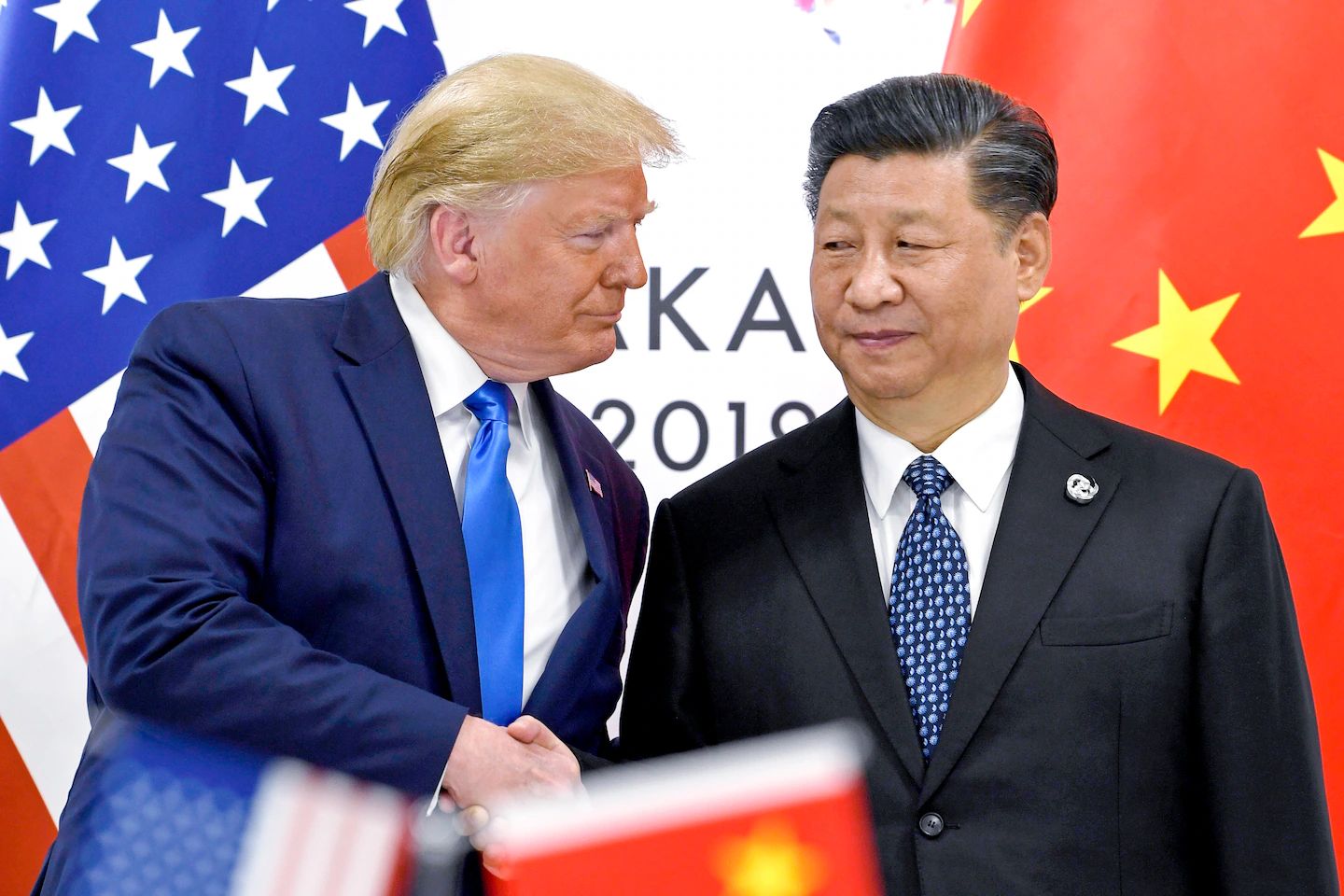
The world’s attention has turned toward a critical diplomatic and economic meeting between the United States and China, widely seen by analysts as one of the most consequential engagements in recent years between the two global superpowers.
At the center of the discussions is a deepening tariff-fueled confrontation that has strained global trade, disrupted supply chains, rattled financial markets, and intensified the broader geopolitical rivalry between Washington and Beijing.
The meeting, involving top trade officials and senior diplomats from both countries, comes at a time of rising economic anxiety worldwide. Investors, multinational corporations, and allied governments are closely monitoring the talks for signs of either de-escalation or a further hardening of positions.
For months, tensions between the two nations have continued escalating over tariffs, technology restrictions, industrial policy, semiconductor access, and accusations of unfair trade practices.
The latest negotiations are therefore viewed not merely as another trade meeting, but as a strategic contest capable of recalibrating the global balance of economic and political influence.
A Rivalry Beyond Trade
Although tariffs remain the immediate trigger for the meeting, the broader dispute between the United States and China extends far beyond import duties and market access.
The rivalry increasingly reflects a larger struggle over technological leadership, military influence, manufacturing dominance, and global diplomatic power.
Washington has accused Beijing of unfair industrial subsidies, intellectual property violations, currency manipulation, and strategic overcapacity in sectors such as steel, electric vehicles, batteries, and clean energy manufacturing.
China, meanwhile, has repeatedly criticized the United States for attempting to contain its rise through tariffs, export controls, sanctions, and restrictions targeting Chinese technology firms.
Beijing argues that Washington’s policies are designed not simply to protect American industries but to weaken China’s long-term economic competitiveness.
The meeting therefore, represents a rare opportunity for both sides to stabilize relations before tensions deepen further.
Tariff War’s Global Consequences
The economic impact of the tariff standoff has already spread far beyond the United States and China.
Global manufacturers have struggled with rising production costs, uncertain supply chains, and shifting trade patterns as companies attempt to reduce dependence on either side.
Several multinational firms have moved parts of their operations to countries such as Vietnam, India, Mexico, and Indonesia to diversify manufacturing risks.
At the same time, global inflation concerns have been worsened by higher shipping costs, technology restrictions, and disruptions involving critical raw materials.
Economists warn that continued escalation between the world’s two largest economies could slow global growth, reduce international investment confidence, and increase economic fragmentation.
Developing economies are particularly vulnerable because many rely heavily on stable trade relationships with both Washington and Beijing.
The outcome of the meeting may therefore influence not only bilateral relations but also the broader direction of the global economy.
Technology at the Heart of the Conflict
One of the most sensitive issues expected to dominate the discussions involves advanced technology and semiconductor access.
The United States has intensified restrictions aimed at limiting China’s access to cutting-edge artificial intelligence chips and advanced semiconductor manufacturing equipment.
American officials argue that such technologies carry national security implications and could strengthen China’s military capabilities.
China, however, views the restrictions as part of a wider strategy to slow its technological progress.
In response, Beijing has accelerated efforts to achieve self-sufficiency in semiconductors, artificial intelligence, quantum computing, and other strategic industries.
Analysts believe the technological dimension of rivalry may ultimately prove more important than tariffs themselves because it will shape future economic and military competitiveness.
Financial Markets Watching Closely
Global financial markets have reacted cautiously ahead of the meeting.
Investors are searching for indications that both countries may soften tariff measures or create mechanisms for reducing future disputes.
Any signs of compromise could boost stock markets, stabilize commodity prices, and improve business confidence internationally.
On the other hand, failure to achieve meaningful progress may trigger renewed volatility in global markets.
Oil prices, shipping industries, manufacturing sectors, and technology companies are all highly sensitive to developments in U.S.-China relations.
Currency markets are also closely monitoring the situation, especially amid concerns about trade-related economic slowdowns and capital movement restrictions.
The uncertainty reflects the enormous influence both countries hold over the international financial system.
Strategic Power Dynamics
Beyond economics, the meeting carries enormous geopolitical significance.
The United States remains the world’s leading military and financial power, while China continues expanding its economic reach through infrastructure investments, trade partnerships, and strategic alliances across Asia, Africa, Latin America, and the Middle East.
The competition between both nations increasingly shapes international diplomacy, defense alliances, and global governance institutions.
Countries around the world are being forced to carefully balance their relationships with Washington and Beijing, particularly as tensions grow over Taiwan, the South China Sea, cybersecurity, and emerging technologies.
Some analysts believe the meeting could determine whether the rivalry remains manageable through diplomacy or enters a more confrontational phase resembling a new Cold War.
The ability of both sides to maintain communication channels is therefore viewed as critically important.
Possibility of Limited Compromise
Despite the tensions, some experts believe limited areas of compromise remain possible.
Both economies face internal pressures that may encourage pragmatic engagement.
The United States continues dealing with inflation concerns and supply chain vulnerabilities, while China faces slowing growth, property market challenges, and weakening export demand.
Business leaders in both countries have also pushed for greater stability and predictability in trade relations.
As a result, analysts believe the talks could produce smaller agreements involving tariff adjustments, market access guarantees, agricultural trade, or crisis-management mechanisms.
However, most observers remain skeptical that the deeper strategic rivalry will disappear anytime soon.
What Does Going Forward Mean
The outcome of the meeting could shape global politics and economics for years to come.
If both sides achieve even modest progress, tensions may temporarily ease, helping stabilize markets and reduce fears of wider economic confrontation.
Such an outcome could also improve diplomatic cooperation on issues including climate change, global security, and financial stability.
However, if the talks collapse or lead to further escalation, the world could face intensified economic fragmentation, technological decoupling, and geopolitical polarization.
Many experts believe the global economy is already entering an era where countries may increasingly align themselves around competing economic and technological blocs led by either Washington or Beijing.
For developing nations, including many in Africa and Asia, the challenge will be to navigate this rivalry without becoming trapped between opposing powers.
Ultimately, the meeting represents more than a dispute over tariffs. It is a defining moment in the evolving struggle over who shapes the rules, institutions, and balance of power in the 21st-century global order.