US Announces Ceasefire Extension with Iran Amid Ongoing Middle East Tensions
The United States has extended its ceasefire with Iran, delaying military action and continuing diplomatic negotiations brokered by Pakistan as tensions escalate in the Strait of Hormuz and global energy markets remain unstable.
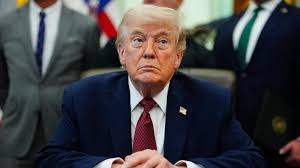
The United States has announced an extension of its ceasefire with Iran, temporarily halting planned military operations as diplomatic efforts continue to prevent a return to full-scale conflict in the Middle East.
The decision, confirmed by President Donald Trump, comes amid ongoing negotiations mediated by Pakistan and increasing instability in the Strait of Hormuz, a critical global energy shipping route.
According to official statements, the ceasefire extension is intended to allow more time for Iran and the United States to present a unified framework for peace talks aimed at ending a war that has already caused significant regional and global disruption.
Ceasefire Extension Announced at Critical Deadline
The extension was announced just hours before the existing two-week ceasefire was set to expire.
President Trump said the United States would “hold off on attacks” to allow Iranian leadership time to formulate a coordinated response to ongoing negotiations. (The Guardian)
The move reportedly followed a formal request from Pakistan, which has played a central mediating role in backchannel diplomacy between Washington and Tehran.
Under the extension, U.S. military operations remain paused, although officials confirmed that a naval blockade of Iranian ports will continue, maintaining pressure on Tehran during negotiations.
Pakistan’s Role as Key Mediator
Pakistan has emerged as a central diplomatic actor in the ongoing crisis, facilitating communication between the United States and Iran.
Islamabad has hosted early rounds of indirect talks and continues to push for a structured peace process.
Pakistani officials reportedly urged Washington to extend the ceasefire to prevent escalation and allow time for Iran’s fragmented political leadership to consolidate a negotiation position.
Prime Minister Shehbaz Sharif publicly thanked the U.S. for agreeing to the extension, expressing hope that both sides would continue working toward a “comprehensive peace agreement.”
Iran’s Response: Skepticism and Internal Division
Iranian officials have reacted cautiously, with some dismissing the extension as politically motivated and lacking formal agreement from Tehran.
State-linked media reports suggest that Iran did not request an extension and views the announcement as unilateral.
An adviser to Iran’s parliamentary leadership described the move as a “tactical delay,” suggesting Washington may be using the pause to regroup militarily rather than genuinely pursue peace.
Inside Iran, reports indicate deep divisions between hardliners and more moderate political factions over how to respond to U.S. demands and ongoing sanctions pressure.
Ceasefire Built on Fragile Foundations
The original ceasefire, broken just weeks earlier, was designed as a temporary pause in hostilities following intense exchanges of airstrikes and missile attacks.
It included provisions for:
- A halt to direct U.S. and Israeli strikes on Iran
- Conditional de-escalation of Iranian military responses
- Mediation-led peace talks hosted in Pakistan
- Discussions on reopening or securing maritime routes
However, the agreement has remained fragile, with both sides accusing each other of violations and escalating rhetoric.
Strait of Hormuz Remains a Flashpoint
One of the most sensitive elements of the ongoing crisis is the Strait of Hormuz, through which nearly one-fifth of global oil shipments pass.
Tensions in the region have already disrupted shipping routes and driven volatility in global energy markets.
Recent reports indicate continued naval activity and restrictions in the area, with Iran maintaining pressure on commercial shipping while U.S.-led forces enforce maritime security operations. (The Washington Post)
Analysts warn that any escalation in the Strait could rapidly trigger global oil price spikes and broaden economic instability.
Military Posture Remains Despite Ceasefire
Although the ceasefire has been extended, both sides remain on high alert.
The United States has maintained its naval presence in the region and continues its blockade of Iranian ports, which officials describe as a pressure mechanism to enforce compliance in negotiations.
President Trump has also signaled that military action could resume if talks fail to produce meaningful progress, underscoring the conditional nature of the truce.
Iran, meanwhile, has warned that it will respond if it perceives continued “economic or military aggression,” raising concerns that the ceasefire could collapse with little warning.
Diplomatic Efforts Under Pressure
Negotiations are currently centered on several key issues:
- Future limits on Iran’s nuclear programme
- Lifting or easing of U.S. sanctions
- Security guarantees in the Gulf region
- Freedom of navigation in strategic waterways
Pakistan continues to facilitate discussions, but progress remains slow due to deep mistrust between the parties.
Reports suggest that Iran has been asked to present a unified negotiating position before further talks proceed, a task complicated by internal political fragmentation. (BusinessWorld Online)
Global Economic Impact Intensifies
The conflict has already had significant consequences for the global economy.
Energy markets have been particularly affected, with oil prices rising sharply due to supply uncertainty and shipping disruptions in the Middle East.
Key impacts include:
- Higher global fuel prices
- Increased shipping insurance costs
- Volatility in stock markets tied to energy sectors
- Supply chain delays for imported goods
Economists warn that prolonged instability in the region could deepen inflationary pressures worldwide.
International Reaction and Concerns
Global leaders have largely welcomed the ceasefire extension, viewing it as a temporary but necessary step to prevent escalation.
However, many remain cautious about its durability.
Diplomatic observers note that previous ceasefire arrangements have collapsed quickly due to mistrust and competing military actions.
The United Nations has called for sustained negotiations and urged both sides to avoid actions that could reignite full-scale conflict.
What Happens Next?
The extension does not represent a permanent resolution, but rather a continuation of a fragile diplomatic pause.
Key developments to watch include:
- Whether Iran submits a unified proposal for talks
- Whether the U.S. adjusts its blockade strategy
- Progress in Pakistan-mediated negotiations
- Stability in the Strait of Hormuz
Officials on both sides have signaled openness to further dialogue but also warned that failure could quickly return the region to open conflict.
Conclusion
The U.S. decision to extend the ceasefire with Iran reflects a cautious attempt to balance diplomacy with military pressure in one of the world’s most volatile geopolitical crises.
While the move temporarily delays escalation, the underlying tensions remain unresolved, and the situation continues to hinge on fragile negotiations, regional power dynamics, and global economic stakes.
As mediators push for a breakthrough, the world watches closely aware that the next diplomatic shift could determine whether the region moves toward peace or renewed conflict.