US and Iran Exchange Fresh Strikes in Persian Gulf as Regional Tensions Threaten Wider Conflict
The United States and Iran have exchanged new military strikes in the Persian Gulf, intensifying fears of a broader regional conflict. The latest attacks targeted military installations and maritime assets, prompting international calls for restraint and renewed diplomatic efforts.
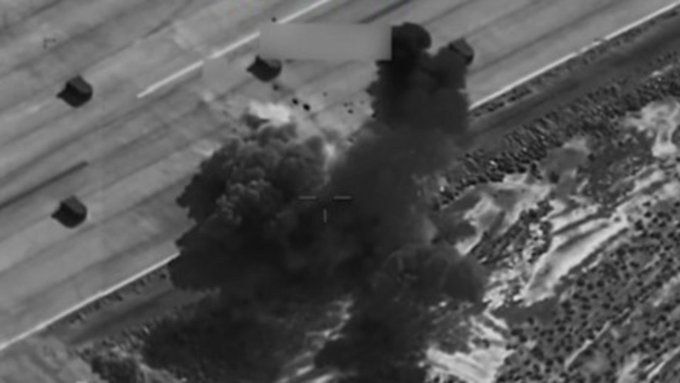
The United States and Iran have exchanged another round of military strikes in and around the Persian Gulf, dramatically escalating tensions in one of the world's most strategically important waterways and heightening fears that the confrontation could spiral into a wider regional conflict.
The latest hostilities come amid an already volatile security environment in the Middle East, with both Washington and Tehran accusing each other of aggression while insisting they are acting in self-defence. The renewed exchange of fire has prompted urgent international appeals for de-escalation as concerns mount over global energy supplies, maritime security and regional stability.
According to U.S. and regional officials, American forces carried out precision strikes against Iranian military infrastructure after what Washington described as coordinated attacks by Iranian-backed forces targeting U.S. personnel and naval assets in the Gulf. Iran, however, said its military actions were a legitimate response to what it called repeated violations of its sovereignty by the United States.
Fresh Military Strikes Raise Alarm
The latest exchange involved missile and drone strikes against military facilities linked to both sides.
U.S. Central Command (CENTCOM) said American forces targeted missile launch sites, radar installations and logistics facilities believed to be supporting attacks against U.S. troops and commercial shipping operating in the Gulf.
Iranian state media reported that the country's armed forces responded by launching missiles and armed drones toward what they described as U.S. military positions and support facilities in the region.
Neither side immediately released comprehensive casualty figures, although military officials indicated that damage assessments were ongoing.
Shipping Lanes Under Increased Threat
The renewed confrontation has intensified concerns over security in the Strait of Hormuz, the narrow maritime passage through which roughly one-fifth of the world's oil supply passes.
Several commercial shipping companies announced temporary adjustments to shipping routes while maritime insurers warned of rising operational risks in the Gulf.
International naval forces operating in the region increased surveillance and escort operations to protect commercial vessels from possible attacks.
Energy analysts cautioned that any prolonged disruption in Gulf shipping could affect global oil prices and international supply chains, particularly if attacks expand to commercial infrastructure.
Washington Defends Military Action
The White House said the strikes were intended to protect American personnel and preserve freedom of navigation in international waters.
A senior U.S. defence official stated that Washington does not seek a broader war with Iran but will respond decisively to attacks against U.S. forces and allies.
The Pentagon emphasised that the operations were "limited, proportionate and defensive" while reaffirming America's commitment to maintaining regional stability.
President Donald Trump also warned that further attacks on U.S. personnel would trigger additional military responses.
Iran Vows Continued Resistance
Iranian officials strongly condemned the American strikes, accusing Washington of violating international law and destabilising the region.
The Iranian Foreign Ministry insisted that the country's military would continue defending its sovereignty against what it described as foreign aggression.
Senior commanders of the Islamic Revolutionary Guard Corps (IRGC) warned that any future attacks would receive "firm and decisive" responses.
Tehran also rejected U.S. allegations that it was deliberately targeting international shipping, arguing that its actions were directed solely at military objectives.
International Community Calls for Restraint
Governments around the world have expressed growing concern over the escalating confrontation.
The United Nations urged both countries to exercise maximum restraint and return to diplomatic engagement to prevent further violence.
European Union leaders similarly appealed for immediate de-escalation, warning that continued military exchanges could destabilise the wider Middle East and threaten global economic recovery.
China and Russia also called for dialogue while emphasising the importance of maintaining security in international shipping lanes.
Diplomatic sources indicated that several regional governments were quietly exploring mediation efforts to reduce tensions.
Oil Markets React
Global financial markets responded cautiously to the latest developments.
International benchmark crude oil prices rose as traders evaluated the possibility of supply disruptions resulting from increased military activity in the Gulf.
Shipping companies also reported higher insurance premiums for vessels transiting the region.
Economists noted that while markets have become accustomed to periodic tensions in the Middle East, sustained military exchanges between the United States and Iran would likely produce more significant economic consequences.
Regional Security on Edge
Neighbouring Gulf states have placed security forces on heightened alert amid fears that the conflict could spread beyond current military targets.
Several countries have reinforced air defence systems and increased patrols around critical energy infrastructure.
Military analysts say the presence of multiple armed actors in the region, including U.S. forces, Iranian military units and allied militias, creates a heightened risk of accidental escalation.
Even limited miscalculations could rapidly expand into a broader regional confrontation involving additional countries.
Diplomatic Channels Remain Open
Despite the military exchanges, diplomatic contacts between intermediaries and both governments reportedly remain active.
Officials familiar with the discussions said several countries are attempting to facilitate indirect communication aimed at preventing further escalation.
Analysts believe maintaining open diplomatic channels will be essential to avoid prolonged military confrontation.
Previous crises between Washington and Tehran have demonstrated that even during periods of intense hostility, back-channel diplomacy can help reduce the risk of wider conflict.
Humanitarian Concerns Grow
International humanitarian organisations warned that continued military escalation could have serious consequences for civilians throughout the region.
Aid agencies expressed concern about the potential displacement of populations, disruption of commercial trade and reduced access to essential supplies should the conflict intensify.
Organisations also emphasised the importance of protecting civilian infrastructure in accordance with international humanitarian law.
Outlook Remains Uncertain
The latest exchange of strikes underscores the fragile state of security in the Persian Gulf.
While both Washington and Tehran insist they do not seek a full-scale war, their continued military responses have increased fears that the confrontation could spiral beyond either side's intentions.
For global markets, energy producers and regional governments, the coming days may prove critical in determining whether diplomacy can contain the crisis or whether further retaliation will push the Middle East toward an even more dangerous phase of instability.
As military forces remain on high alert and diplomatic efforts continue behind the scenes, the world is watching closely, aware that developments in the Gulf have the potential to affect not only regional security but also the global economy and international peace. (Reuters)